






Traveling in Europe during winter remains a popular choice as cities evolve their transportation and cultural offerings to fit the shorter days. This article explores why Prague, Vienna, Copenhagen, Barcelona, and Reykjavik are ideal destinations despite the seasonal weather.
3 Min Read


1 / 6
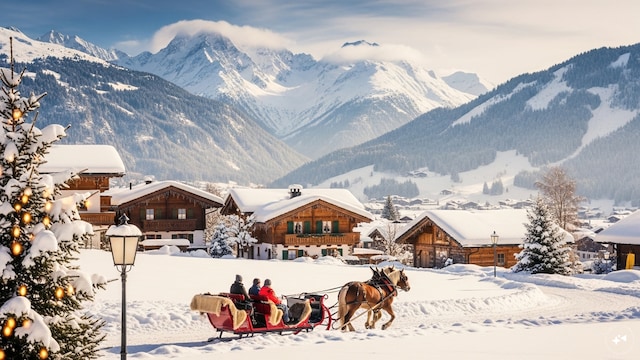
Winter City Guide: Winter travel in Europe presents fewer crowds, seasonal transport discounts, and a landscape marked by snow or chilly rain. Cities enhance their offerings with museums, dependable transit, and indoor activities. Markets, festivals, and lighting displays continue to promote tourism. Shorter days may alter schedules but not access. This overview emphasizes five cities where winter conditions allow for effective visits, cultural experiences, and clear advantages for travelers from around the globe. (Generated image)
2 / 6
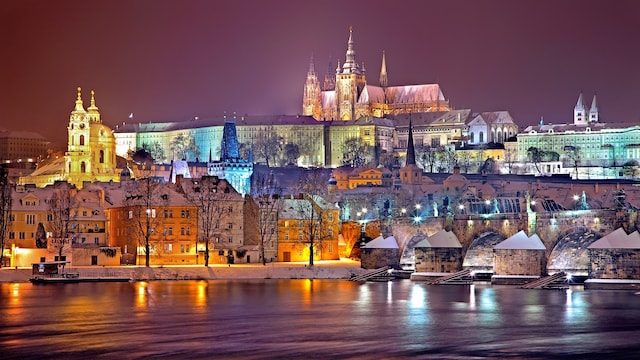
Prague Winter: Prague is easily navigable in winter, thanks to its compact layout and reliable public transport. Snow briefly affects streets. Historic attractions welcome visitors year-round, with castle complexes, bridges, and old town squares drawing crowds. Seasonal concerts are also ongoing. Accommodation prices often decrease post-holiday. Daylight hours lend themselves well to sightseeing. Train services connect neighboring countries without interruptions from central stations throughout the winter months. (Source: Pixabay)
3 / 6
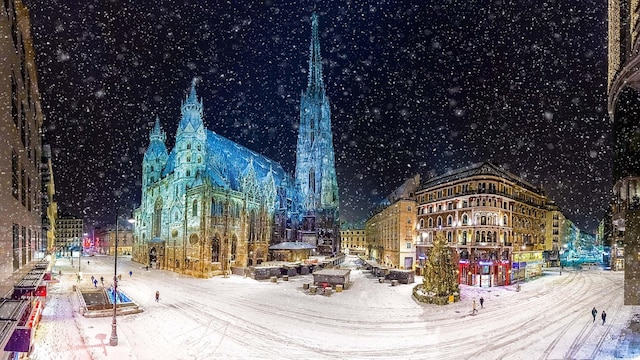
Vienna Access: Vienna ensures winter tourism with reliable public transport and a vibrant cultural scene. The schedule for opera houses, museums, and palaces remains consistent. Christmas markets close early January, but cafes open daily. Snow seldom disrupts services. Hotel prices decrease during the mid-season. The city enhances walking pathways with proper lighting and snow removal. International train services normally function across borders, connecting Austria with regional hubs during winter travel peaks. (Source: Pixabay)
4 / 6
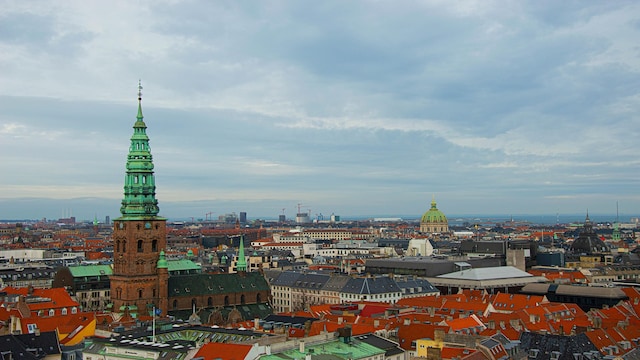
Copenhagen Winter: Copenhagen remains operational during winter as its infrastructure accommodates the dark and cold conditions. Both metro and bus services frequently run, although cycling decreases. Museums, design centers, and restaurants stay open, and harbor areas remain accessible. Indoor winter events are prioritized. Prices generally drop after December. Visitors benefit from the short distances among neighborhoods. Flights largely operate with minimal disruption despite the seasonal weather affecting local daylight hours. (Source: Pixabay)
5 / 6
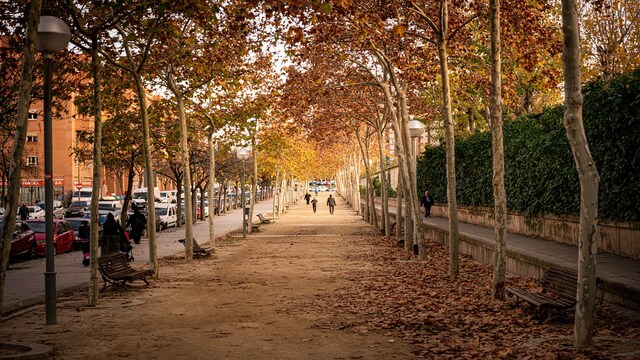
Barcelona Winter: Barcelona enjoys milder winter weather compared to its northern counterparts. Temperatures lend themselves to outdoor activities, and public transport is fully operational. Key attractions maintain regular hours, while beaches remain serene. Museums and markets attract visitors. Post-holiday, hotel demand typically decreases, and dining areas retain a lively atmosphere. Low rainfall enhances reliability, and international flight connections remain steady throughout winter, supporting inbound tourism from Europe and further afield. (Source: Pixabay)
6 / 6
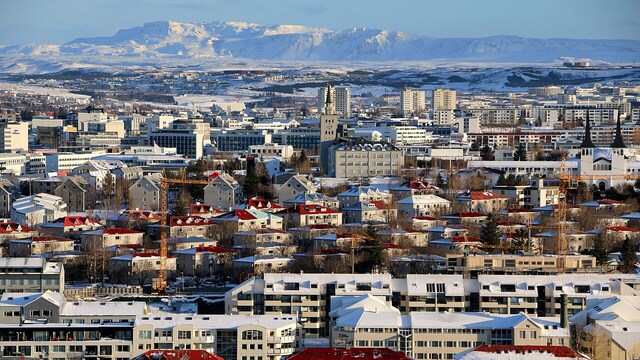
Reykjavik Winter: Reykjavik provides excellent access for winter travelers looking for both nature experiences and urban amenities. The city benefits from geothermal heating that maintains a comfortable environment. Roads are kept in good condition, and weather permitting, tours operate regularly. Museums and thermal pools remain open year-round. Short daylight hours influence travel plans, while air connections effectively accommodate traffic. The city’s lodging capacity meets demand, and organized transportation is available for northern lights observation occurring outside the city during optimal winter nights, guided by tour schedules and forecasts. (Source: Wikimedia Commons)