






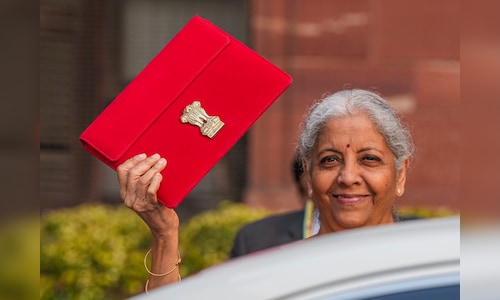
Sources indicate that the discussion included leading representatives from travel, hospitality, medical tourism, and related sectors, highlighting the sector’s anticipation that Budget 2025 will offer structural support for one of India’s fastest-growing service industries.
The finance minister met with prominent figures from the industry, such as Sangeeta Reddy of Apollo Hospitals, Asmita Joshi of Airbnb, and Rajesh Magow of MakeMyTrip. Additionally, representatives from VFS Global, the India Food Tourism Organisation, the Domestic Tour Operators Association, the Adventure Tour Operators Association, and the Tourist Guide Federation participated, signifying a comprehensive dialogue across the tourism value chain.
Also read | Travel spending trends in India: How Gen Z and women manage budgets
Demand for industry status intensifies
A key demand presented to the Finance Minister was the long-standing request for formal industry status for the tourism and hospitality sector. Stakeholders asserted that, despite tourism’s significant contribution to GDP and employment, fragmented regulations and the lack of formal recognition hinder access to affordable financing, incentives, and uniform regulatory treatment.
The sector emphasized that industry status would provide official recognition and unlock investments, particularly in Tier II and III locations where domestic tourism growth outstrips infrastructure. Sources revealed that several representatives highlighted the sector’s job-multiplier effect, making it a strong candidate for structured support in the forthcoming budget.
Visa simplification emerges as a major ask
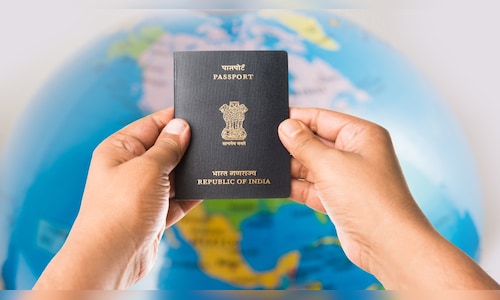
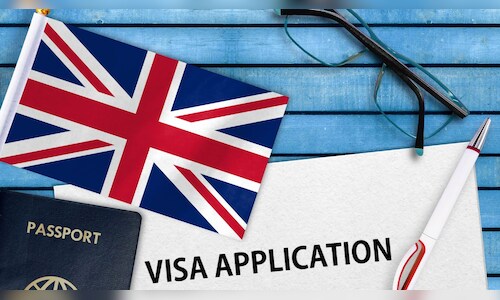
As India aims to enhance its global attractiveness, tourism stakeholders reiterated the necessity for simplifying visa regulations. They informed Sitharaman that competitors in Southeast Asia have significantly relaxed entry rules, including visa waivers for essential markets, creating a competitive disadvantage for India.
Moreover, stakeholders pointed out that expedited processing, rationalized visa fees, expanded e-visa categories, and targeted visa-on-arrival options could enhance inbound tourism, especially from high-spending segments such as medical tourists, adventure seekers, and business travelers, according to sources.
Also read | How tax collected at source works on overseas travel packages
GST clarity on hotel tariffs needed amid dynamic pricing
Hotels urged for clarity regarding GST applicability on room tariffs, especially in light of dynamic pricing. Sources indicated that industry representatives argued that the current tax structure, which taxes hotels based on declared rates, becomes complex when actual prices fluctuate due to demand-driven pricing algorithms.
Hotels requested clear guidelines to mitigate disputes and ensure simpler compliance. The sector has been advocating for taxation based on transaction value rather than declared tariffs, an area of concern for operators due to frequent pricing model variations across online travel platforms.
Also read | Indians can no longer enter Iran without visa, MEA warns of fake job scams
Push for higher budget allocation for overseas tourism promotion
Another significant request was to increase funds allocated to promote India as a leading tourist destination internationally. Stakeholders contended that India’s marketing expenditures lag behind those of competitor destinations, despite its growing reputation as a cultural, medical, and adventure tourism center.
They noted that some industry leaders advocated for scaling up the “Incredible India” campaigns, particularly in strategic markets like Europe, the Middle East, North America, and East Asia. Enhanced digital marketing, trade fairs, and roadshows were identified as strategies to materially increase foreign tourist arrivals.
Single-window clearance system for hospitality projects
Industry participants also called for a single-window clearance mechanism to navigate what they termed “multi-layered and lengthy” approval processes for establishing hotels and tourism infrastructure. Stakeholders informed the finance minister that the current setup involves multiple central, state, and municipal bodies, which delay project timelines and escalate costs.
A unified clearance framework, they suggested, would bolster investor confidence and align with the government’s broader ease of doing business initiatives.
Medical tourism expected to get special focus
Sources noted that medical tourism received particular attention during the meeting, with representatives urging for improved infrastructure, regulatory streamlining, and global outreach. With India anticipated to become one of the world’s largest medical tourism destinations, industry leaders proposed specialized medical visa categories, dedicated hospital facilitation centers, and targeted global campaigns to highlight India’s clinical expertise and affordability.
Health sector representatives emphasized India’s potential to become a global healthcare hub if supported through effective policy, branding, and infrastructure development.