








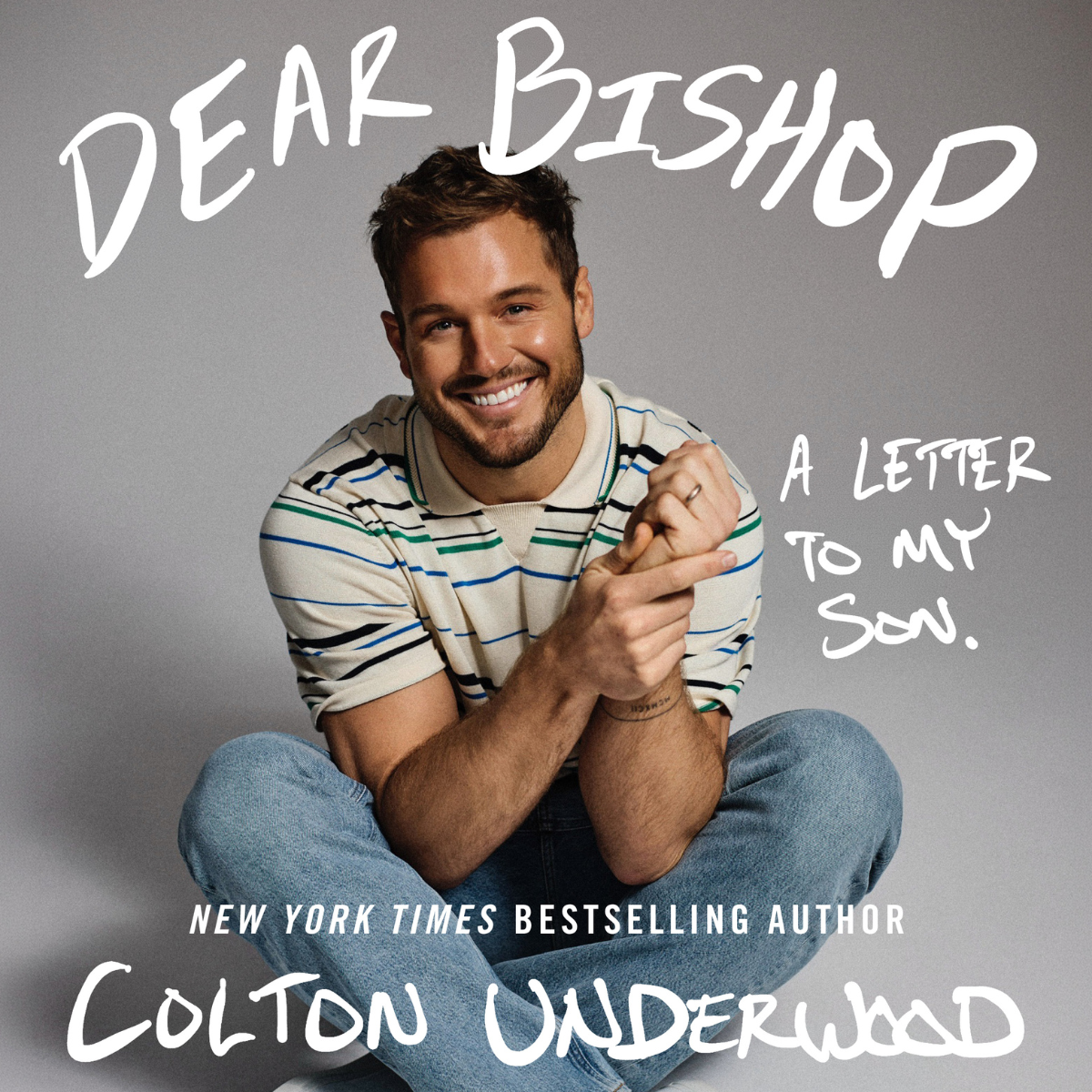
Former NFL player and Bachelor Nation star Colton Underwood is opening up like never before with Dear Bishop: A Letter to My Son, an audiobook original he wrote and narrates himself. Released for Father’s Day and Pride Month, the deeply personal project traces his journey from a Midwestern upbringing and football locker rooms to his very public coming out as a gay man—and the self-acceptance that followed.
Now on the other side, Underwood reflects on what it means to finally live authentically and how fatherhood has changed everything he thought he knew about love, masculinity, faith and family. He and his husband recently welcomed their son, Bishop, and the experience has reshaped not just their lives but what they’re building together.
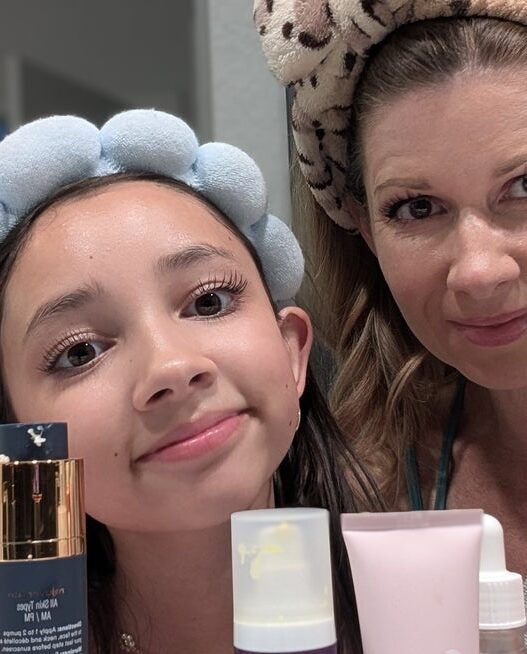
The couple are also co-founders of Toddle, a pediatrician-approved skin-care line made for parents and kids to share. Ahead, we talked with Underwood about the path to fatherhood, navigating surrogacy as a gay couple, the lessons he wants to pass on to Bishop and why he’s determined to redefine family for the next generation.
The book’s premise is a letter to your son. What made you want to tell your story in that form, and what do you most hope Bishop understands about it when he’s old enough to read it?
“I wrote it to Bishop because I didn’t want a memoir that performed for an audience. I wanted something with one reader in mind—Bishop—even if thousands end up holding it. A letter forces a different kind of honesty. I feel like you can spin a story when you’re talking to a crowd. It’s harder when you’re picturing one specific face. What I hope he understands when he’s old enough to read it is how much love his dads have for him.”
You describe feeling like you had to hide your true self in football locker rooms and in the public eye. Was there a specific moment when you realized the cost of that disconnect had become too great to keep carrying?
“It wasn’t one dramatic moment—it was the accumulation. You can carry that for a long time before you notice the weight, because hiding becomes a skill and you get good at it, and being good at something feels almost like being okay. The turn for me was realizing that a lot of my ‘best friends’ and ‘family’ didn’t really get to meet the real me. That’s when ‘managing it’ stopped being a strategy and started being the problem.”
Coming out is one thing, but you’ve talked about the harder work of actually rebuilding self-acceptance afterward. What did that process look like for you day to day, and what finally started to shift?
“Day to day it looked unglamorous. Every day looked different too. Some days I needed therapy, other days I needed to go for a walk or work out. I found little ways to improve every day. Self-talk is a big one now that I’m a huge believer in. When you tell yourself something enough times you can start to believe it—so why not tell myself things that will make me a better version of myself?”
Fatherhood has clearly reframed a lot for you. How has having Bishop changed the way you think about masculinity and what it means to be a man?
“I spent a career inside one of the narrowest definitions of being a man available, and it nearly cost me my life. Then Bishop arrived, and the whole question got quieter and simpler. What changed is that I stopped thinking of masculinity as something to prove and started thinking of it as something he’s watching. I want him to grow up with no idea that there was ever a version of his dad who thought tenderness was a liability.”
For gay couples who are considering surrogacy but feel overwhelmed or uncertain, what’s the one thing you wish someone had told you before you started that journey?
“The one thing I wish someone had told me: the logistics will try to eat the meaning. You can get so deep in the spreadsheet that you forget what the spreadsheet is for. The actual advice: find the people who’ve done it and ask them the unglamorous questions. Our saying for our family was that we didn’t want to play God. There are so many decisions that you have to make and it can be overwhelming to have so much control in an experience that is literally a miracle.”
You’ve taken your mental health advocacy all the way to Capitol Hill. What’s the connection you see between your own story and the fight to get mental health resources to student athletes, and what do you want that legislation to actually change?
“The connection is direct: I was a student athlete who needed help and didn’t have a way to ask for it that didn’t feel like ending my career. What I want the legislation to actually change is structural, not symbolic—these universities and schools are making millions of dollars off of their athletes and it’s their responsibility to take care of their health. Awareness was the easy part. Awareness doesn’t help a 19-year-old at 2 a.m. Infrastructure does.”
On a lighter note, tell us about Toddle! What makes it different?
“Toddle is a science-backed skin-care brand for families that my husband and I co-founded. It specializes in gentle, pediatrician-approved products—mineral sunscreen and a full probiotic collection with lotion and wash—made to support sensitive skin for both kids and parents.”