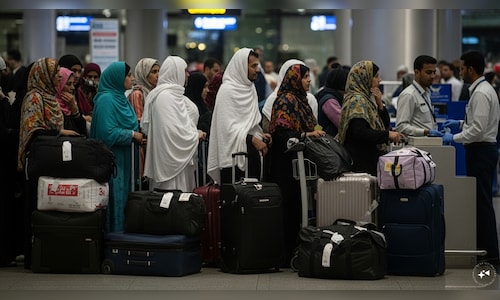





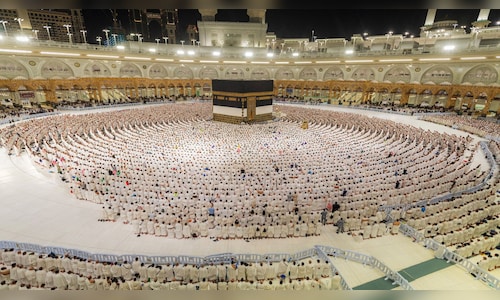
According to reports, the Saudi Ministry of Health advises pilgrims to refrain from walking between the holy sites during peak daylight hours and recommends staying inside camps from 10 am to 4 pm to minimize the risk of sunstroke. Here are some vital heat safety tips and health recommendations for pilgrims:
Hajj 2026 Heat Safety Tips
1. Stay Hydrated: In high temperatures, maintaining hydration is crucial. Pilgrims should drink small amounts of water consistently throughout the day, even if they don’t feel thirsty. It’s best to avoid caffeinated and sugary beverages, as they can lead to quicker dehydration.
2. Avoid the Sun’s Peak: The sun’s rays are most intense between 10 am and 4 pm. Therefore, pilgrims should plan their rituals for the cooler early morning or late evening hours and remain inside their camps during the hottest part of the day.
3. Dress Appropriately: Pilgrims should wear loose, lightweight, and breathable clothing to minimize sun exposure. Utilizing an umbrella, hats, and sunglasses is recommended to protect the head and eyes.
4. Footwear Care: The marble surfaces surrounding the holy sites can become very hot during the day. It’s essential to carry a bag for your footwear to prevent burning your feet when transitioning between paved areas.
Health and Hygiene Guidelines
- Pilgrims are advised against sharing shaving tools during hair removal rituals after completing pilgrimage rites to mitigate the risk of health issues and infections linked to shared personal items.
- Individuals with chronic conditions like diabetes or hypertension should consult a doctor before traveling and carry an ample supply of necessary medications in their hand luggage.
- Frequent hand washing with soap and water or using an alcohol-based hand sanitizer is recommended. Wearing a face mask in crowded indoor spaces is also advisable to prevent respiratory infections.
- Consume only fresh and well-cooked meals. Ensure fruits and vegetables are washed thoroughly and avoid buying food from uncovered street vendors.
- Avoid direct contact with camels found on farms, in markets, or barns, and refrain from consuming unpasteurized milk or eating raw meat or inadequately cooked animal products.
Reports indicate that to alleviate temperatures around Arafat, authorities have set up water misting systems, cooling stations, and shaded areas around Jabal Al-Rahma, also known as the Mount of Mercy. Support teams have been deployed in the area to assist elderly pilgrims and those with health concerns.
(Edited by : priyanka deshpande)