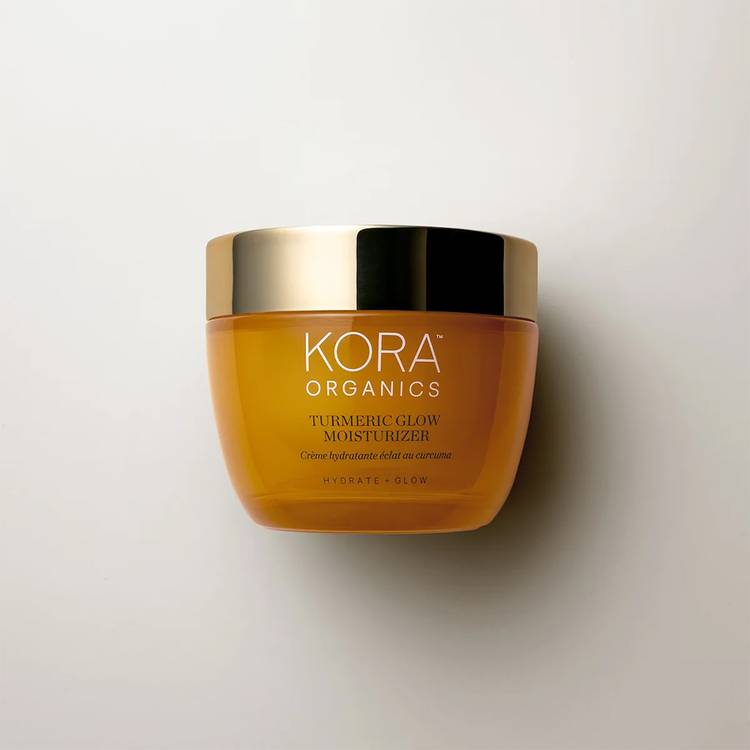







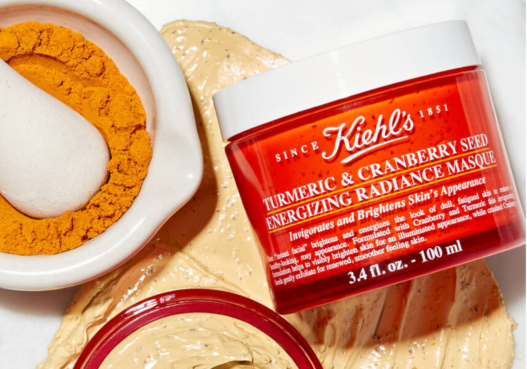
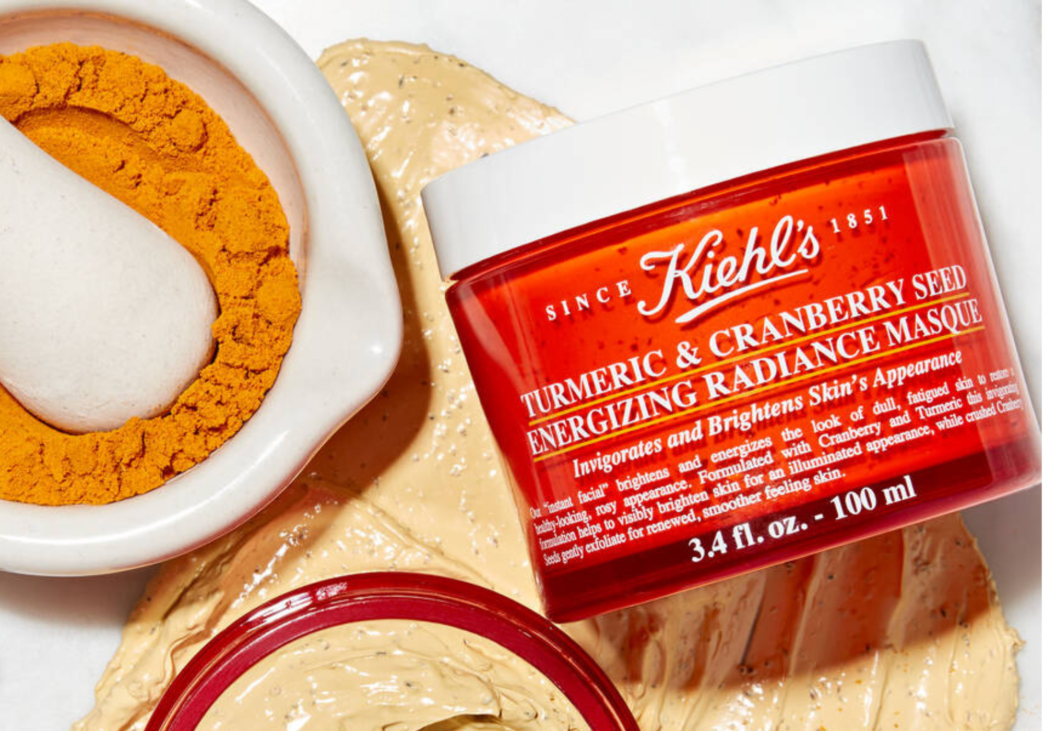
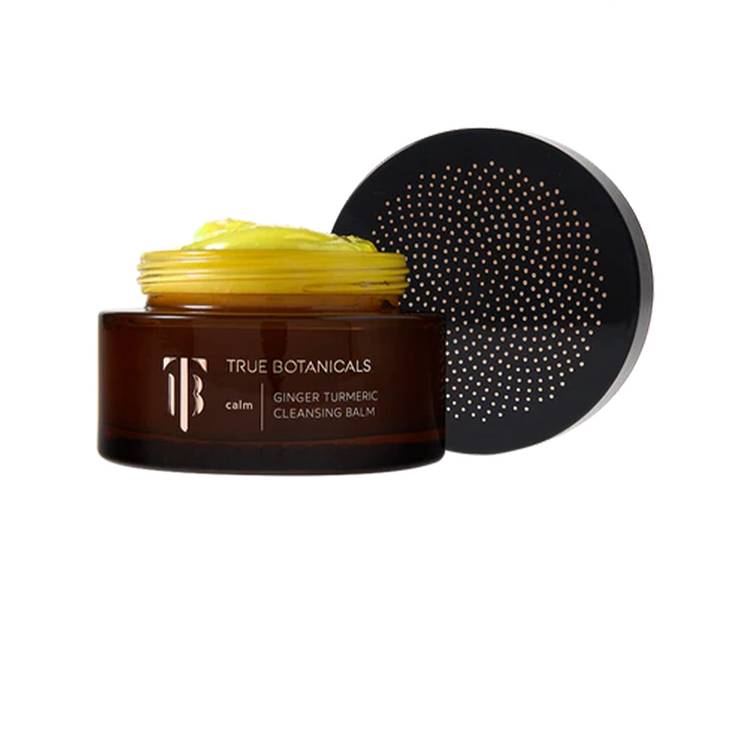
Turmeric is beloved for a lot more than what it does in a latte or a rice dish. The spice—a plant native to India and Southeast Asia that belongs to the ginger family—has been a cornerstone of Ayurvedic practices for generations. Celebrity aesthetician and holistic expert Tammy Fender knows this firsthand. She grows turmeric in her own garden, using it to boost the potency of her juice blends or grating it fresh for a golden milk latte.
Its skin-care credentials are just as strong. “Turmeric has long been valued in skin care for its antioxidant and skin-soothing properties, making it an especially compelling ingredient for supporting overall skin clarity and radiance,” says Joe Cho of medicube.
Ahead, we’re diving deeper into turmeric’s skin-care benefits, the ingredients worth pairing it with and the best products to try in 2026.
The Benefits of Turmeric in Skin Care
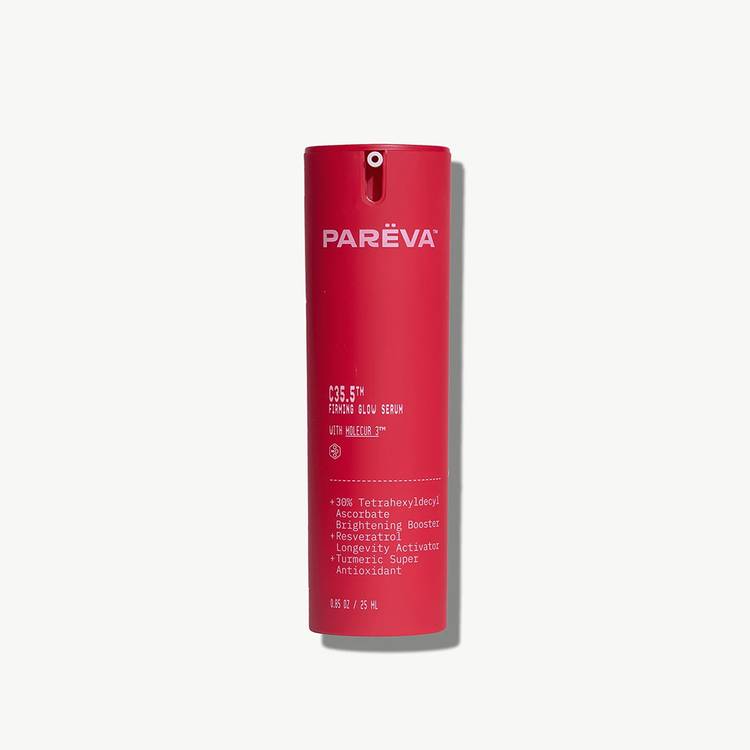
“Turmeric has long been used as a powerful ingredient to help reduce inflammation both inside the body as an edible ingredient, and on the skin,” says scientist and CEO of Parëva Beauty Smitha Rao. The active compounds responsible are called curcuminoids—and according to cosmetic chemists Victoria Fu and Gloria Lu of Chemist Confessions, they’ve been studied for their anti-inflammatory, antimicrobial, antioxidant and brightening properties.
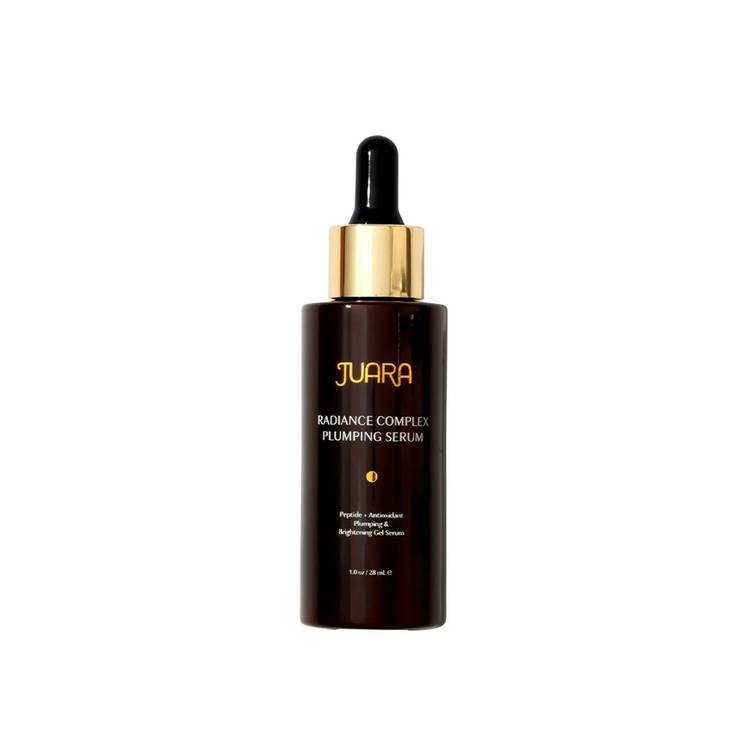
Brightening, specifically, is where turmeric has built a serious scientific case. Metta Murdaya, founder of JUARA, a brand rooted in the Indonesian Jamu tradition, says curcumin is one of the most-studied natural antioxidants in dermatology, with thousands of peer-reviewed publications behind it. “Curcumin works by inhibiting tyrosinase, the enzyme that triggers excess melanin production. That’s the same fundamental pathway that vitamin C targets, which is why turmeric has earned its place as a serious brightening ingredient with tested and measurable results,” she explains. Cho echoes this: “We see turmeric as an ingredient that supports skin wellness, particularly for consumers looking to address dullness and uneven-looking skin tone.”
It’s also broadly accessible. Rao says it’s gentle and well-tolerated by many skin types, including sensitive. Fender agrees: “turmeric contains bioactive phytocompounds that both soothe the skin and support rejuvenation.”
Ingredients to Pair With Turmeric
Turmeric works even better with company. “What I find most interesting—and most aligned with JUARA’s Jamu roots—is that curcumin was never used alone in traditional practice. Jamu healers understood intuitively that specific combinations of botanicals produce results that no single ingredient can achieve on its own,” says Murdaya. “Modern science is now validating exactly that—the synergistic effect of the blend is real. In Jamu tradition, that mastery of combination is everything.”
Of course, quality matters as much as the pairing itself. “The trouble with any plant extract is ingredient sourcing. It’s so hard to know whether you’re getting a source that’s actually rich in these active compounds that will provide long-term skin benefits or simply…plant water,” caution Fu and Lu. “We like turmeric products that either come with some sort of clinical testing or have other well-known actives.”
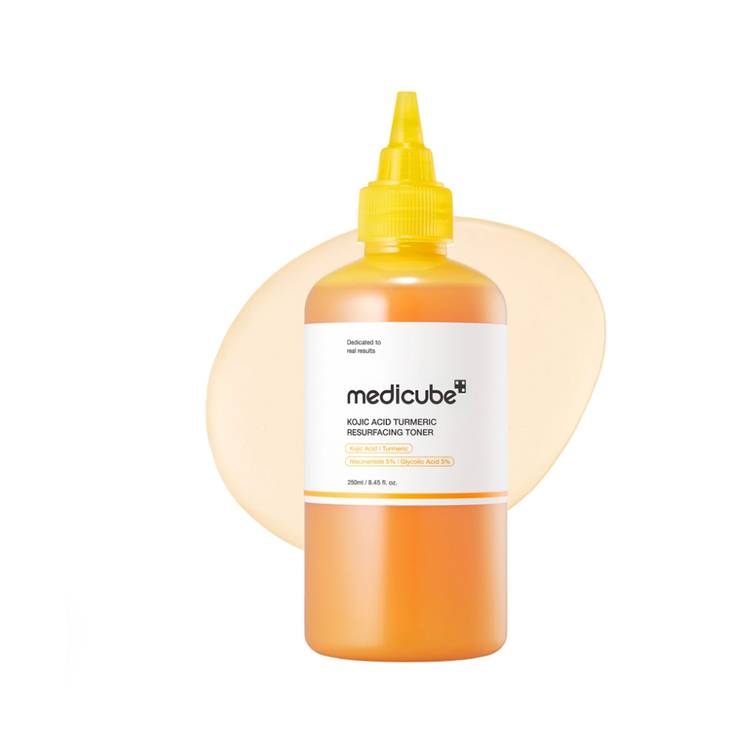
On the pairing front, Cho recommends kojic acid to complement turmeric’s brightening benefits and help visibly fade hyperpigmentation. King points to niacinamide and vitamin C as two other strong partners, both known brighteners that work along similar pathways.
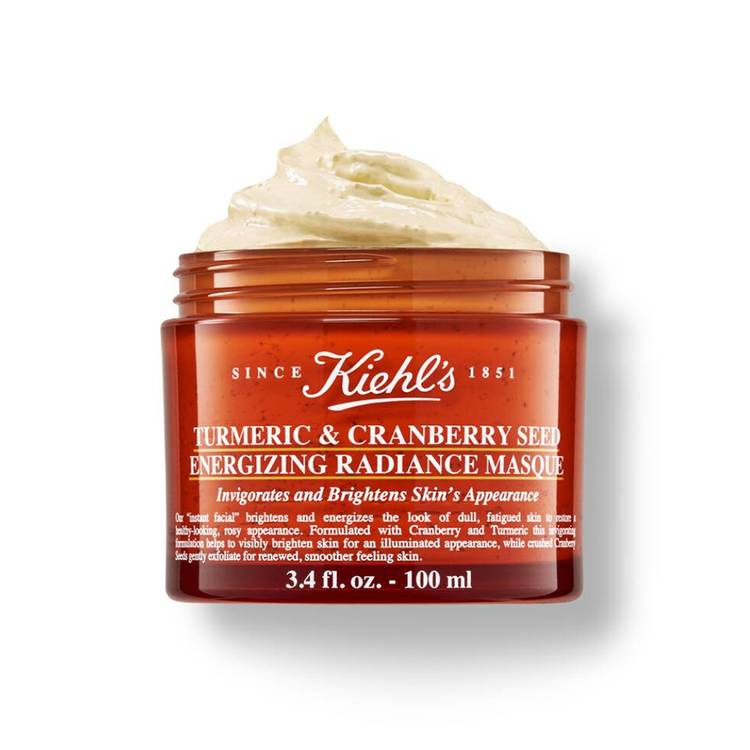
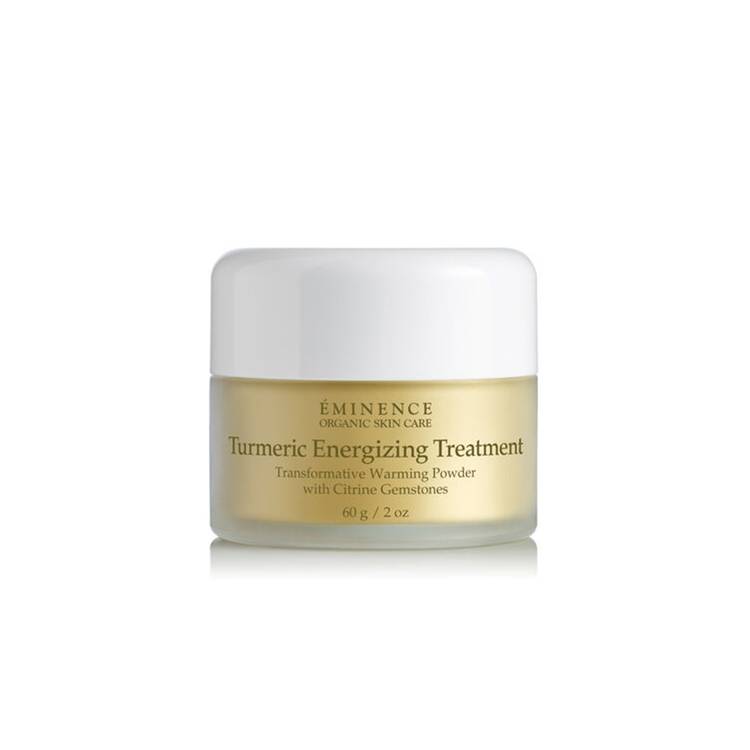
The Best Turmeric Skin-Care Products to Try in 2026
1 / 9
2 / 9
3 / 9
4 / 9
5 / 9
6 / 9
7 / 9
8 / 9
9 / 9