






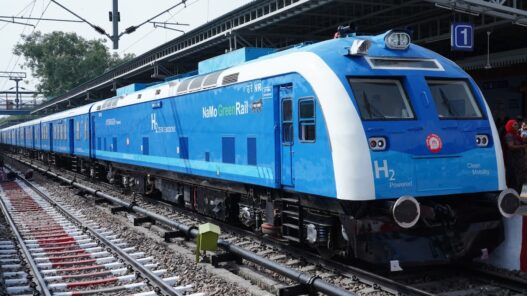
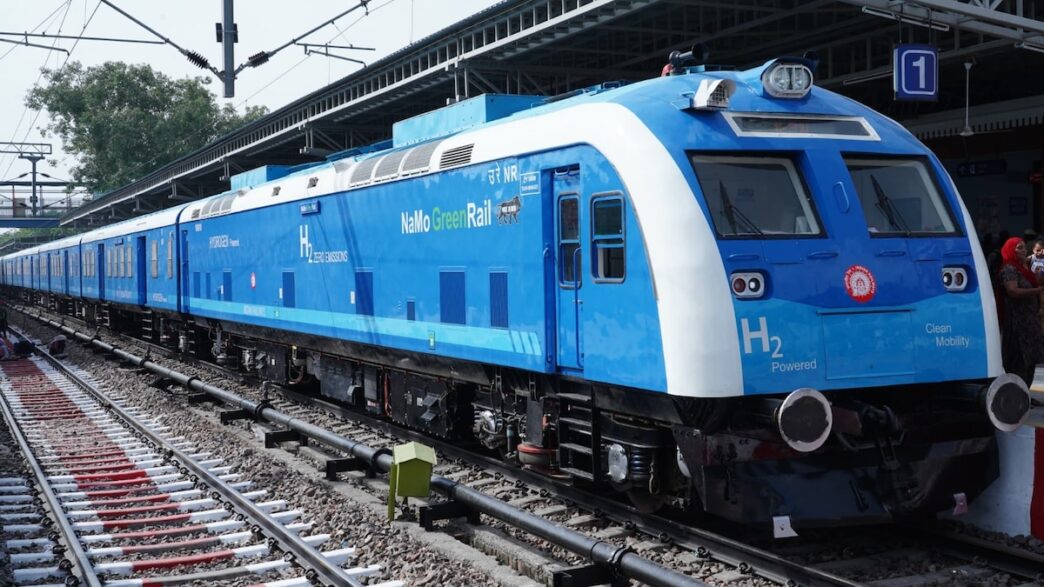
On 17 July 2026, India will debut its first homegrown hydrogen-powered train, with PM Modi anticipated to inaugurate it from Jind, Haryana, along the Jind-So…

 1/6
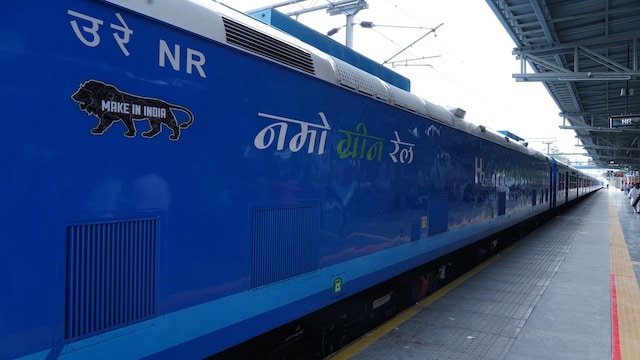
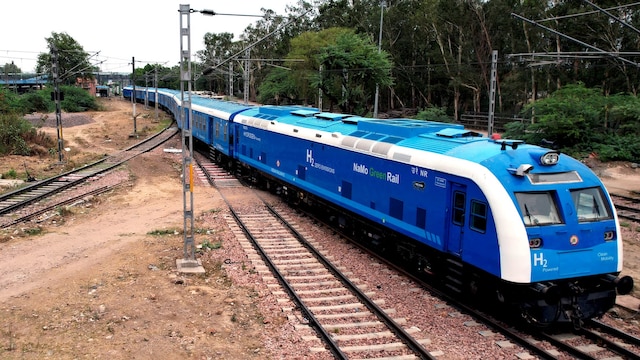
1/6History On Track | Indian Railways is set to launch the nation’s inaugural indigenous hydrogen-powered train on July 17, 2026. Prime Minister Narendra Modi is slated to flag off the service from Jind railway station in Haryana. A senior railway official confirmed to PTI that the PMO has approved this inauguration. This self-sufficient train will operate on the Jind-Sonipat corridor, joining the ranks of Germany, Japan, China, and the US in employing hydrogen train technology.
 2/6
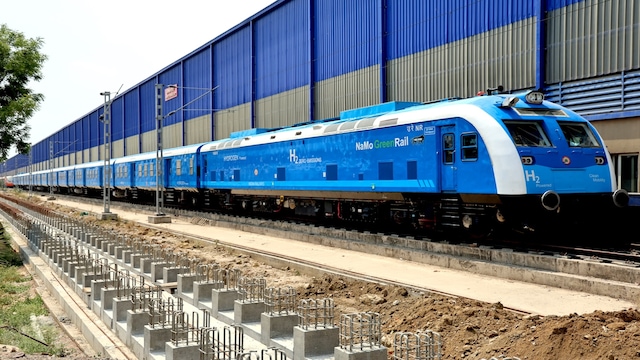
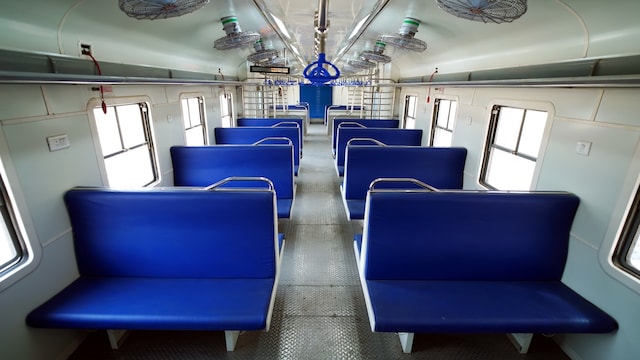
2/6By The Numbers | This 10-car train is equipped with a 1200 kW hydrogen fuel cell system, approved for a speed of 75 kmph, with a design speed reaching 110 kmph, capable of accommodating approximately 2,600 passengers. It will link Jind Junction, Gohana Junction, and Sonipat, stopping at several stations including Jind City, Pandu Pindara, Lalit Khera, and others along the route.
 3/6
3/6Under The Hood | The primary power source of the train is a Proton Exchange Membrane Fuel Cell, which produces electricity through a reaction between hydrogen and oxygen across a specialized membrane, emitting only water vapour and warmth. Hydrogen provides 120 MJ/kg of energy compared to diesel’s 43 MJ/kg, making it a cleaner and low-maintenance alternative.
 4/6
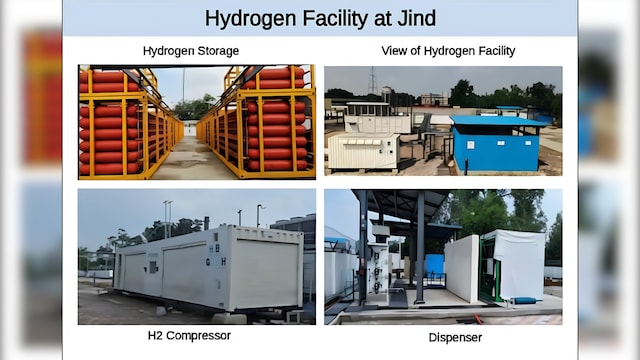
4/6Fuelling Up | Indian Railways has established the largest hydrogen storage and refueling facility in the country at Jind, Haryana, with a capacity of nearly 3,000 kg of hydrogen. The site, licensed by the Petroleum and Explosives Safety Organisation, adheres to NFPA-2 and ISO 19880 standards, having been evaluated by Germany’s TÜV SÜD. It includes a hydrogen compression system and backup compressor for refueling, with the train itself featuring two power cars and eight coaches, each equipped with fuel cells, batteries, and hydrogen cylinders.
 5/6
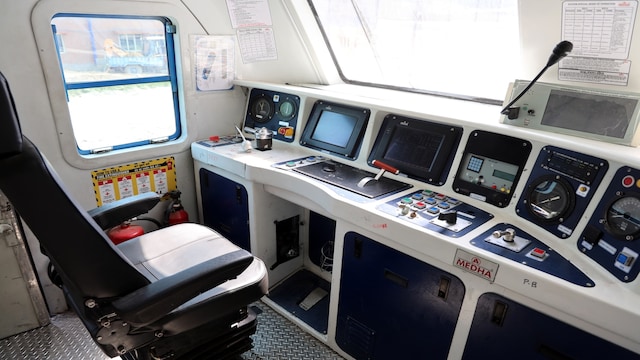
5/6Safety Net | Indian Railways has implemented robust safety measures, standard operating procedures, and regular audits. The Shakurbasti facility in Delhi will oversee maintenance, with trained personnel accompanying the train during initial operations. The refueling system is monitored continuously, equipped with leak and flame detectors, regular sensor checks, and adequate ventilation. In case of heat, flame, or smoke, hydrogen supply is automatically cut off, and the pilot’s cabin features an emergency mode and a live health display.
 6/6
6/6Road Ahead | This hydrogen-powered train represents not just a new mode of transport but also establishes the necessary infrastructure and expertise for future hydrogen rail initiatives. It aims to validate technology, operational procedures, and maintenance practices, thus enhancing India’s capabilities in hydrogen mobility. The project aligns with the National Green Hydrogen Mission and India’s net-zero objectives, laying the foundation for broader adoption and a more resilient transportation system.