






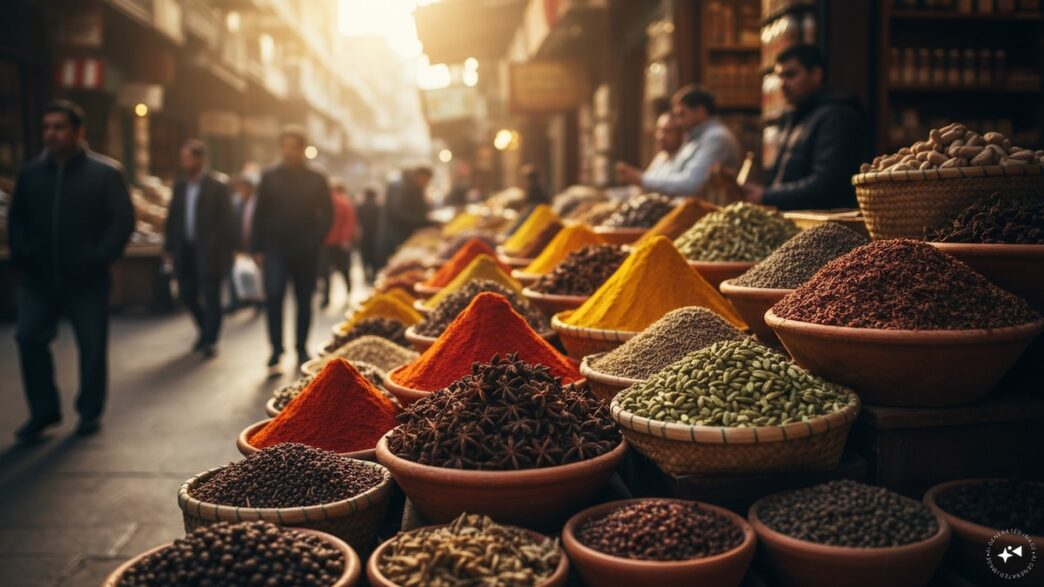
From the bustling spice market of Khari Baoli in Delhi to Istanbul’s iconic Spice Bazaar, these six historic spice markets have maintained their age-old trading customs while attra…

 1/6
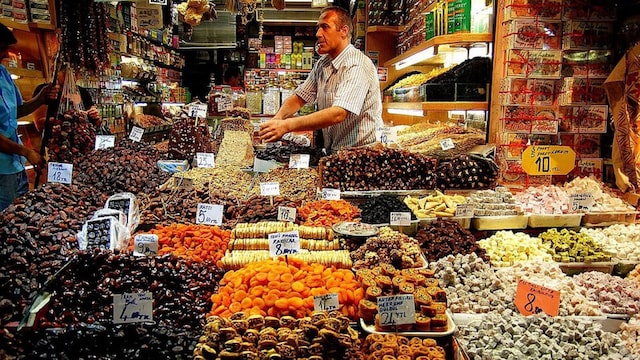
1/6Spice Bazaar (Mısır Çarşısı), Istanbul, Türkiye | Established in the 17th century as part of the Yeni Mosque complex, the Spice Bazaar is one of the world’s most renowned spice markets. It functioned as a significant hub for spice trading within the Ottoman Empire, with products flowing in from Asia, the Middle East, and beyond. Nowadays, its arched passages are filled with vendors selling saffron, sumac, dried herbs, teas, Turkish delight, nuts, and dried fruits, making it a popular historic site in Istanbul. (Image source: Wikimedia)
 2/6
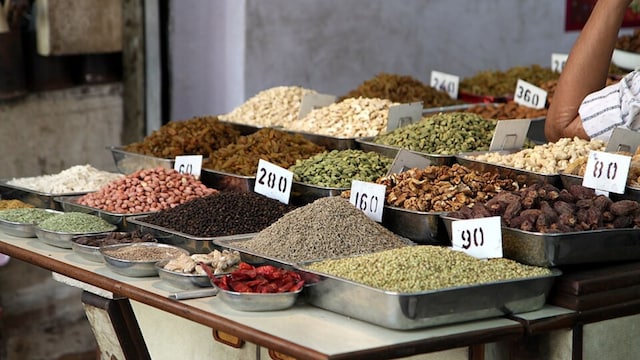
2/6Khari Baoli, Delhi, India | Positioned next to the historic Fatehpuri Mosque in Old Delhi, Khari Baoli has been the center of India’s spice trade since the 17th century. It is considered the largest wholesale spice market in Asia, hosting traders of turmeric, red chillies, cardamom, cloves, cinnamon, black pepper, dried fruits, and herbs. The lively market remains a crucial commercial center while allowing visitors to experience the rich history of India’s spice trade. (Image source: Wikimedia)
 3/6
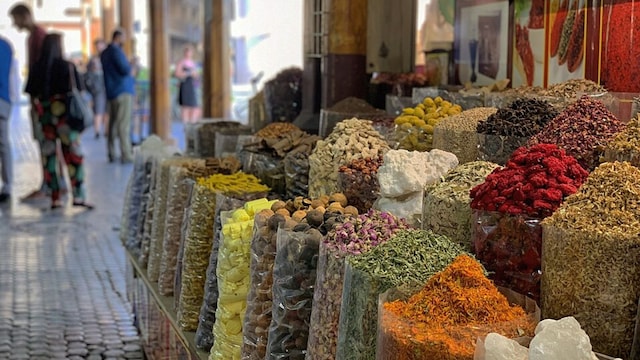
3/6Dubai Spice Souk, Dubai, United Arab Emirates | Situated in the historical Deira district, the Dubai Spice Souk embodies the city’s long history as a trading nexus connecting Asia, Africa, and the Middle East. Its narrow alleys are filled with vendors offering saffron, frankincense, dried lemons, cinnamon, cloves, herbs, and traditional spice mixtures. It endures as one of Dubai’s most celebrated heritage markets. (Image source: Wikimedia)
 4/6
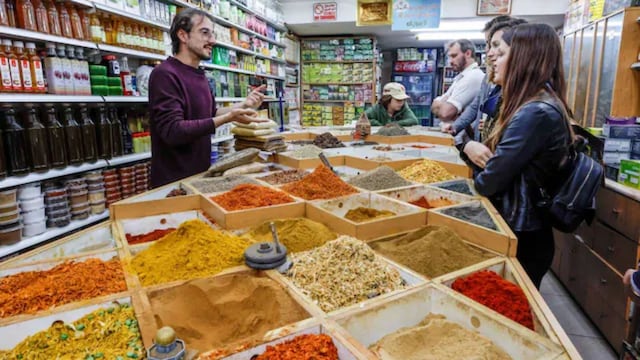
4/6Mattancherry, Kochi, India | Historically, the port city of Kochi was a leading global center for spice trading, drawing merchants from Arab, Chinese, and later European origins seeking black pepper, cardamom, and cinnamon. In areas like Mattancherry and nearby Jew Town, traditional warehouses and spice traders still honor this legacy, making it a prime location to explore Kerala’s rich spice trading history. (Image source: Wikimedia)
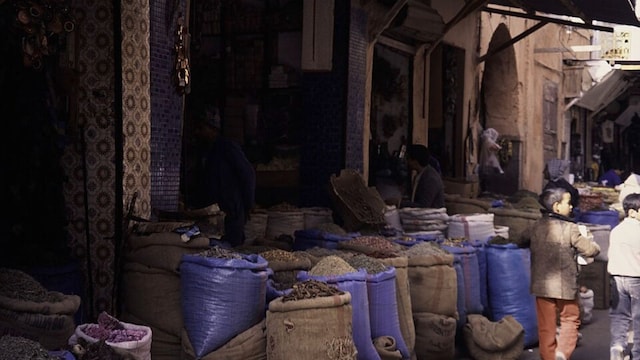 5/6
5/6Marrakech Spice Souks, Morocco | Tucked away in the UNESCO-listed Medina of Marrakech, these spice souks have been a vital part of Moroccan trade for centuries. Market stalls brim with cumin, paprika, saffron, turmeric, ras el hanout, and aromatic herbs, complemented by traditional remedies and essential oils. Their vibrant displays and lively ambiance provide visitors with a genuine glimpse into Morocco’s culinary and trading heritage. (Image source: Wikimedia)
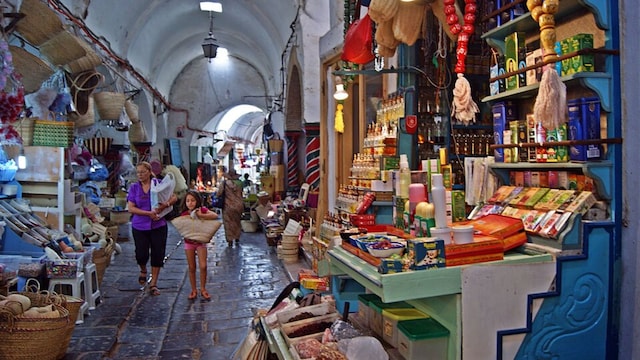 6/6
6/6Souk El Attarine, Tunis, Tunisia | Established in the 13th century, Souk El Attarine is among the oldest souks in the Medina of Tunis. Though initially named after perfumers, it gained fame for its spice, herb, and aromatic product trade sourced from North Africa and the Mediterranean. Today, it remains a prominent historic market where visitors can discover rich culinary and cultural legacies. (Image source: Wikimedia)