






Perimenopause and menopause are not only acknowledged with less stigma these days, but they’re being celebrated like never before. The growing support system around this transformational time is empowering, even when the symptoms of menopause and perimenopause feel less than glamorous. Enter stronger body odor, one of the lesser-discussed changes that can show up in both.
How does body odor change during perimenopause and menopause? Will natural deodorants cut it? Will the sweating ever stop? We asked two board-certified dermatologists to answer these questions and more about what sets menopausal body odor apart from earlier phases, along with their recommendations for products and treatments that actually work to keep you feeling fresh.
Featured Experts
How Does Body Odor Change During Perimenopause and Menopause?
Body odor changes come down to one thing: hormones. “During perimenopause, hormone shifts increase sweating and change how sweat breaks down on the skin, which can make odor stronger,” explains Miami dermatologist Dr. Deborah Longwill.
These hormonal shifts continue into menopause, where dropping estrogen levels make them even more noticeable. “Shifting estrogen levels affect the way the body regulates temperature and how the skin’s microbiome behaves,” explains New York dermatologist Julie Russak, MD. “Hot flashes and night sweats create sudden bursts of sweat, often in larger amounts than women are used to. The composition of sweat also changes, and the bacteria that live on the skin shift with hormonal changes. This can make odor stronger or simply different from what someone has experienced before.”
Deodorants vs. Antiperspirants
Deodorants help keep odor-producing bacteria in balance, while antiperspirants reduce the amount of sweat (which can help during frequent hot flashes), so which one is best when body odor changes during perimenopause and menopause? “Most women do best with a layered approach,” says Dr. Russak. A “layered approach” includes sticks, creams, sprays and wipes of both formulations. Sticks and creams offer more control and protect against friction; sprays are good for broader areas like the back or under the breasts, but may not last as long; wipes are helpful for quick resets during the day.
Do Natural Deodorants Work During Perimenopause and Menopause?
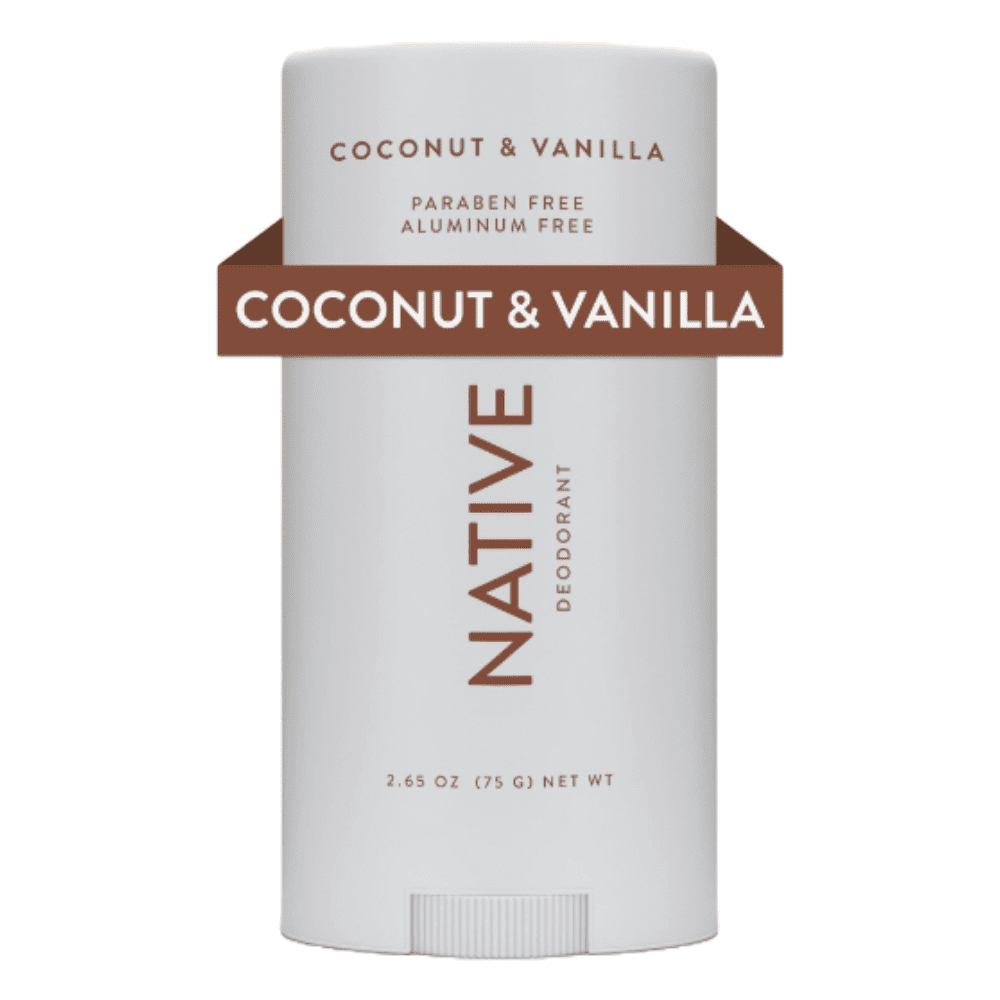
In short, yes. Natural deodorants (which typically avoid aluminum salts and instead rely on ingredients like gentle acids, mineral powders or microbiome-supporting actives to control odor) still neutralize odors and support the skin’s microbiome, says Dr. Longwill. “If sweating is heavy from hot flashes, you may need to reapply more often,” she adds. “When hormones are shifting, and sweating is unpredictable, many women notice that natural formulas do not last as long or need more frequent reapplication,” agrees Dr. Russak. “Some people do well alternating between natural formulas and an antiperspirant or a stronger deodorant on days when sweating is heavier.”
Ingredients That Help With Sweating, Hot Flashes and Odor
For odor control, both Dr. Russak and Dr. Longwill recommend formulas containing gentle acids like mandelic and lactic acids to help keep bacteria in balance, and zinc ricinoleate to bind odor molecules and neutralize them. Additional ingredients to seek out include silver or copper complexes for antimicrobial support, probiotics and prebiotics for a healthier microbiome, magnesium and mineral salts to further trap odors and tea tree oil and coconut oil for mild antibacterial benefits.
“For sweat reduction, aluminum salts in antiperspirants are still the most effective,” says Dr. Russak, but if you want to avoid traditional antiperspirants altogether, Dr. Longwill recommends a deodorant that targets bacteria and neutralizes odor. “Glycopyrrolate wipes can also help control sweating in specific areas.” And for skin that becomes sensitive from repeated sweating, Dr. Russak recommends ingredients like glycerin, allantoin and ceramides to help keep the barrier calm and hydrated.
If persistent body odor doesn’t respond to topical products, in-office options such as Botox can control excessive underarm sweating for several months and make a real difference for people who feel they are constantly damp or self-conscious, adds Dr. Russak. “Botox in the underarms is one of the most reliable solutions for reducing both sweat and odor for several months at a time.”
Addressing the Aluminum and Breast Cancer Question
The word “aluminum” may cause some pause because of the ongoing conversation around breast cancer risk. “Research from major cancer organizations and large population studies has not shown a direct link between aluminum antiperspirants and breast cancer,” notes Dr. Russak. “Aluminum salts sit in the sweat duct and do not migrate into breast tissue. That said, some women prefer to avoid aluminum for personal reasons. This is completely reasonable.” Non-aluminum options, such as the aforementioned acid-based deodorants, microbiome-focused formulas, glycopyrrolate wipes and in-office treatments like Botox, can help alleviate hormonal body odor changes.
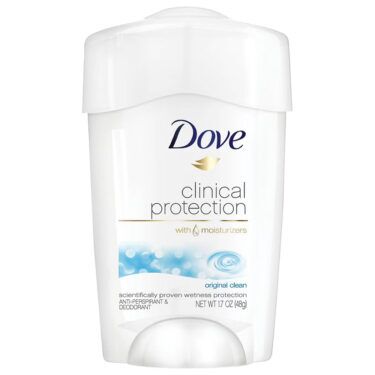
Best Deodorants and Antiperspirants for Perimenopausal and Menopausal People
/

/
/
/
/