






Situated in western Guangxi at the junction of Guangxi, Yunnan, and Guizhou provinces, and bordering Vietnam to the south, Baise is celebrated for its harmonious blend of natural beauty and rich cultural traditions. The city features remarkable geological structures, including sinkholes, canyons, waterfalls, and lakes, and serves as a cultural hub for ethnic communities like the Zhuang, Han, Yao, and Miao.
Among Baise’s remarkable natural wonders are its globally renowned karst landscapes. The Leye Dashiwei Sinkhole Group, often referred to as the “World Sinkhole Museum,” offers breathtaking views from the Yunhai Tianzhou Glass Observation Deck, along with opportunities for cliff-top camping.
Also read | China warns domestic tourists against traveling to Japan amid Taiwan row
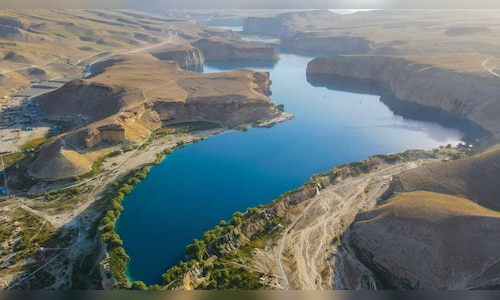
The Tongling Grand Canyon, an underground passage measuring 3.8 kilometers, is acclaimed as “a beautiful scar on the earth” and boasts the impressive 188-meter-high Tongling Grand Waterfall. Visitors can also explore Lingyun Haokun Lake, where popular activities include lakeside cycling, boat tours, and stand-up paddleboarding. Other picturesque sites, such as Chengbi Lake, Sandieling Waterfall, and Goose Spring, consistently attract tourists throughout the year.
Baise’s multi-ethnic identity is evident in its rich cultural traditions, which encompass music, dance, drama, folk arts, and craftsmanship. Notable festivals—such as the Zhuang “March 3rd” Song Festival, the Miao Tiaopo Festival, and the Yi Torch Festival—draw significant crowds. Jingxi, known as the “Hometown of Chinese Embroidery Balls,” maintains the intricate art of creating embroidery balls, which symbolize friendship.
During the Tour of Guangxi Road Cycling World Tour in October 2025, Jingxi gifted over 300 specially crafted embroidery balls to international cyclists, showcasing Zhuang culture to a worldwide audience.
Also read | China extends visa-free entry to over 70 countries to attract tourists
Border-area tourism is also a prominent aspect of Baise. In the Napo Black-Clothes Zhuang Villages, residents uphold the tradition of wearing elaborate black attire, while Debao County’s Pony Kingdom Scenic Area provides a family-friendly experience centered on the unique Debao pony.
At border trade markets like Jingxi Longbang Port and Napo Pingmeng Port, tourists can buy Vietnamese goods, including coffee and cashew nuts. Visitors may also obtain a border tourism pass with their ID cards to cross into Vietnam, where they can indulge in local afternoon tea, explore historic French architecture, and soak in the distinctive cross-border ambiance.
Within Baise’s urban area, often described as a city of “half green mountains and half water,” visitors can enjoy peaceful walks along the Youjiang River. Nighttime brings the Baise Night Market to life with its signature dishes, including thin-skinned rice rolls, spicy stir-fried rice worms, and refreshing locust flower jelly. Renowned nationally as the “Hometown of Chinese Mangoes,” Baise also offers its famous mangoes—known for their rich fragrance and unique sweetness—as an essential treat for travelers.
(Edited by : Jerome Anthony)
First Published: Nov 15, 2025 1:45 PM IST