








If you consider yourself a skin-care aficionado—someone who keeps up with the latest trends and treatments—you’ve probably been tempted to slather salmon sperm (or rather, its hero ingredient, PDRN) on your face. The rise of topical PDRN products has been building fast; from masks and serums to moisturizers and eye creams, there’s hardly an over-the-counter category the ingredient hasn’t entered.
But the influx of options raises understandable questions about efficacy. Research shows that PDRN can offer several skin benefits, including improved texture, elasticity and hydration. Still, in a sea of products, identifying one that truly performs can feel overwhelming. So we asked three dermatologists to weigh in. Below, they break down what to look for in topical PDRN formulas and the application tips that can help you get the most out of them.
Featured Experts
What Is PDRN?
PDRN is short for polydeoxyribonucleotide and is defined as a DNA fragment. As Southlake, TX dermatologist Janine Hopkins, MD explains, PDRN activates a specific receptor linked to increased fibroblast activity, collagen production and angiogenesis. It’s naturally derived, and while there are plant-based options, the most common source is salmon sperm. PDRN extracted from salmon is considered the most beneficial due to its purity and molecular weight. According to studies, salmon PDRN is extracted and purified at high temperatures, resulting in a highly purified active substance with inactivated proteins and peptides.
How Is PDRN Efficacy Measured?
Like most skin-care ingredients, PDRN’s efficacy comes down to its molecular weight. Its size influences how well it’s absorbed—and ultimately, how well it works. “A lower molecular weight improves penetration and often nods to the purity of the ingredient,” says Dr. Hopkins. Research shows PDRN can range anywhere from 50 to 1,500 kDa, and that wide span means there can be significant variation in how the ingredient performs. Still, molecular weight isn’t the only factor that matters. “Formulation and the delivery system will also influence how effective PDRN can be,” says Miami dermatologist Anna Chacon, MD. In other words, even high-quality PDRN won’t do much if the formula doesn’t help carry it into the skin.
In-Office vs. Topical Products
Experts agree on two main differences between in-office PDRN treatments and topical PDRN products: concentration and delivery. “In-office treatments typically include injectable procedures or microneedling with PDRN serums, which allows them to be delivered deeper into the dermis,” says Dr. Chacon. According to Dr. Hopkins, the goal is to reach the fibroblasts to provide more pronounced improvements, such as visible improvements in elasticity, firmness and texture. It also helps extend the longevity of results.
With topical products, you’re getting a much gentler approach. Since they work at the surface level, Miami dermatologist Dr. Deborah Longwill notes they offer more gradual results—boosting hydration, improving skin-barrier repair and supporting recovery after resurfacing procedures. “Think of them as a starter option for those who want the benefits without downtime,” adds Dr. Chacon.
How to Use PDRN Topical Products
Consistency is key to getting the best results from a topical PDRN product. All three doctors recommend applying it twice daily to maximize benefits. “Absorption is important with PDRN, so it’s ideal to apply directly after cleansing and before moisturizing to be sure it sinks in,” says Dr. Longwill. She also suggests pairing it with a gentle skin-care routine and steering clear of harsh exfoliants and actives. “Repair is one of PDRN’s star benefits, so using it alongside barrier-supporting ingredients will help enhance absorption and repairing capabilities,” adds Dr. Chacon.
Topical PDRN products can also be used post-procedure to support healing. If you’re applying it after microneedling or a laser treatment, Dr. Hopkins recommends using it immediately after, when absorption is at its peak. “Layer the PDRN product first on clean skin, followed by a ceramide-based moisturizer and SPF—and be sure to avoid retinoids and exfoliating acids for 48–72 hours after treatments,” she says.
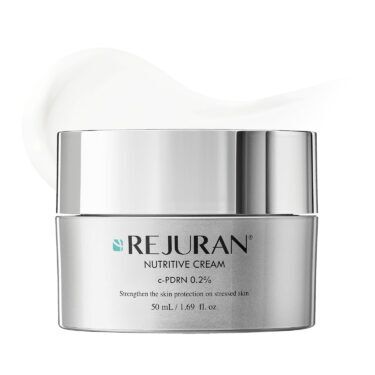
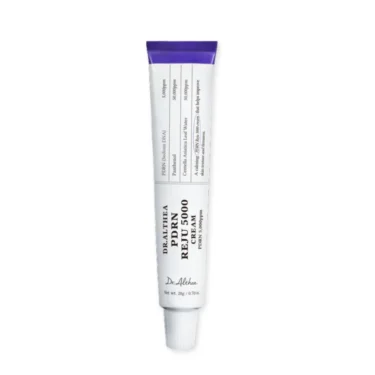
Topical PDRN Products Worth Trying
/
/
/
/