





Explore 7 intriguing facts about Shinjuku Station, the busiest and most frequented transit center in Tokyo, spanning over 200 exits and myriad hidden spots.
2 Min Read

 1 / 8
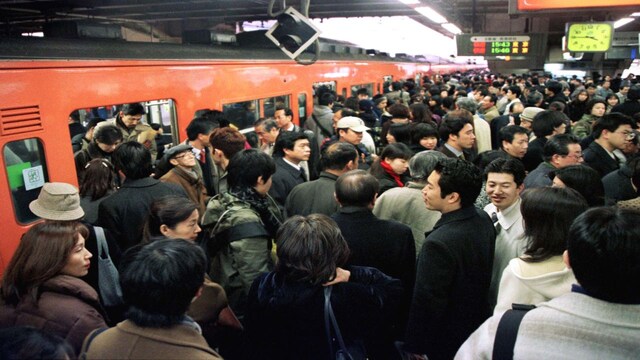
1 / 8While Shinjuku Station may seem like just another bustling area in Tokyo, its impressive statistics, architecture, and hidden locales reveal a much deeper narrative. Here are seven aspects that render it one of Japan’s most captivating transit points. (Image: Reuters)
 2 / 8
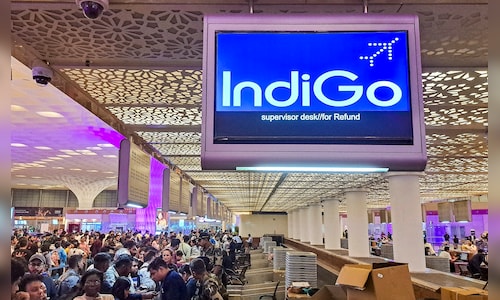
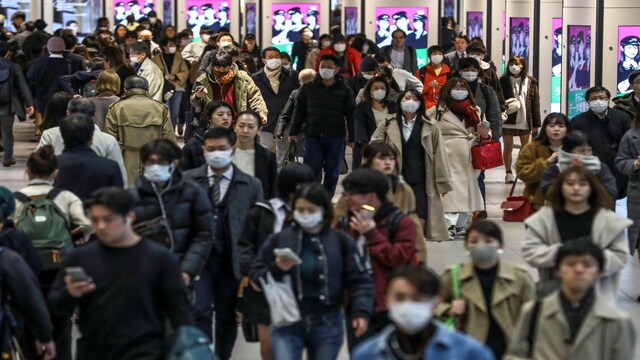
2 / 81. It’s one of the busiest stations globally | Shinjuku Station accommodates millions of travelers daily, establishing it as one of the most congested transportation hubs worldwide. Various trains, subways, and private railway lines converge here. (Image: Reuters)
 3 / 8
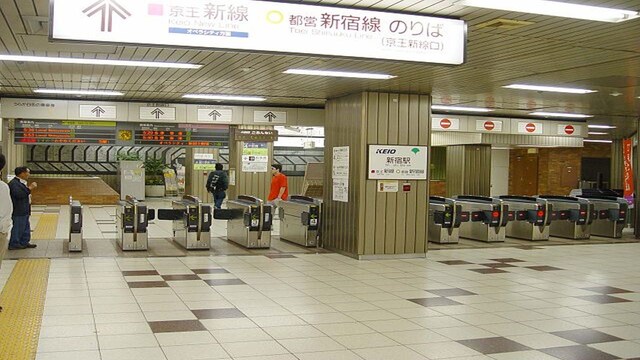
3 / 82. It features over 200 exits | The station’s intricate, maze-like layout, combined with its vast number of exits, often leads to confusion. Many first-time visitors depend on signage or maps to navigate. (Image: Wikimedia Commons)
 4 / 8
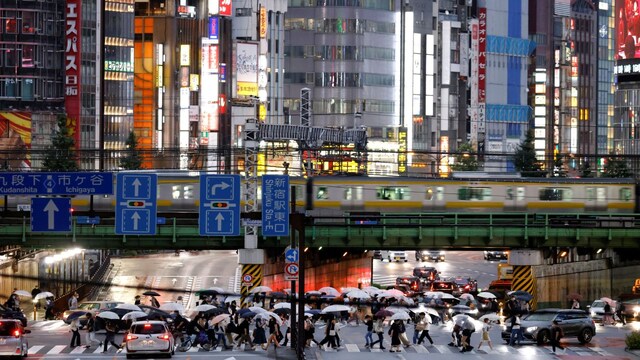
4 / 83. It connects several railway operators | Within the same station complex, JR East, Odakyu Electric Railway, Keio Corporation, and Tokyo Metro operate, making Shinjuku a vital travel nexus in central Tokyo. (Image: Reuters)
 5 / 8
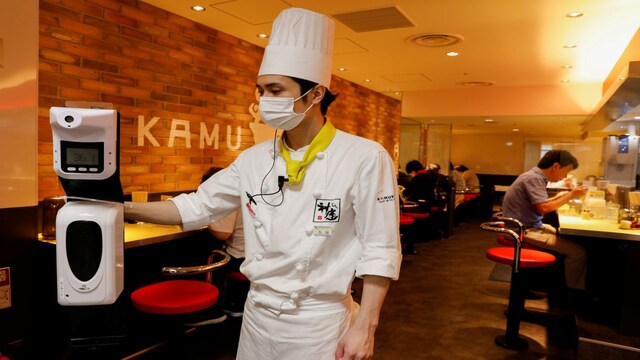
5 / 84. There’s a vast shopping area below ground | Beneath the station lies an extensive array of malls, eateries, and shop fronts. Locations such as Shinjuku Subnade and Odakyu Ace provide everything from snacks to clothing. (Image: Reuters)
 6 / 8
6 / 85. The station’s Lost & Found recovers thousands of items annually | Given the massive footfall, recovered items are collected each day. From wallets to umbrellas, a significant number of belongings are processed through its Lost & Found each year. (Image: Reuters)
 7 / 8
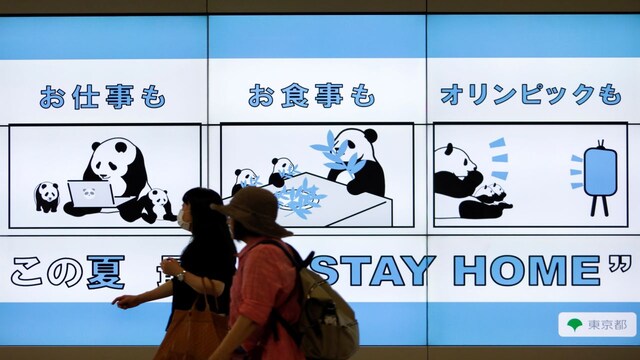
7 / 86. It’s connected to key landmarks and districts | Shinjuku Station leads to famous locations such as Kabukicho, Shinjuku Gyoen National Garden, and the Tokyo Metropolitan Government Building, making it a preferred starting point for travelers. (Image: Reuters)
 8 / 8
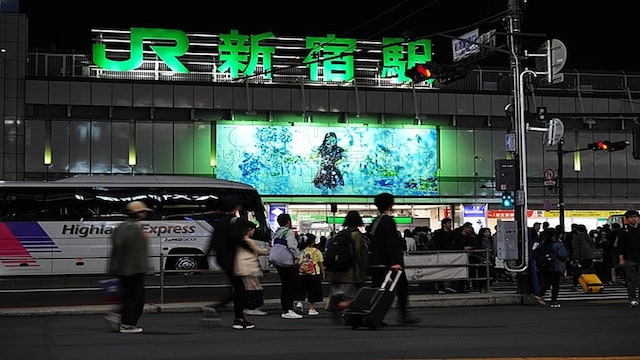
8 / 87. The West Exit features a dedicated bus terminal | The West Exit of the station hosts an extensive bus terminal that serves as a link between Tokyo and other cities, facilitating long-distance highway buses and airport shuttles. (Image: Wikimedia Commons)