






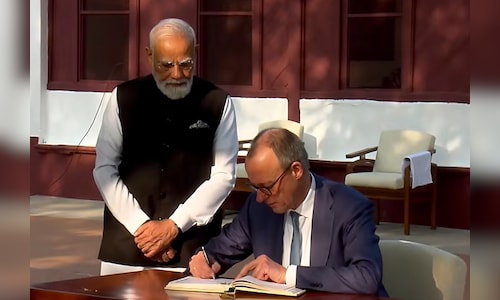
During a joint press conference, Foreign Secretary Vikram Misri highlighted that the German Chancellor’s visit represented a significant engagement between the two nations, covering a wide range of topics including defense, trade, skills, green energy, and people-to-people connections. Among the notable outcomes was a joint declaration of intent to bolster bilateral defense industrial cooperation and the creation of a Chief Executive Officers’ Forum aimed at enhancing trade and investment.
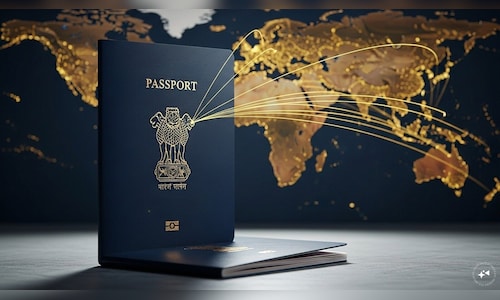
One of the major outcomes related to mobility was Germany’s announcement permitting visa-free airport transit for Indian citizens. This allows Indian passport holders to transit through German airports for onward international flights without needing to apply for a separate transit visa, provided certain conditions are fulfilled. However, this arrangement does not include visa-free entry into Germany or the broader Schengen area; thus, Indians traveling for tourism, business, or extended stays will still need the relevant visas.
Also read: PM Modi hosts German Chancellor Merz in Ahmedabad, flies kites on first India visit
Migration and skills cooperation were significant focal points during the discussions. Prime Minister Modi noted the importance both nations place on migration, mobility, and skills, emphasizing that Indian professionals, especially in the healthcare sector, are playing a vital role in Germany’s economy. A new framework under the Global Skills Partnership was introduced to facilitate the movement of healthcare professionals, along with a comprehensive roadmap for cooperation in higher education.
Germany has also pledged funding of 1.24 billion euros as part of the Green and Sustainable Development Partnership to back renewable energy projects, green hydrogen initiatives, and climate-resilient urban infrastructure. Both sides agreed to enhance collaboration in clean and sustainable energy and to establish an India–Germany Centre of Excellence to promote cooperation in green technologies, innovation, and climate action.
The discussions also culminated in agreements concerning economic cooperation, critical minerals, telecommunications, research and development in the bioeconomy, collaborations in sports and postal services, and the establishment of an honorary German consulate in Ahmedabad. Both leaders reaffirmed their commitment to working together on global issues, including reforms of international institutions and coordination in the Indo-Pacific, while also addressing the situations in Ukraine and Gaza.
Chancellor Merz is on a two-day official visit to India, coinciding with the 75th anniversary of diplomatic relations and the 25th anniversary of their strategic partnership.
Also read: Modi, Merz set for crucial talks in Ahmedabad amid rising geopolitical tension
(Edited by : Priyanka Deshpande)