Milan in November
19 October 2026, 4 min read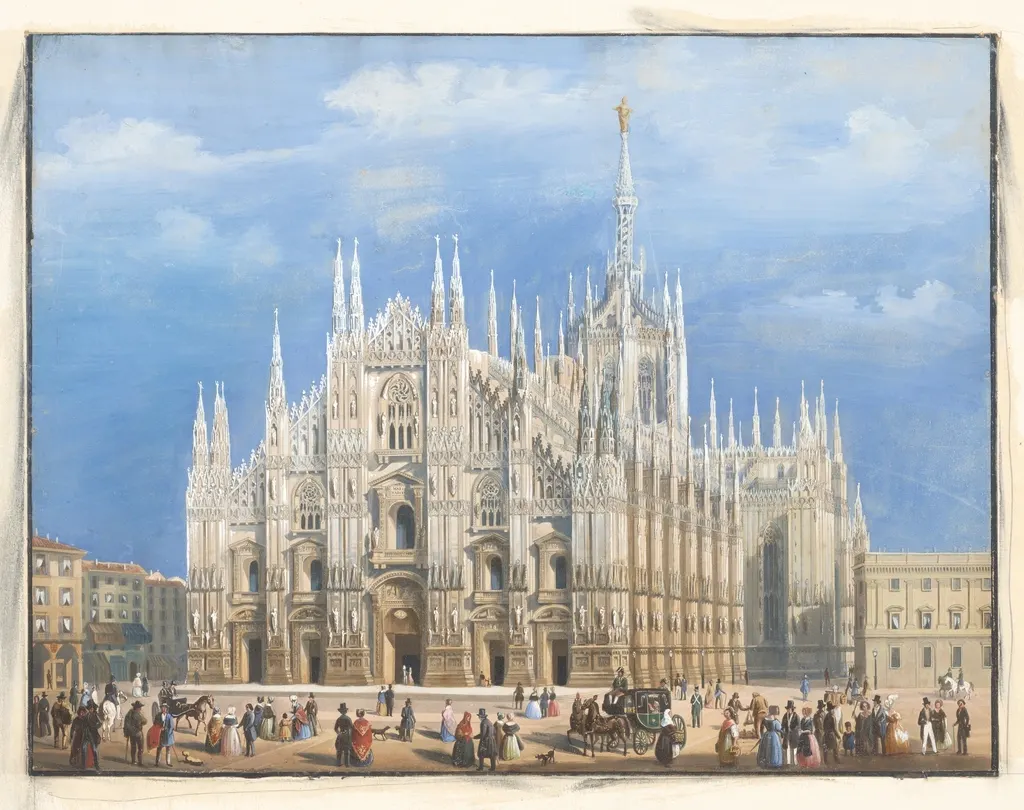
November is a good month to visit Milan for travelers who appreciate cooler weather and thinner crowds. It suits those who want to explore cultural landmarks at a relaxed pace without the peak season rush.
What the Weather Is Really Like
November in Milan means cooler air settling over the city. The average high drops to 12 degrees Celsius, which is 54 degrees Fahrenheit, while the low reaches 5 degrees Celsius, which is 41 degrees Fahrenheit. By comparison, the hottest months are July and August, both reaching 29 degrees Celsius, while January is the coldest month at 6 degrees Celsius. So November sits well below the summer peaks and marks a clear turn toward winter.
Rainfall increases to 137 millimetres for the month, with humidity hovering around 80 percent. The ground stays damp and the air feels heavy, especially in the mornings. Daylight shrinks to 9.3 hours, so the sun sets early and the city dims by late afternoon. Visitors should expect overcast skies more often than not, though clear days do occur and feel crisp when they arrive.
What the Month Feels Like in the City
The shorter daylight hours change how the city moves. Mornings start late as light filters through grey skies, and the early darkness pushes evening activities indoors. Cafes and restaurants fill earlier. The reduced daylight hours make mornings slower and evenings more contained, a rhythm that suits visitors who prefer unhurried exploration.
November is generally quieter than the peak travel months. Tourism drops after the summer holidays and before the December festivities begin. There is one public holiday worth noting. All Saints Day falls on November 1st. This means some shops, museums, and offices may close for the day or operate on reduced hours. Visitors arriving around that date should check individual venue schedules in advance to avoid disappointment.
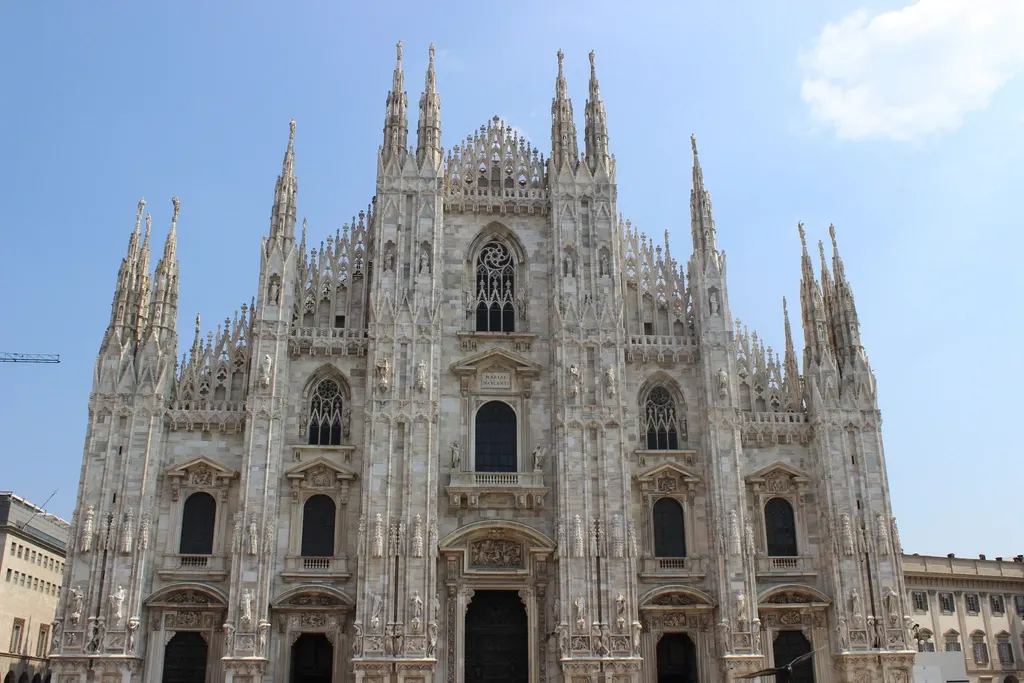
The mood in the city shifts toward a quieter, more reflective pace. Streets remain walkable and the damp air carries the scent of roasted chestnuts from street vendors. The reduced crowds mean landmark sites feel less crowded, though popular attractions still draw their share of visitors.
What to See
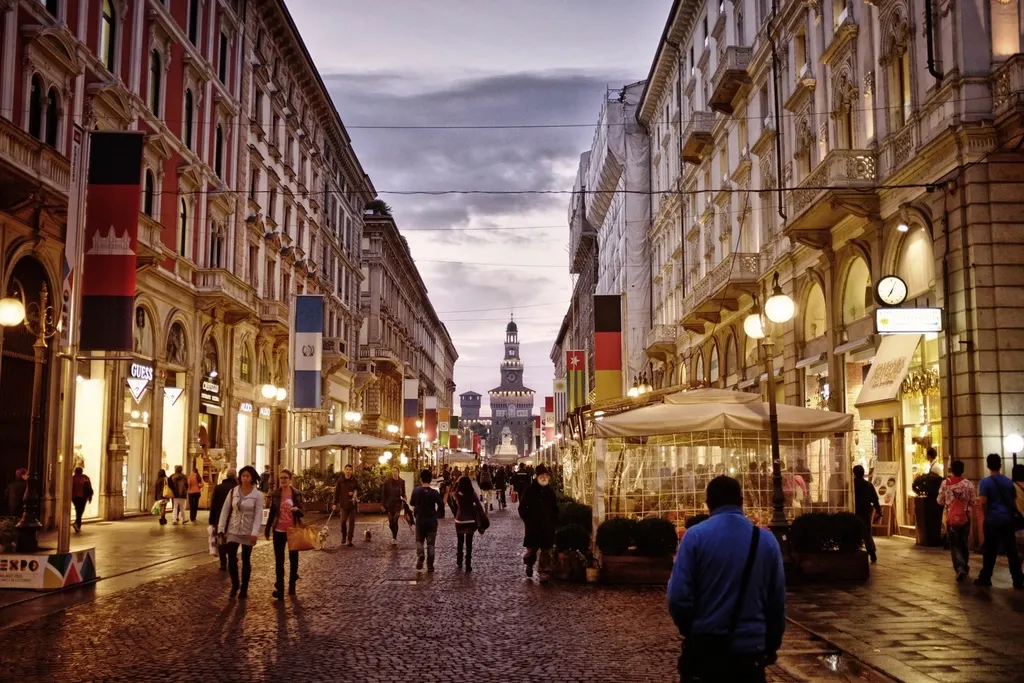
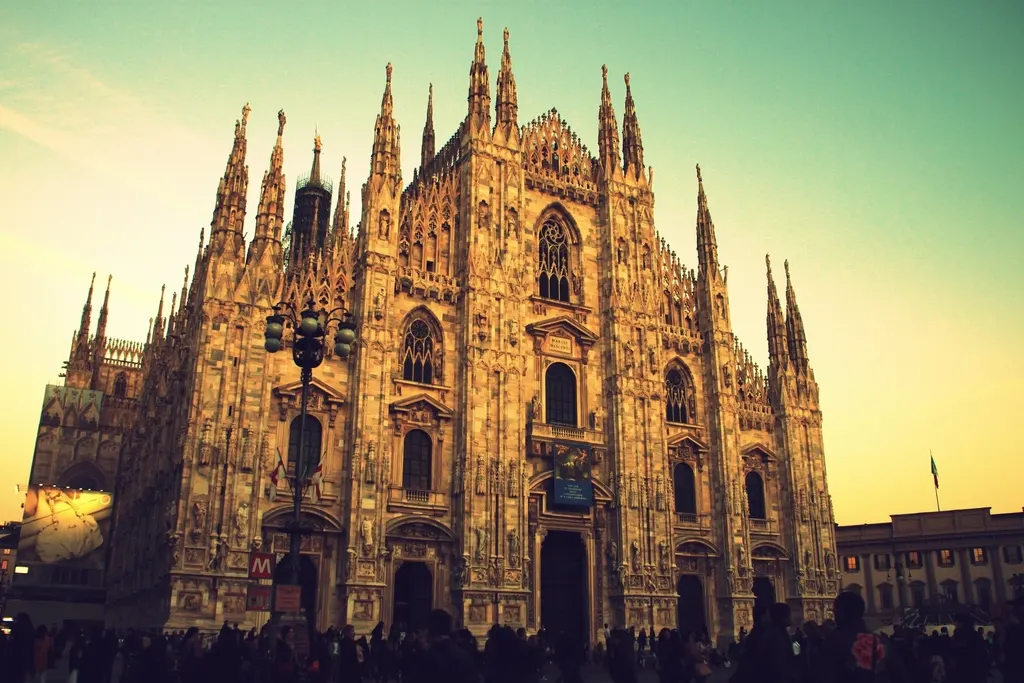
Milan Cathedral, built in 1386, dominates the central piazza with its Gothic spires and expansive facade. The building is best explored in the morning when light enters through the stained glass windows. November suits this visit because cooler air outside makes the interior feel warmer by comparison, and the thinner crowds allow for a more contemplative experience around the nave and crypt.
Sforza Castle, built in 1360, stands as a medieval fortress with courtyards and museums inside. The castle grounds are pleasant to walk in cooler weather, and the inner collections offer shelter from rain. Santa Maria delle Grazie, built in 1401, houses Renaissance art including significant works that draw visitors for their historical weight rather than sheer size.
La Scala, opened in 1778, is an opera house with a storied interior and a museum dedicated to performance history. November is a practical time to attend a performance or take a tour, as the season is underway and tickets are more available than during popular spring dates. The Galleria Vittorio Emanuele II, opened in 1867, provides a grand covered arcade for browsing and sheltering from rain. The arcade connects key shopping streets and offers high ceilings that feel expansive even on a grey day.
Pinacoteca di Brera, opened in 1776, is an Italian national museum with a strong collection of paintings from the Italian Renaissance onward. Its location in a historic palazzo makes it a solid choice for rainy afternoons when outdoor sightseeing loses its appeal. Three to five of these sites offer enough variety to fill several days without overloading an itinerary.
How to Plan the Days
With only 9.3 hours of daylight and 137 millimetres of rain to contend with, pacing becomes important. Mornings often start cool and damp, so outdoor sightseeing works well from mid-morning onward when the air warms slightly. Evenings come early, which means dinner and indoor cultural activities suit the late afternoon hours better than attempting outdoor walks after dark.
A balanced approach mixes indoor and outdoor attractions each day. Start with a museum or church in the morning, break for a long lunch, then tackle an outdoor site like the cathedral or castle in the early afternoon before the light fades. Save the evening for a performance, a restaurant, or a walk through a covered space like the Galleria. This rhythm respects both the rain patterns and the daylight limits.
Rain arrives without consistent warning, so carrying a compact umbrella proves essential. Pavements can be slick and uneven in places, so sturdy footwear matters more than stylish shoes. Visitors who plan indoor backups for outdoor sites avoid the frustration of a wet day with no alternatives lined up.
Practical Notes
The local currency is the euro. Most hotels, restaurants, and shops accept major credit cards, though smaller vendors may prefer cash. Currency exchange desks operate at the airport and in central locations. Visitors from outside the eurozone should check their bank's foreign transaction fees before relying heavily on card payments.
The primary language spoken is Italian. In tourist areas and major hotels, staff often speak English, but making an effort with basic Italian phrases goes a long way. A polite greeting or thank you in Italian is well received and makes interactions smoother in shops and restaurants where English is less common.
Dressing for November means layering. A warm coat, a scarf, and comfortable walking shoes form the foundation. A water-resistant outer layer handles both rain and wind. Gloves and a hat provide warmth during early mornings and after sunset. Indoor spaces, including museums and restaurants, are heated, so layers that can be removed indoors prevent overheating.
What to pack
- A warm, water-resistant coat that handles rain and wind
- Layers including a fleece or sweater for indoors
- Comfortable, waterproof walking shoes
- A compact umbrella that fits in a day bag
- A scarf and light gloves for cooler mornings and evenings
Questions
Is November a good time to visit Milan's outdoor attractions?
November works for outdoor sites if you go mid-morning through early afternoon and dress for rain. The cooler temperatures and reduced crowds make it manageable, but wet weather requires indoor backups.
Will All Saints Day on November 1st affect my visit?
Some shops, museums, and businesses close or reduce hours on November 1st. Checking venue schedules in advance prevents wasted trips, especially for smaller establishments.
How cold does it get in Milan during November?
Daytime highs average 12 degrees Celsius, which is 54 degrees Fahrenheit, and evening lows drop to around 5 degrees Celsius, which is 41 degrees Fahrenheit. Layering handles both comfortably.