Munich in November
19 October 2026, 3 min read
November is a quiet, grey month that suits visitors who want to explore museums and eat well without fighting crowds. The lack of public holidays means few closures, but the limited daylight and rain require careful planning.
The Weather
In November Munich sits at 7 degrees Celsius during the day and drops to 0 degrees Celsius at night. That puts it firmly in cold territory, though it is not the coldest month of the year. January, the coldest month, averages just 2 degrees Celsius, so there is still some descent to come. The hottest months are July and August sit at 23 degrees Celsius, making November noticeably colder than peak summer. You will feel that difference immediately.
The rain total of 62 millimetres sounds modest, but it falls across a damp month rather than in dramatic storms. Humidity sits at 90 percent, which means fog, mist, and the kind of damp cold that settles into your bones. Daylight stretches to about nine hours, so mornings stay dark and afternoons fade early. Pack accordingly and plan outdoor sightseeing for the middle of the day.
The Mood of the City
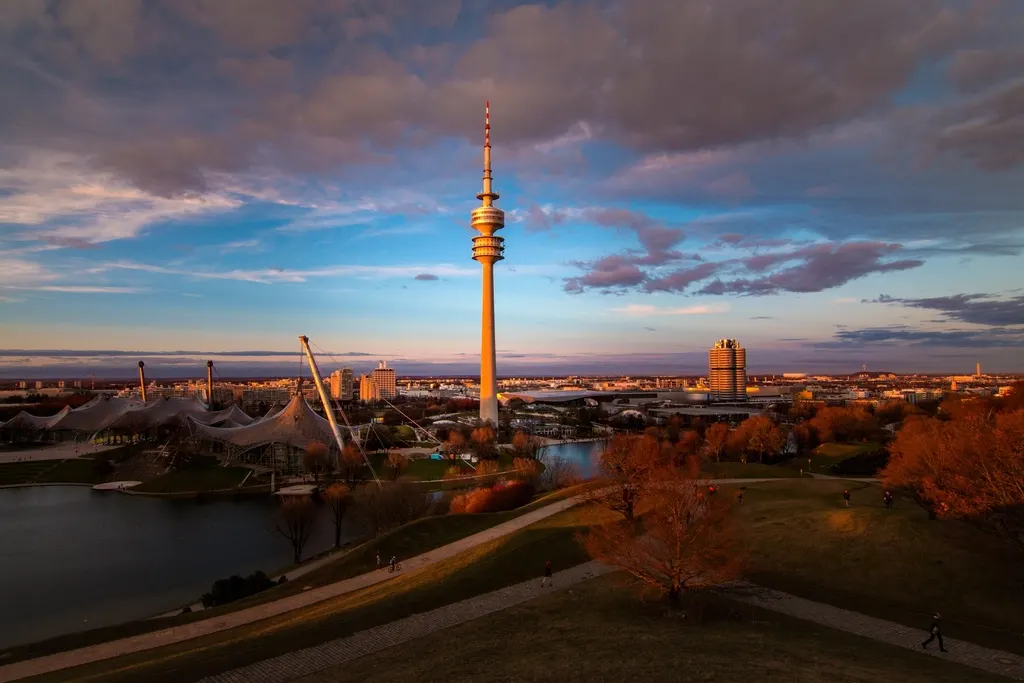
November strips Munich back to its quieter self. The summer and autumn crowds have gone, the Christmas markets have not yet started, and the streets around Marienplatz feel almost peaceful. There are no public holidays listed for November in the city calendar, which means no unexpected closures to work around. Shops and restaurants operate on their normal hours.
The city is not asleep, but it is definitely slowing down. This is a month for long dinners, warm beer halls, and the particular pleasure of walking through the Englischer Garten in crisp, damp air. The light is flat and grey for much of the day, but when the sun breaks through it catches the trees in a way that makes the park look entirely different from August.
What to See
The Deutsches Museum, opened in 1903, is a technology museum with vast galleries covering aircraft to mining to musical instruments. November is a good time to spend a full day there because every gallery is indoors and the collection rewards several hours of wandering.
Nymphenburg Palace, built in 1664, is a secular building that houses art and natural history collections across a sprawling complex. The interior galleries keep the cold out, and the palace grounds are worth a brief walk even in November if you carry a warm drink. The Glyptothek, opened in 1830, is an architectural heritage monument directly opposite the art museums. Its classical facades look striking in grey light, and the sculptures inside are a natural fit for a rainy afternoon.
The Alte Pinakothek, opened in 1836, holds a broad survey of European painting from the 14th to 18th centuries. Its layout encourages long, unhurried visits, which suits November's slow pace. If you want to contrast it, the Neue Pinakothek, opened in 1853, is nearby and covers art from a later period. Both are walkable from the city centre on dry days and make sense as a pair.
Planning Your Days
With nine hours of daylight, mornings matter most. Start outdoor sightseeing in the morning to make use of the light, save indoor attractions for the afternoon, and expect early darkness. The narrow window means you cannot do everything in one day, so pick one outdoor sight in the morning and one or two indoor ones after midday.
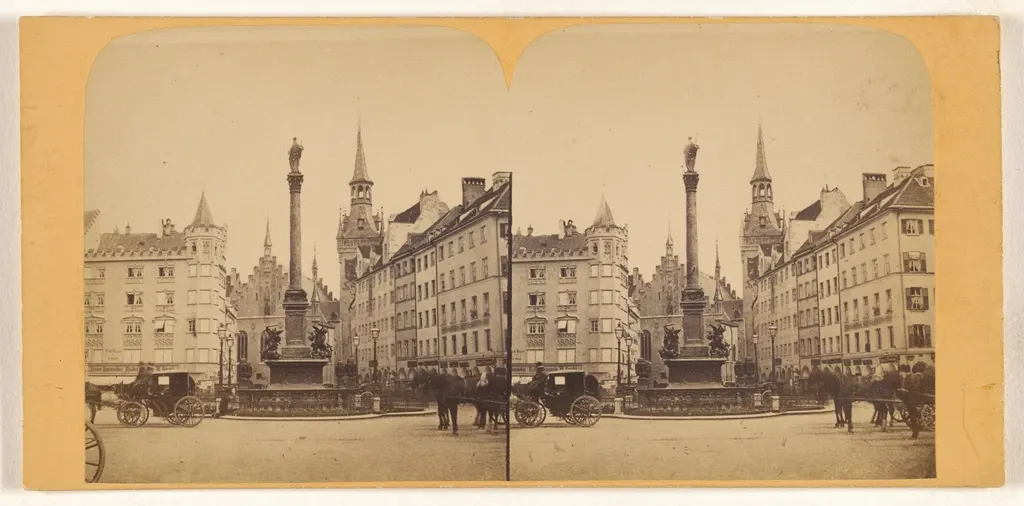
November rain will not stop you, but it will slow you down. Waterproof boots and a coat with a hood are more useful than an umbrella in Munich's wind. If a morning turns wet, swap the Englischer Garten for Marienplatz, where the New Town Hall, opened in 1909, and the Frauenkirche, opened in 1401, are close together and easily reached from a coffee shop. Pace yourself across several days rather than trying to fit too much into each one.
Practical Notes
Munich uses the euro. Most shops, restaurants, and transport accept cards, but carrying some cash for smaller establishments is sensible. The local language is German. In tourist areas, staff often speak English, but learning a few phrases in German is appreciated and makes everyday interactions easier.
For November, layer a warm base, a midlayer fleece or sweater, and a waterproof outer shell. Temperatures hover around freezing, so thermal underlayers are not unreasonable for cold-sensitive visitors. Gloves and a hat are worth carrying even if the morning starts mild. Sturdy walking shoes with good grip will serve you on wet cobblestones and damp park paths alike.
What to pack
- Waterproof jacket with a hood for rain and wind
- Warm layers including a fleece or sweater
- Gloves and a hat for temperatures around 0 degrees Celsius
- Sturdy waterproof boots with good grip
- A small day bag to carry layers as the day warms slightly
Questions
Is November a good time to visit Munich?
Yes if you enjoy quiet cities and want to focus on museums, food, and indoor culture. No if you need warm weather or long daylight hours.
Does it snow in Munich in November?
Snow is possible but not guaranteed. Temperatures hover around 0 degrees Celsius, so rain is more common than snow.
Are attractions still open in November?
Yes. There are no listed public holidays for November, so most museums and sites operate on their standard schedules.