








Dry, chapped lips can strike at any time, but they’re especially common in the winter. And if, despite your best efforts, it feels impossible to stop the uncomfortable, flaky—and sometimes painful—cycle of lip dryness this season, you’ve come to the right place.
We spoke with two board-certified dermatologists about the habits that help prevent chapped lips, the ingredients to avoid when shopping for lip balm and what to swap in if your current go-to isn’t cutting it.
Featured Experts
The Causes of Chapped Lips
To get rid of chapped lips for good, it helps to understand what causes them in the first place. “Lips lack oil glands, so they are unable to retain moisture the way facial skin can,” explains Southlake, TX dermatologist Janine Hopkins, MD. As a result, the hallmarks of winter—colder temperatures, low humidity, wind exposure and indoor heating—can easily disrupt the delicate lip barrier, leading to dryness, cracking and inflammation.
But weather isn’t the only culprit. Dr. Hopkins notes that certain ingredients in lip and dental products, frequent lip licking, excessive exfoliation and allergies can all worsen symptoms. Miami dermatologist Anna Chacon, MD adds that some medications and underlying skin conditions are also common contributors to chronic lip dryness.
When Lip Balms Make Chapped Lips Worse
We’re right in the thick of lip balm season, but not all formulas are created equal. In fact, some can actually suck the moisture from your lips. “Some lip products create a temporary sensation of relief by stimulating nerve endings, but they do not actually repair the skin barrier,” says Dr. Hopkins. She flags menthol, camphor, peppermint, fragrances, flavoring agents (including citrus and cinnamon), alcohols and salicylic acid as ingredients to avoid, and also recommends limiting traditional lipsticks—especially long-lasting formulas—when lips are already dry.
Dr. Chacon adds that overusing products with these ingredients can lead to temporary relief followed by “rebound dryness,” leaving lips feeling even more parched over time.
Ingredients to Look for in Barrier-Supporting Lip Balms
A moisturizing lip balm applied consistently throughout the day (and before bed) can make all the difference to help reduce inflammation and heal compromised lips while preventing further moisture loss. Dr. Hopkins and Dr. Chacon recommend looking for the following ingredients in your lip balms:
SPF Is Crucial for Lips, Too
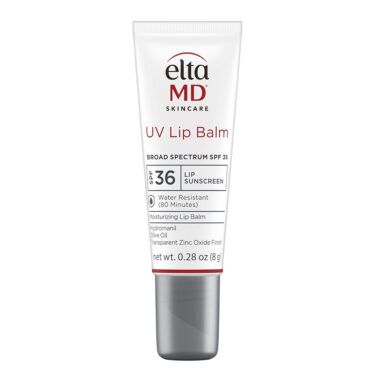
Even if you’re spending less time outdoors in winter, Dr. Chacon emphasizes protecting lips from UV exposure year-round. “Consistent SPF use on the lips is key, as sun damage often worsens dryness and cracking—particularly in the winter months,” she explains.
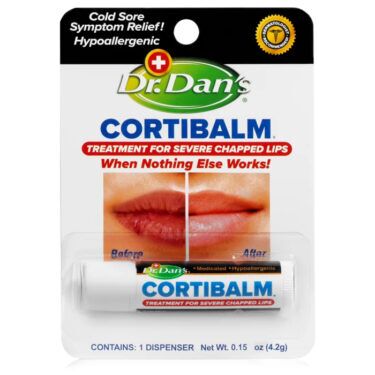
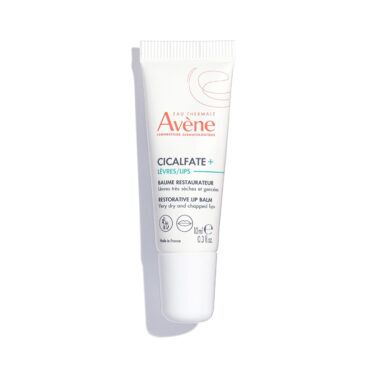
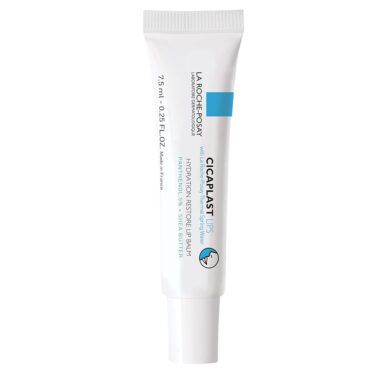
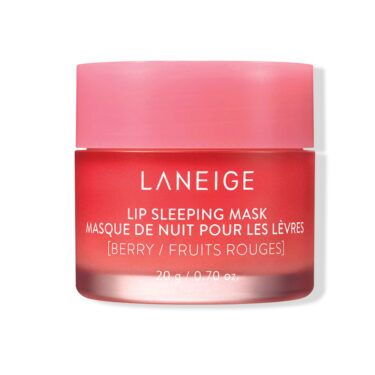
Dermatologist-Recommended Lip Balms
/
/
/
/
/
/