






For many people, skin care can feel intimidating, especially when it comes to product layering. But the effectiveness of your routine isn’t about how many steps you use or how much you spend; it’s about applying products in the right order so they can actually do their job.
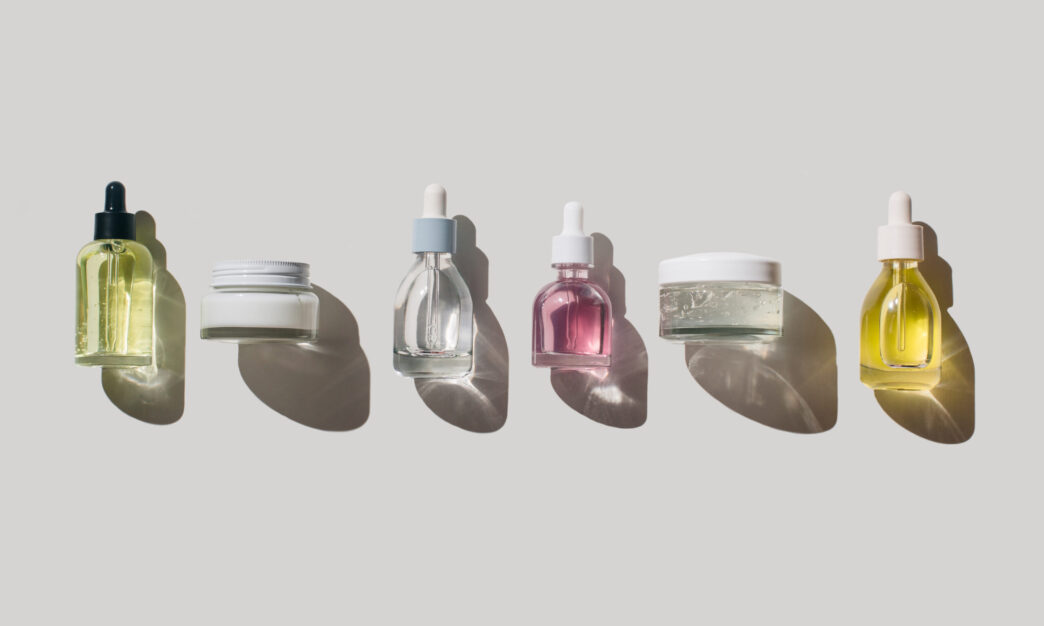
The good news: There’s a simple framework to follow. “The general rule is to go from thinnest to thickest,” says Chapel Hill-based dermatologist Sue Ellen Cox, MD— meaning lighter, fast-absorbing products first, followed by richer creams and oils. Long Island dermatologist Kally Papantoniou, MD, explains that different skin-care products are designed to absorb at different rates. “If you apply a heavier product first, there’s a good chance it can block lighter or active ingredients from penetrating properly,” she says. When applied in the correct sequence, products are better able to deliver their intended benefits. New York dermatologist and Mohs surgeon Tiffany Jow Libby, MD, adds that proper layering also helps ensure active ingredients, like retinol, are delivered effectively without over-irritating the skin barrier.
This framework applies to both morning and evening routines, with one key difference: Morning routines focus on hydration and protection, while evening routines are designed to treat and repair. That’s why your final step in the morning should always be SPF, which helps protect against UV damage that can break down collagen and elastin.
If you’re feeling overwhelmed, keep scrolling for a step-by-step guide that makes layering skin-care products clear and manageable.
How to Layer Skin-Care Products, Step by Step
Step One: Cleanse Skin
Every expert we spoke to agrees: Start with a cleanser. A clean slate ensures everything that follows works as intended. Some experts recommend double cleansing, which simply means starting with an oil-based cleanser to break down makeup and sunscreen, then following with a water-based cleanser to wash everything away.
Step Two: Apply Actives
Once you’ve patted skin dry, Southlake, TX and Monroe, LA dermatologist Janine Hopkins, MD says it’s time to apply actives. This is where treatment products that actually change the skin come into play, explains Houston dermatologist Jennifer Segal, MD. “At night, this is usually corrective, such as alphahydroxy acids (AHAs) or Retin-A, which increase cell turnover and gently exfoliate, or pigment-lightening agents such as arbutin or hydroquinone. In the morning, the active should be protective and is typically an antioxidant.”
Washington D.C. dermatologist Tina Alster, MD explains that applying an active product like vitamin C or retinol as the second step in your routine guarantees “optimal absorption and effectiveness on clean skin.” This is also a good step to apply hyaluronic acid serum if you need a hydrating boost, says Dr. Hopkins.
Step Three: Add Eye Cream
Next, Dr. Alster says it’s time for an eye product if you have one in your routine. She recommends keeping active products away from the immediate eye area to avoid irritation. Products applied slightly lower, along the cheekbone, will still migrate to the under-eye area without being as irritating.
Step Four: Apply Prescription Products as Needed
If you use prescription products, Dr. Hopkins says this is the time to get them in the mix. However, she advises that if you’re applying a prescription retinoid, wait 20 minutes between the second or third step and this step.
Because nighttime routines often include more than one targeted product, prescription placement can vary depending on the formula. “If your routine includes prescription topicals, they may be applied earlier in the routine so they can absorb properly and work as intended,” says Dr. Cox. When in doubt, the best approach is to follow your dermatologist’s instructions, since prescription products are often tailored to your specific skin needs.
Step Five: Moisturize
For step five, grab your favorite moisturizer. “Moisturizer is important for maintaining the skin barrier, especially in the setting of corrective products such as AHAs or retinol, which have the potential to irritate the skin,” notes Dr. Segal. In the morning, you can use a gentle, hydrating formula, and if you’re looking for more intense hydration, you can lather on a rich recovery cream at night, suggests Dr. Hopkins.
Step Six: Apply Sunscreen
Experts agree this daytime step is crucial. Without it, the rest of your routine falls short. Dr. Alster says SPF should be the last application before makeup. Sunscreen is especially important when using actives and retinol since skin can become more sensitive and prone to damage.