






 1 / 8
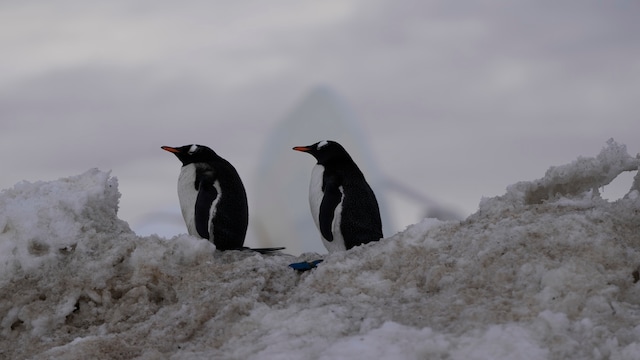
1 / 8Antarctica | The coldest region on the planet, officially recognized by the World Meteorological Organization, recorded a staggering –89.2°C at Vostok Station in 1983. While travelers may not frequent these inland research facilities, cruise excursions to the Antarctic Peninsula provide a milder glimpse of the continent’s extremities, with summer temperatures ranging from –5°C to 5°C. Guests can sail among towering icebergs, stroll through penguin colonies, and observe seals sunbathing on icy shores, all set in a landscape that feels like the brink of the world. (Image Source: AP)
 2 / 8
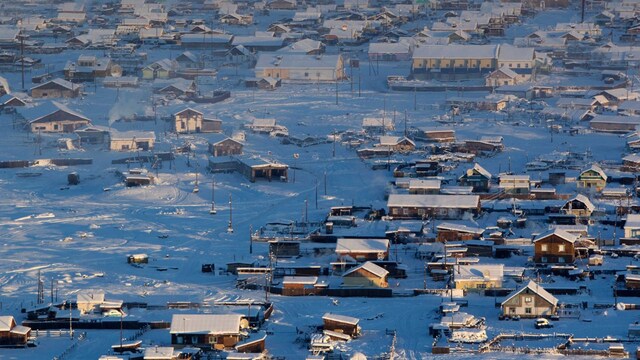
2 / 8Oymyakon, Russia (Sakha Republic) | Recognized as the coldest permanently inhabited location on Earth, Oymyakon’s verified lowest temperature is –67.7°C, recorded in 1933. In deep winter, average temperatures hover around –45°C to –50°C. Further to the west, cities like St. Petersburg transform into enchanting winter wonderlands, while Lake Baikal — the deepest lake globally — freezes into a thick crystalline surface ideal for skating, dog-sledding, and winter festivities. (Image source: Reuters)
 3 / 8
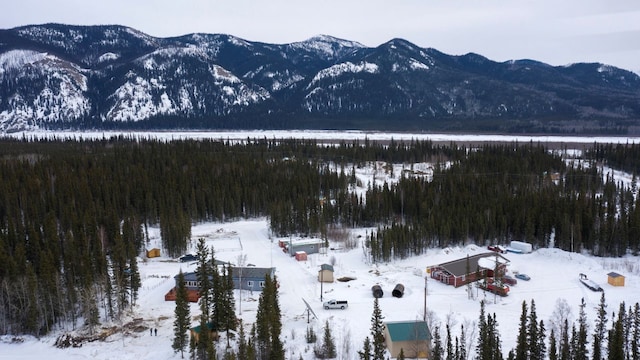
3 / 8Canada | Holding the record for the coldest temperature ever documented in North America at –63°C in Snag, Yukon, in 1947, Canada attracts visitors who seek adventure through dog-sledding in the Yukon, ice-fishing on frozen waters, or skating on Ottawa’s Rideau Canal, which is famed as the world’s largest naturally frozen skating rink. The northern territories frequently offer stunning aurora displays on clear winter nights. (Image Source: Reuters)
 4 / 8
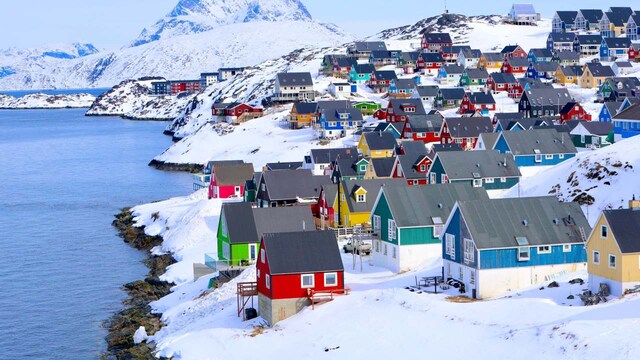
4 / 8Greenland | Despite its name, Greenland is mostly covered in ice. It has the lowest reliably measured temperature in the Northern Hemisphere at –69.6°C, recorded at an automatic weather station in December 1991 (approved by the WMO). Travelers generally favor the milder coastal towns like Ilulissat, known for its UNESCO-listed Icefjord. Winter excursions provide iceberg cruises, fjord hiking, dog-sledding trails, and the rare chance to spot whales in serene Arctic surroundings.
 5 / 8
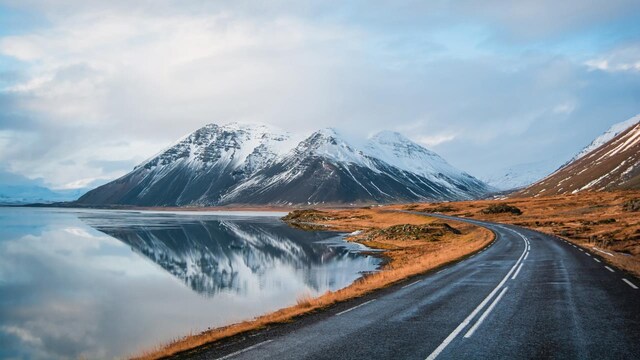
5 / 8Iceland | Iceland’s winter climate is often milder than that of its Arctic counterparts, typically averaging between 0°C and –10°C in populated areas; however, its icy terrains are among the most stunning globally. Dubbed the “land of fire and ice,” it harmonizes active volcanoes with massive glaciers like Vatnajökull, the largest in Europe. From November to March, explorers can discover natural crystal ice caves and relax in geothermal pools, such as the renowned Blue Lagoon, frequently illuminated by the northern lights. (Image: Shutterstock)
 6 / 8
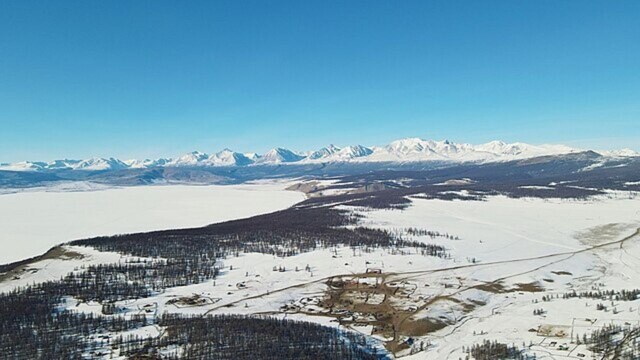
6 / 8Mongolia | The harsh winters in Mongolia, characterized by its continental climate, often see temperatures plummeting below –30°C in the northern and central regions, with extreme lows approaching –40°C. Yet, the wintry steppes exhibit a surreal beauty. Tourists can engage with nomadic herders, participate in traditional winter celebrations, ride camels across the Gobi Desert, or relax in natural hot springs favored by locals even in snow-covered conditions.
 7 / 8
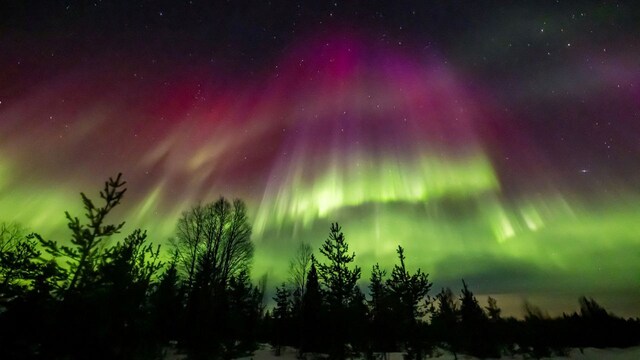
7 / 8Finland (Lapland) | In Finnish Lapland, winter temperatures routinely drop between –20°C and –35°C, particularly inland. This Arctic area is renowned for its reindeer and husky safaris, stays in glass igloos, and pristine snow-covered woods. The Northern Lights grace the skies here for about 200 nights each year, providing an excellent opportunity for visitors to witness the auroras from cozy cabins or frozen lakes. Rovaniemi’s Santa Claus Village adds a whimsical touch to the polar chill. (Image Source: Reuters)
 8 / 8
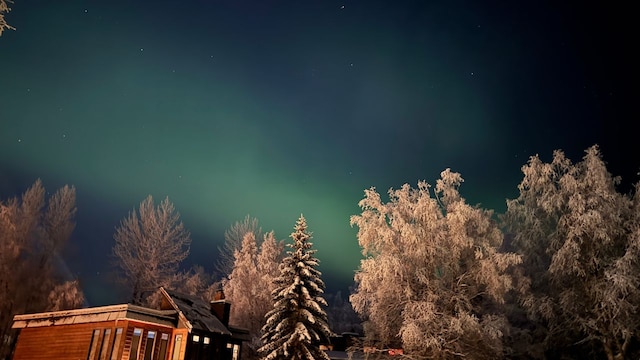
8 / 8Denali, Alaska, USA | Denali, the highest mountain in North America, overlooks one of the chilliest national parks in the country. The lowest record at Denali Park headquarters is –54°F (–47.8°C), while higher altitudes often experience far worse, albeit less consistently documented, conditions. Winter adventurers traverse the park’s snow-covered valleys, spotting moose and caribou against vast white backdrops, and enjoy some of the clearest night skies in Alaska. (Image Source: AP)