





 1 / 9
1 / 9Situated above the Arctic Circle and beneath the Antarctic Circle, winter introduces the polar night, a captivating natural occurrence where the sun remains hidden for days or even months. This phenomenon arises from the tilt of the Earth’s axis, preventing high-latitude regions from receiving sunlight during winter. The extended hours of darkness influence the local life, cultural practices, and seasonal transitions in these isolated areas. (Image: Canva)
 2 / 9
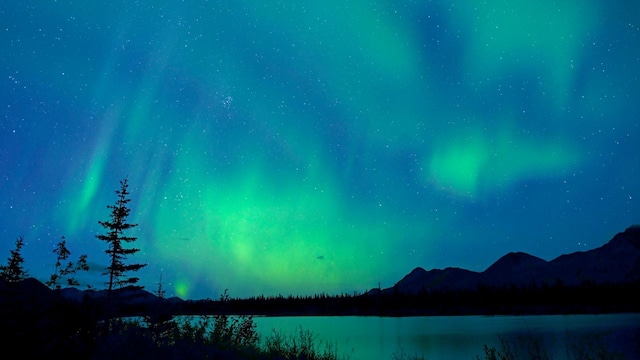
2 / 91. Utqiaġvik, Alaska (USA): In Utqiaġvik, the northernmost town in the United States, the sun sets in mid-November and doesn’t rise again until late January, leading to approximately 64 days without direct sunlight. During this period, residents enjoy a prolonged twilight and the stunning aurora borealis shimmering in the night sky. Despite the frigid temperatures, the soft glow of civil twilight and moonlight aids daily living. (Image: Canva)
 3 / 9
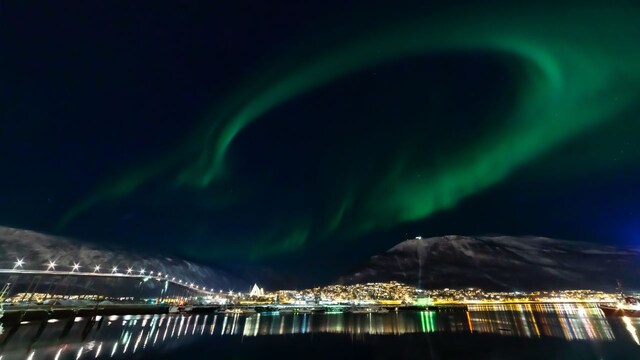
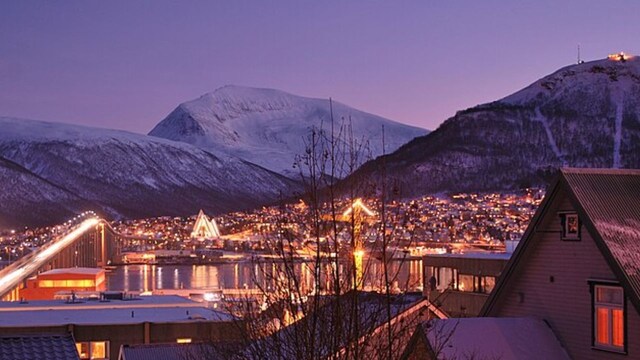
3 / 92. Tromsø and Svalbard, Norway: In northern Norway, places like Tromsø and the remote archipelago of Svalbard lie well above the Arctic Circle, experiencing winter months where the sun never rises. In Svalbard, the polar night can persist for almost four months, enveloping the landscape in deep darkness lit only by auroras and starlight. These lengthy nights transform frozen fjords and snow-covered peaks into stunning backdrops for winter exploration. (Image: Wikimedia Commons)
 4 / 9
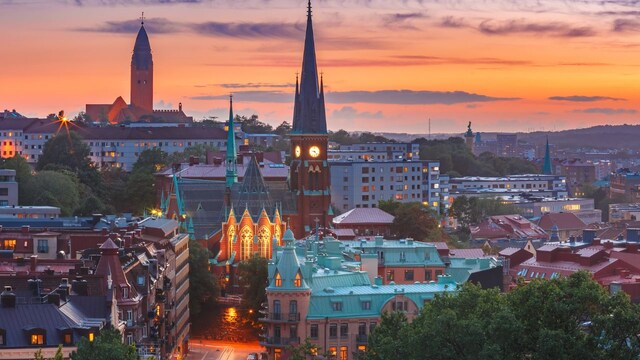
4 / 93. Northern Sweden: In Sweden’s northernmost regions, towns such as Kiruna experience significant seasonal darkness as part of the polar night. While the sun is obscured, the sky often showcases beautiful twilight shades and frequent northern lights displays. This stark winter contrast creates a tranquil, snow-covered environment that’s quite distinct from areas at lower latitudes. (Image: Canva)
 5 / 9
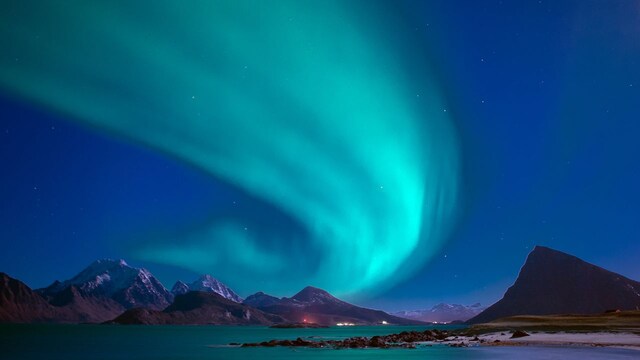
5 / 94. Finnish Lapland: In Finland’s Lapland, certain areas experience minimal or no daylight during the winter months, with the sun seldom appearing above the horizon. Regions close to the Arctic Circle witness polar nights that transition into limited twilight hours, creating a subtle, pearlescent glow during the day. Visitors often combine these dark periods with aurora spotting, dog sledding, and snowy adventures beneath star-studded skies. (Image: Canva)
 6 / 9
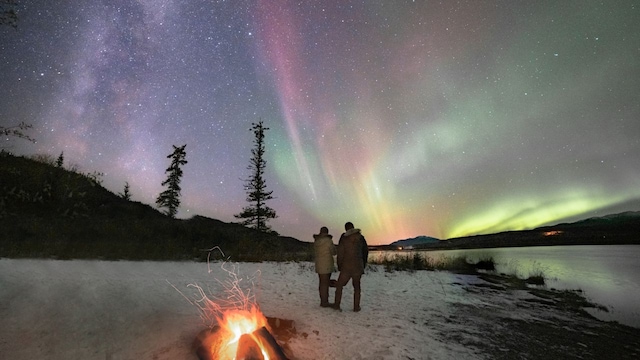
6 / 95. Northern Canada: Communities in northern Canada, particularly in the Yukon, Northwest Territories, and Nunavut, contend with several weeks of continuous darkness during winter. Direct sunlight is mostly absent except for brief twilight moments, presenting both a challenge and an appeal for adventurous travelers. Despite the severe cold and protracted nights, indigenous Inuit culture and traditions thrive in these harsh conditions. (Image: Canva)
 7 / 9
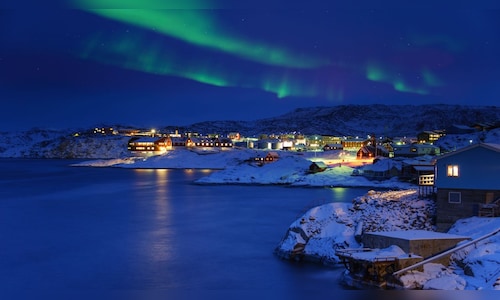
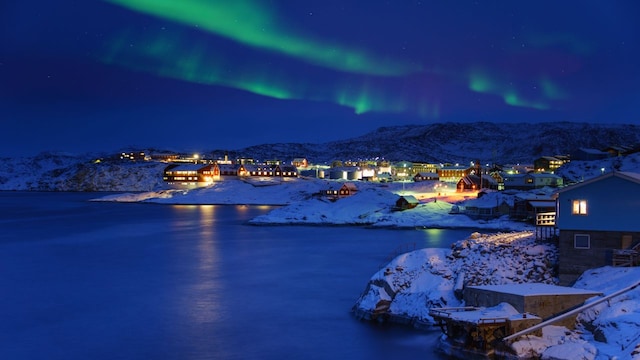
7 / 96. Greenland’s polar darkness: The high Arctic regions of Greenland witness a genuine polar night, with the sun remaining beneath the horizon for extensive periods from late November to mid-January. Snow and ice reflect the scarce ambient light, producing haunting blue twilight experiences around midday. The extended hours of darkness also create optimal conditions for witnessing the northern lights. (Image: Canva)
 8 / 9
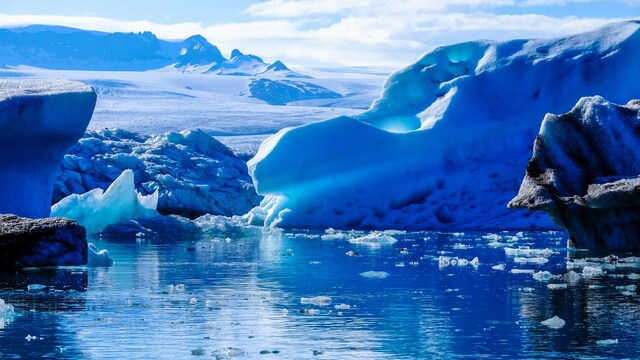
8 / 97. Antarctica’s long winter night: At the South Pole and across much of Antarctica, the polar night can extend for six months, with the sun setting from autumn until spring. Research stations and wildlife habitats endure the prolonged darkness until the return of continual daylight during the summer months. This extreme cycle shapes life on the icy continent, where darkness and light dictate the rhythms of the seasons. (Image: Canva)
 9 / 9
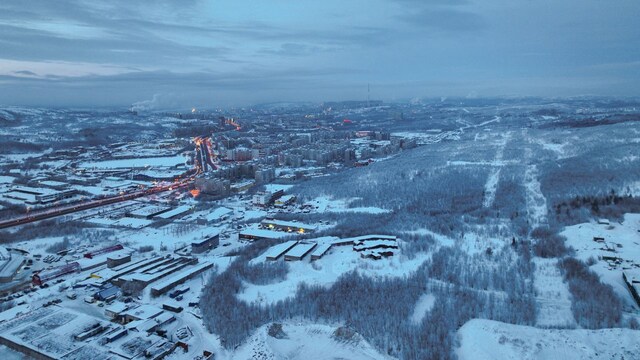
9 / 98. Russia’s polar night: In northern Russia, including cities like Murmansk and Norilsk, the winter months bring a lengthy polar night where the sun stays hidden for weeks. Murmansk experiences nearly 40 days of darkness, while Norilsk faces even more extensive periods without sunlight. During this time, daily activities continue under a sky filled with twilight, illuminated by streetlights and the frequent allure of the northern lights. (Image: Canva)