





This decision was reached unanimously by the Raj Jat committee during a meeting in Karnaprayag, Chamoli district, as reported by news agency PTI.
Raj Jat committee chairman Rakesh Kunwar announced the delay, stating that the pilgrimage, initially set for August–September of this year, will now be held next year. “The decision has been taken unanimously,” Kunwar confirmed.
The Nanda Devi Raj Jat yatra occurs once every 12 years, navigating through snow-covered Himalayan summits and alpine pastures, stopping at over 22 sites. It is considered the longest and most strenuous foot pilgrimage in the area, last conducted in 2014.
Weather and infrastructure challenges
Kunwar noted that the auspicious dates for this year’s pilgrimage fall on September 19–20, a time when conditions in the high Himalayas are particularly severe.
“At this time, there’s a risk of hail, snow, and rain, temperatures drop significantly, and essential infrastructure in still uninhabited territories remains unfinished,” he stated according to PTI.
Read more: Western disturbances to bring rain and snow to Jammu and Kashmir, Ladakh, Himachal
“In such circumstances, conducting the Nanda Devi Raj Jat yatra safely did not seem feasible, hence the postponement,” he added.
Next steps for 2027 yatra
Preparations for the 2027 pilgrimage will kick off on January 23, in conjunction with Basant Panchami.
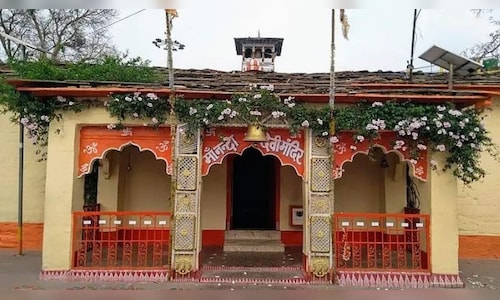
Chairman Kunwar mentioned that a ceremonial vow will be made in Nauti village, where the royal prince from Kansuwa village in Garhwal will offer prayers at the Shri Nanda Devi Temple and announce the schedule based on astrological considerations.
He further noted that no official timetable had been established for this year, as it was meant to adhere to traditional rituals on Basant Panchami.
Wildfires and environmental stress in Nanda Devi region
The postponement occurs alongside increasing environmental stress within the Nanda Devi Biosphere Reserve.
Forest fires have started unusually early this winter due to insufficient snowfall and low rainfall, making forests dry and highly susceptible to flames, according to a report by India Today.
Read more: Vande Bharat Sleeper flagged off: Features, route, timings and more
Environmental experts are urging action against this trend, emphasizing the necessity to enhance surface soil humidity through interventions like water holes and trenches. The fires have intensified concerns regarding ecological vulnerability in the region, providing further context for the cautious stance taken regarding the pilgrimage.