





The rule was incorporated through amendments published on Monday. Officials are slated to inform lawmakers, yet these provisions have already attracted attention—particularly from travellers with personal or work devices.
Implications of the new password regulation for travellers
For travellers, this regulation indicates increased scrutiny of digital devices related to national security concerns.
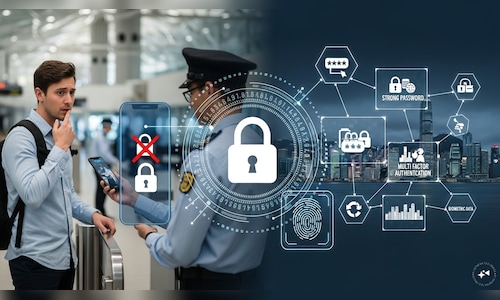
Under the revised framework, Hong Kong police can demand that individuals under investigation supply passwords or technical assistance for accessing electronic devices, including phones, laptops, and other storage media.
Failure to comply may lead to penalties of up to one year in prison, accompanied by a fine.
Providing inaccurate information could result in even harsher penalties; authorities indicate that this may lead to a three-year imprisonment term and a higher financial penalty.
The directive is not confined to just the device owner. Anyone believed to possess knowledge of the password—including former users or individuals with access—may also be mandated to assist.
Expanded powers for authorities
The amendments extend beyond mere access to devices. Customs officials now possess broadened authority regarding national security cases, including the ability to freeze or confiscate assets linked to alleged offenses.
Additionally, changes have been made regarding how ‘foreign agents’ are managed. The maximum penalty for failing to comply with information requests has been raised to a year of incarceration.
Under the law, a foreign agent is defined as an individual acting on behalf of foreign governments, political organizations, or specific international entities.
Moreover, a new legal avenue has been established; individuals categorized as foreign agents can petition a court to contest or amend data requests.
Context and legal framework
These changes are a response to a decision by Hong Kong’s highest court last year, which annulled convictions tied to a national security data request due to inadequate evidence and questions related to fair trial rights.
Authorities assert that these amendments remedy the deficiencies identified in that particular case.
A government representative commented that the updated rules ‘merely enhance’ enforcement powers and are still in alignment with the Basic Law and human rights safeguards. The statement emphasized that “law-abiding individuals will not inadvertently breach the law.”
Practical implications
The law is not intended for everyday checks. However, the enhanced powers mean that access to personal information can be legally mandated under specific circumstances.
These alterations are part of Hong Kong’s broader national security framework established in 2020—a system that authorities argue maintains stability, while critics continue to question its extent.