
Distinction Between Passport and Citizenship | Although a passport and citizenship are often perceived as equivalent, they are, in fact, distinct. A passport is a travel document provided by the government, whereas citizenship delineates an individual’s legal standing with a nation.
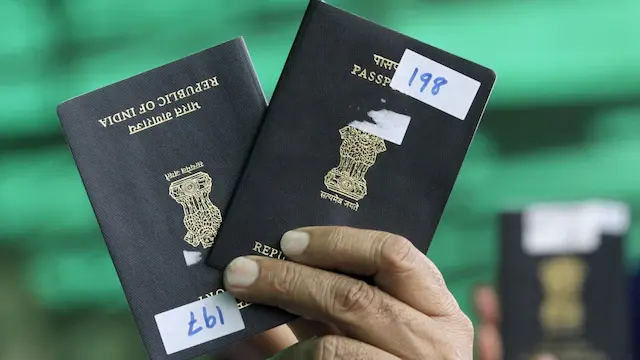
India’s Perspective: Passport May Not Define Citizenship | In India, a passport is recognized as a crucial identity and travel document, yet citizenship is regulated separately under Indian law. Factors influencing citizenship include birth, descent, registration, naturalization, and official verification.

Separation of Passport and Citizenship in Nations | Countries maintain distinct regulations for passports and citizenship because travel identity and legal nationality cater to different needs. Citizenship outlines rights and obligations, while passports primarily facilitate international travel.

India’s Citizenship Laws Extend Beyond Just a Passport | According to Indian citizenship regulations, a passport may indicate that a document was issued by India; however, the citizenship status can involve additional legal aspects and records depending on specific situations. (Image: Canva)
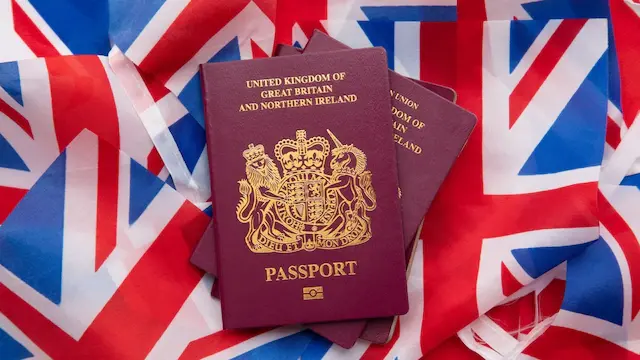
UK: Nationality Laws Dictate Citizenship Status | In the United Kingdom, passports are distributed in accordance with nationality, while issues related to citizenship are resolved through nationality legislation. Factors such as birth, lineage, immigration status, and registration contribute to this process. (Image: Canva)
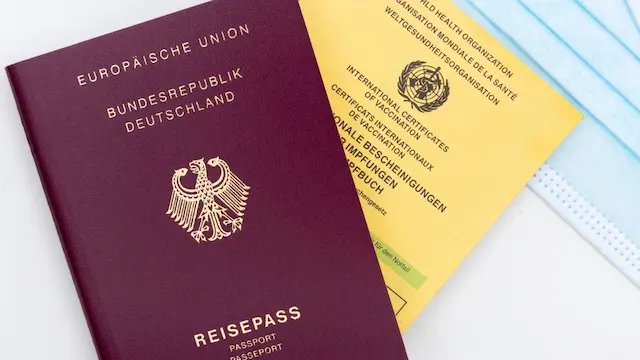
Germany: Citizenship Determined by Legal Framework | Germany employs comprehensive rules regarding nationality for determining citizenship. Although a passport is vital, citizenship questions may hinge on official documentation and legal stipulations concerning the acquisition or maintenance of nationality. (Image: Canva)
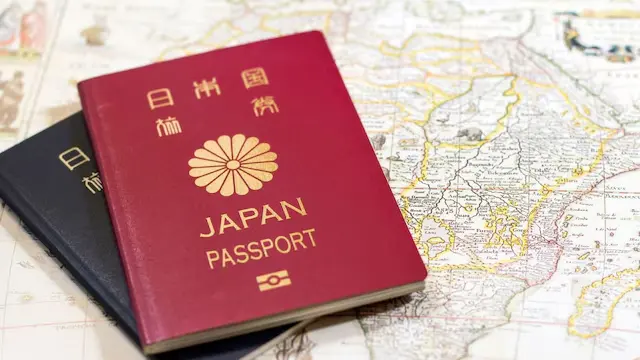
Japan: Distinct Regulations for Passport and Nationality | Japan’s nationality framework rests on its citizenship laws. A passport facilitates international travel, while the nationality rules govern legitimate recognition as a Japanese citizen. (Image: Canva)

Complexities of Dual Citizenship | Individuals connected to multiple countries may encounter intricate citizenship dilemmas. Holding a passport from one nation does not automatically define how another nation recognizes an individual’s nationality or legal position.
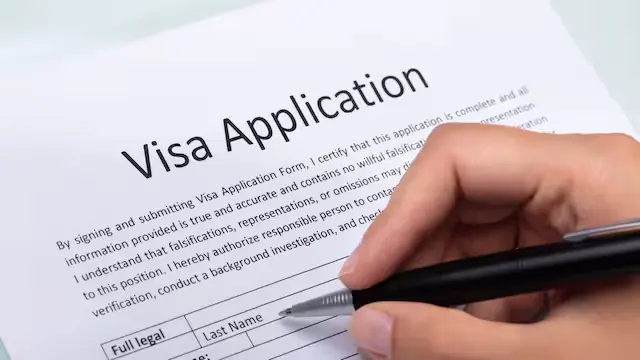
When Do Passport and Citizenship Issues Arise? | The distinctions between a passport and citizenship become crucial during immigration processes, visa applications, nationality controversies, and governmental verification where additional documentation may be requested. (Image: Canva)

Is It Possible to Be a Citizen Without a Passport? | Certainly. Citizenship exists independently of whether an individual possesses a passport. Many citizens who refrain from international travel may not hold a passport but still enjoy all the rights and duties linked with citizenship. Image: Canva)