Cape Town in November
7 October 2026, 4 min read
November is a solid choice for visitors who want warm weather and extended daylight. It suits outdoor-focused travellers who prefer manageable crowds over peak-season density.
What the Weather Is Really Like
November marks the transition into Cape Town's warmest months. Daytime temperatures reach 30°C (86°F) on average, while overnight lows dip to around 12°C (54°F). The city sits at just 5 metres above sea level, so coastal breezes can make evenings feel noticeably cooler than the thermometer suggests. Humidity climbs to 78 percent, adding a slightly sticky quality to the air, particularly in the mornings and early afternoons. Compare this to the peak summer months of January and February, when temperatures regularly climb to 34°C (93°F), and you will find November offers warmth without the most intense heat. In winter, July brings daytime highs of only 20°C (68°F), making November roughly 10°C warmer than winter afternoons. The 13.8 hours of daylight give you plenty of time to pack activities into each day, though the strongest sun comes during the middle hours when temperatures peak.
What the Month Feels Like in the City
Walking through the city in November, you will notice the atmosphere shifting as locals and visitors take advantage of the warming weather. Street cafés spill onto pavements, and the waterfront areas draw crowds as the evening light stretches toward sunset. Rainfall remains modest at 30mm for the entire month, spread across a handful of days, so most visits unfold under clear or partly cloudy skies. The 12°C (54°F) overnight lows mean early mornings can feel brisk, but temperatures climb quickly once the sun rises. Election Day falls on 4 November 2026, which could mean some administrative offices or government services operate on a reduced schedule for that day alone. The city otherwise functions normally for visitors, and tourism infrastructure operates as usual. November sits before the December holiday rush, so streets, restaurants and popular spots tend to be less crowded than they become in the final weeks of the year.
What to See
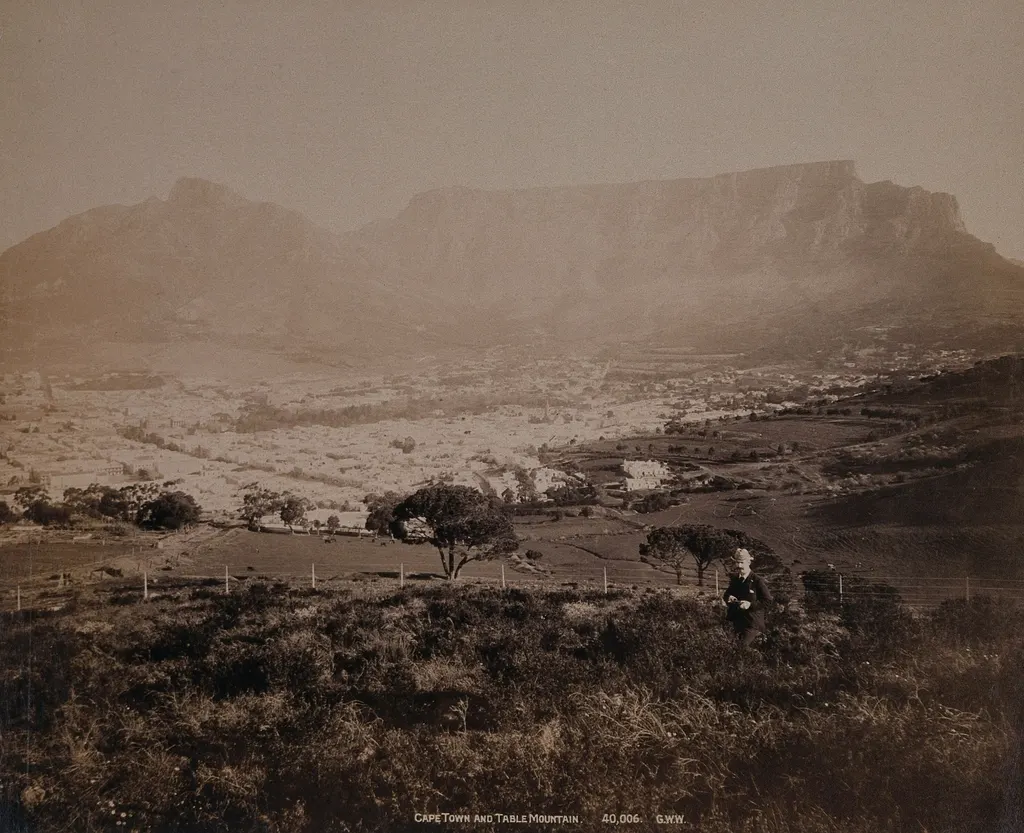
Cape Town offers a range of outdoor attractions that benefit directly from November's long days and warm temperatures. The city's beaches and waterfront areas become increasingly practical to visit as the month progresses, though the ocean water remains cooler than it will be in the height of summer. This time of year suits beach walks and coastal scenery more than extended swimming sessions. Hiking trails and nature reserves in the surrounding area gain from extended daylight hours, allowing for half-day excursions with time to spare for other activities. The nearby floral regions may begin showing colour by late November, although the exact timing varies each year depending on rainfall patterns in the preceding months. Indoor cultural venues such as museums and galleries provide a welcome refuge during the warmest midday hours and on any brief rainy afternoons. The combination of reliable weather and extended daylight makes it possible to structure days around a mix of outdoor exploration and indoor cultural visits.
How to Plan the Days
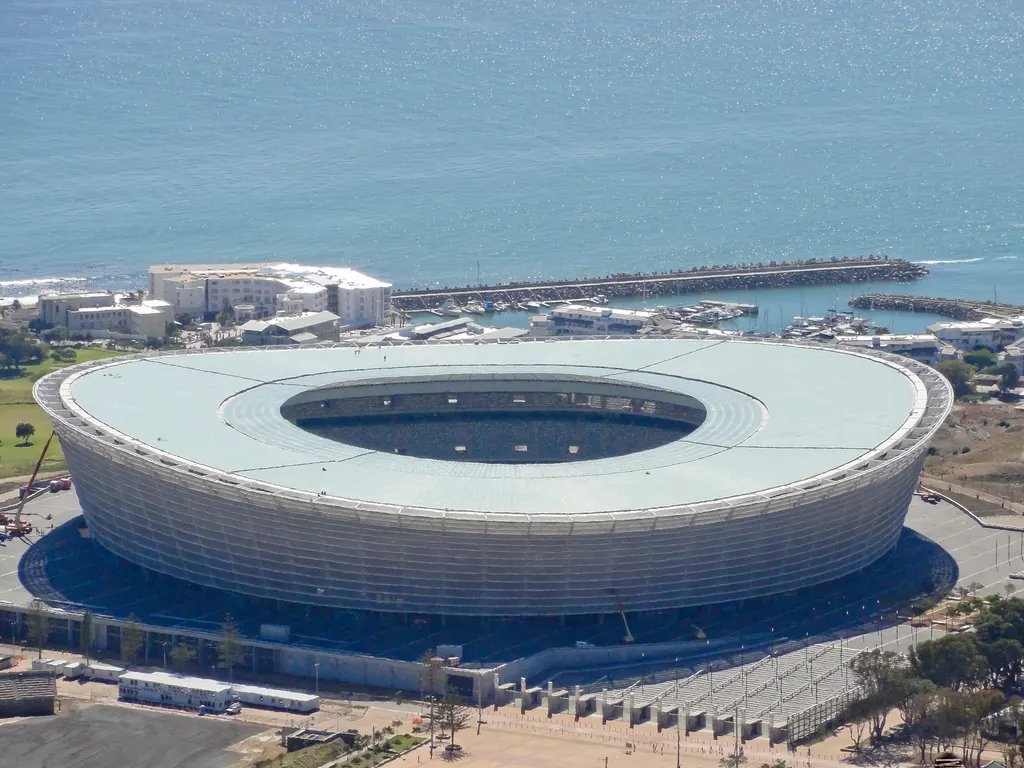
The length of daylight in November means you can structure days around two distinct outdoor sessions, one in the morning and another in the late afternoon, with a break indoors during the hottest midday period. Temperatures at midday can feel noticeably warmer than the daily average suggests, so that indoor break is practical rather than optional. Start your day early to make the most of the cooler morning hours, then retreat to a museum, café or air-conditioned restaurant from late morning through early afternoon. Head back outside once temperatures ease in the mid to late afternoon. November's modest rainfall rarely disrupts plans, but a light rain jacket or umbrella serves as a sensible precaution for brief afternoon showers. Evenings cool considerably once the sun sets, dropping toward the overnight low of 12°C (54°F), so layering a jacket or jersey makes sense if you plan to dine or stroll after dark. The combination of warmth, daylight and relatively low rain means outdoor pacing works well for most of the day.

Practical Notes
The local currency is the rand, and card payments are widely accepted in urban areas, including most restaurants, hotels and larger shops. Carrying some cash proves useful for smaller vendors, markets, tipping and incidentals. English is the primary language for business and tourism, so communication presents no barrier for English-speaking visitors. Clothing should account for the range from 12°C (54°F) in the evening to 30°C (86°F) during the day. Breathable layers work well for daytime, with a warmer layer added after sunset. Sun protection is advisable throughout the day, including in the early morning hours when UV exposure can still be significant. A hat and sunglasses add useful protection during midday outings. Comfortable walking shoes serve well for most activities, whether exploring the city centre, visiting coastal areas or tackling outdoor trails. The combination of warm days and cool evenings means packing layers rather than heavy clothing will serve you best.
What to pack
- Light layers that you can add or remove as temperatures shift between morning and midday
- A warm jersey or jacket for evenings when the temperature drops to around 12°C (54°F)
- Sunscreen with high SPF, applied regularly throughout the day
- A light rain jacket or compact umbrella for occasional brief showers
- Comfortable walking shoes suitable for both city streets and outdoor trails
Questions
Is November a rainy month in Cape Town?
November receives about 30mm of rain spread across the month, so most days are dry. Brief showers can occur, but they rarely disrupt plans.
How crowded is Cape Town in November?
November falls before the December holiday peak, so major attractions and restaurants are generally less busy than they become in the final weeks of the year.
What should I pack for Cape Town in November?
Pack light layers for warm days, a warmer layer for cool evenings, sun protection, a rain jacket and sturdy walking shoes.