Istanbul in December
24 October 2026, 3 min read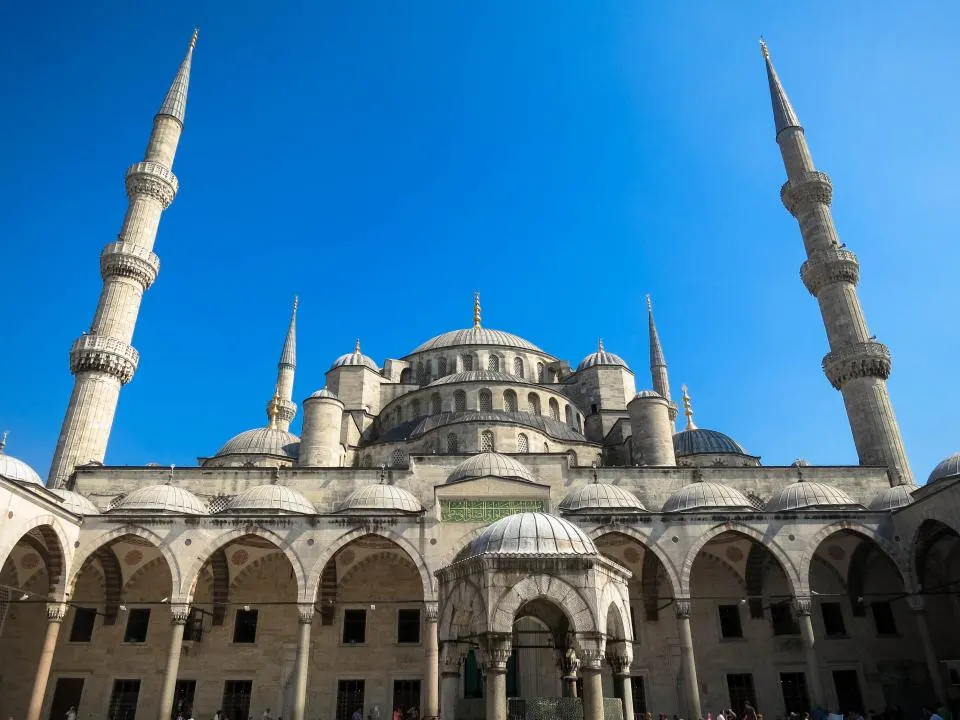
December is a good month to visit Istanbul for travelers who enjoy major landmarks and can accommodate rain, shorter days, and cooler temperatures. It particularly suits anyone who prefers a measured city break with frequent indoor stops.
What the weather is really like
December is cool rather than harsh. The average high is 10°C (50°F), and the low is 6°C (43°F). January has the coldest monthly high at 8°C (46°F), while July and August are hottest at 29°C (84°F). December's 10°C (50°F) sits between them.
The month brings 80 mm of rain and 82% humidity. That makes for damp conditions, though not especially severe cold, and rain is worth treating as part of the plan rather than an occasional interruption. The narrow gap between daytime and nighttime temperatures also makes layering more useful than one heavy coat.
How the month feels
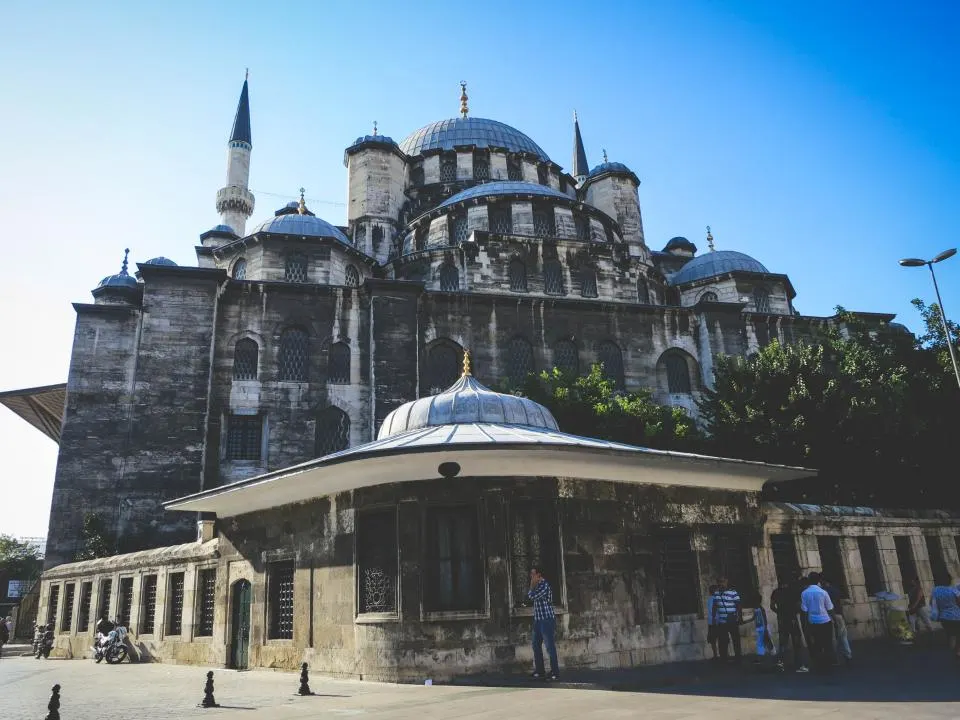
With 9.1 hours of daylight, December has a compact rhythm. The useful pattern is to place the main outdoor sightseeing in the brighter part of the day and use the remaining hours for indoor stops. Istanbul is a major city with a population of 15,655,924, so its streets and landmarks naturally attract a steady stream of visitors.
No public holiday is listed for December, so the weekly plan needs no public-holiday closure adjustment. At major monuments, expect normal sightseeing crowds and allow space around the principal sights rather than treating each stop as an isolated, quiet moment.
Shorter daylight gives the day a clear sense of direction. There is less room for a sprawling itinerary, but that can be a virtue. Two well-chosen landmarks, a proper indoor break, and time to watch the city pass from a café or sheltered street are often more satisfying than a list of hurried photographs.
What to see
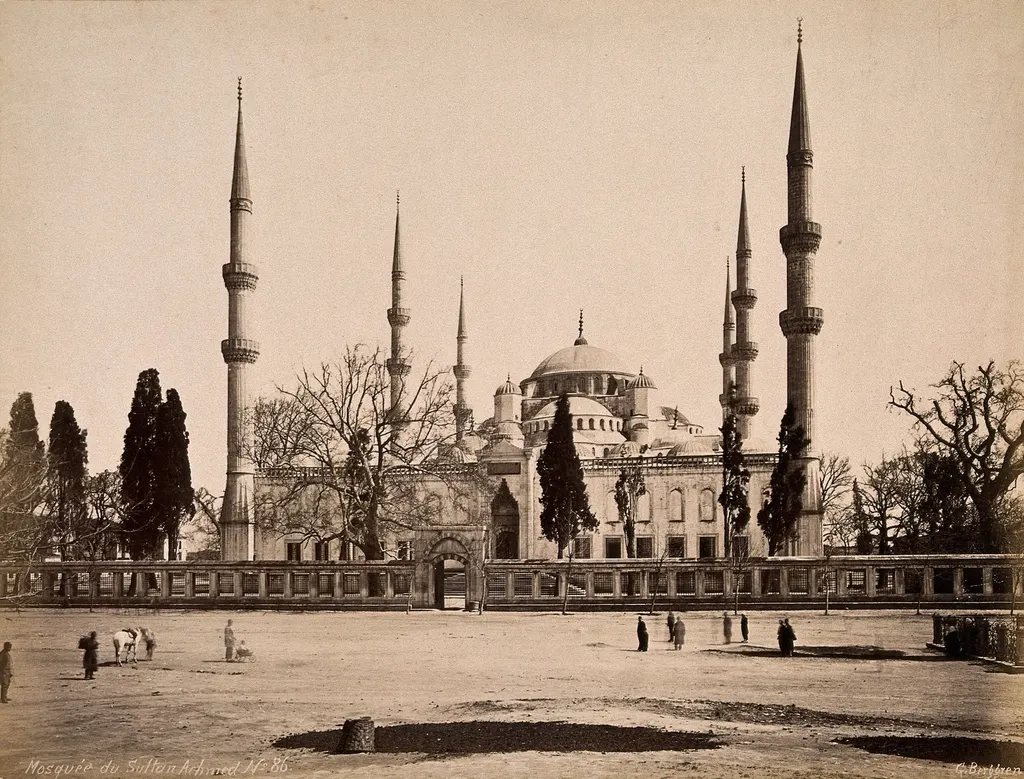
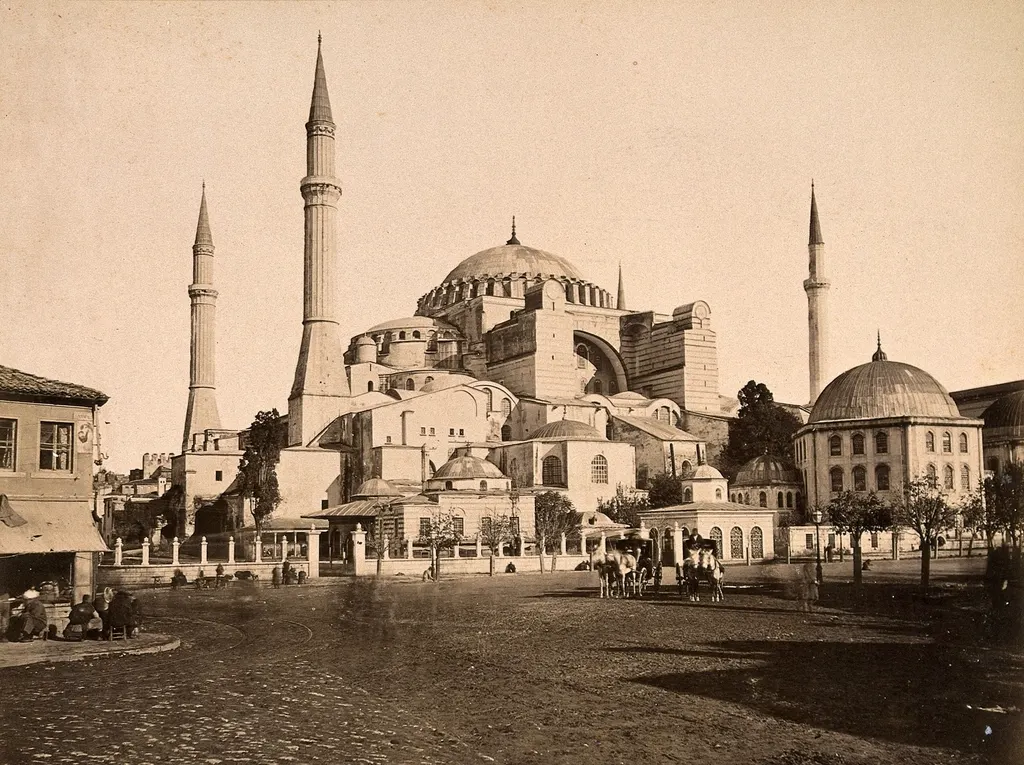
Hagia Sophia is a mosque built in 532, and Sultan Ahmed Mosque was built in 1609. Their indoor character makes them sensible choices during a wet December, giving you time to look properly instead of racing between exposed viewpoints. They also provide a comfortable change of pace when the streets are damp.
Topkapı Palace, built in 1460, is a useful indoor counterpoint on a rainy day, while Galata Tower, built in 1349, offers an elevated perspective on the city. The tower is exposed to the weather, so a clearer interval is preferable. These are best treated as separate stops rather than one hurried route.
The Bosphorus Bridge is a suspension bridge built in 1973. Crossing it in rain means the weather reaches you directly, so save it for a drier spell. It is less appealing than an interior landmark when the forecast is wet, but it adds a modern crossing to the itinerary.
How to plan the days
Build each day around one main sight, then add a second stop if the weather allows. With 9.1 hours of daylight, mornings and the earlier part of the afternoon are best for outdoor walking. Evenings can be used for nearby interiors, leaving exposed views for a drier day.
Keep the indoor and outdoor balance straightforward. Spend the middle of a wet day in a mosque or palace, take a short walk when the rain eases, and use the remaining daylight for the bridge or tower. At 80 mm of monthly rain, a reliable waterproof layer will keep the plan intact.
Do not stack every major sight into one day. The compact daylight can make the city seem larger than it feels, and a measured pace leaves room for meals, pauses, and changing weather. If rain arrives early, move the outdoor stop rather than abandoning the day.
Practical notes
The currency is the Turkish lira, and the language is Turkish. A few useful Turkish phrases can make simple exchanges easier, while the lira is the practical detail to confirm before heading out. Istanbul sits at an elevation of 100 m, and December ranges from 6°C (43°F) to 10°C (50°F), with 82% humidity.
Dress in layers rather than relying on one heavy coat. A waterproof jacket, a sweater or fleece, and comfortable shoes suitable for damp pavement cover the main needs. Add a compact umbrella and a warm mid-layer for the cooler evening hours. These choices suit the month's rain, humidity, and limited daylight.
Keep small essentials close rather than buried in a larger bag. The weather can change during an outing, so the waterproof layer, umbrella, and mid-layer should be easy to reach. A light scarf also works well between the daytime high and the cooler hours near dusk.
What to pack
- Waterproof jacket
- Warm mid-layer
- Compact umbrella
- Damp-weather shoes
- Light scarf
Questions
Is December a good month to visit Istanbul?
Yes, if you are comfortable with a high of 10°C (50°F), 80 mm of rain, and 9.1 hours of daylight. It suits travelers who enjoy major sights and can build in flexible indoor stops.
What should I wear in Istanbul in December?
Pack a waterproof jacket, layers, comfortable damp-weather shoes, a compact umbrella, and a warm mid-layer. The aim is to stay dry and comfortable between 6°C (43°F) and 10°C (50°F).
Are there public holidays in December?
No public holiday is listed for December, so no public-holiday closure needs to shape the itinerary. Individual venues may follow their usual schedules, so confirm current arrangements before visiting.