Prague in December
23 October 2026, 4 min read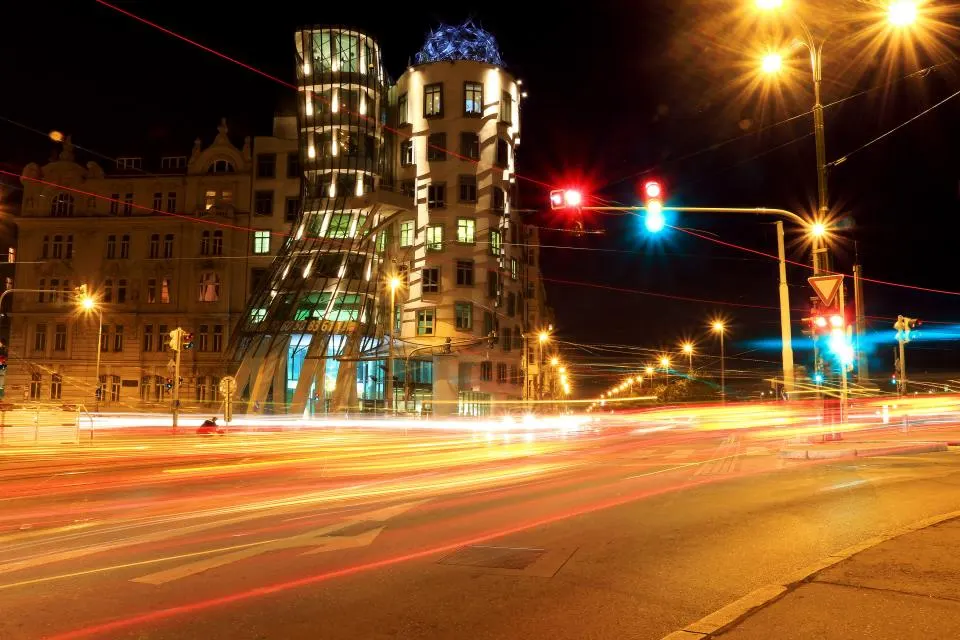
December is a good month for visitors who enjoy Christmas traditions, major architecture and a cooler city break. It suits anyone prepared for rain, low temperatures and short days.
The weather in full
December is cold, though not the coldest month in Prague’s temperature record. The average daily high is 2°C (36°F), while the low is -3°C (27°F). July reaches an average high of 26°C (79°F), compared with January at 1°C (34°F), placing December close to the coldest part of the year.
Rain totals 40 mm for the month, and average humidity is 93%. Damp clothes and cold air can therefore feel particularly sharp when the wind rises. You are also unlikely to remain comfortably outdoors for long without a warm layer, even if the afternoon high reaches 2°C (36°F).
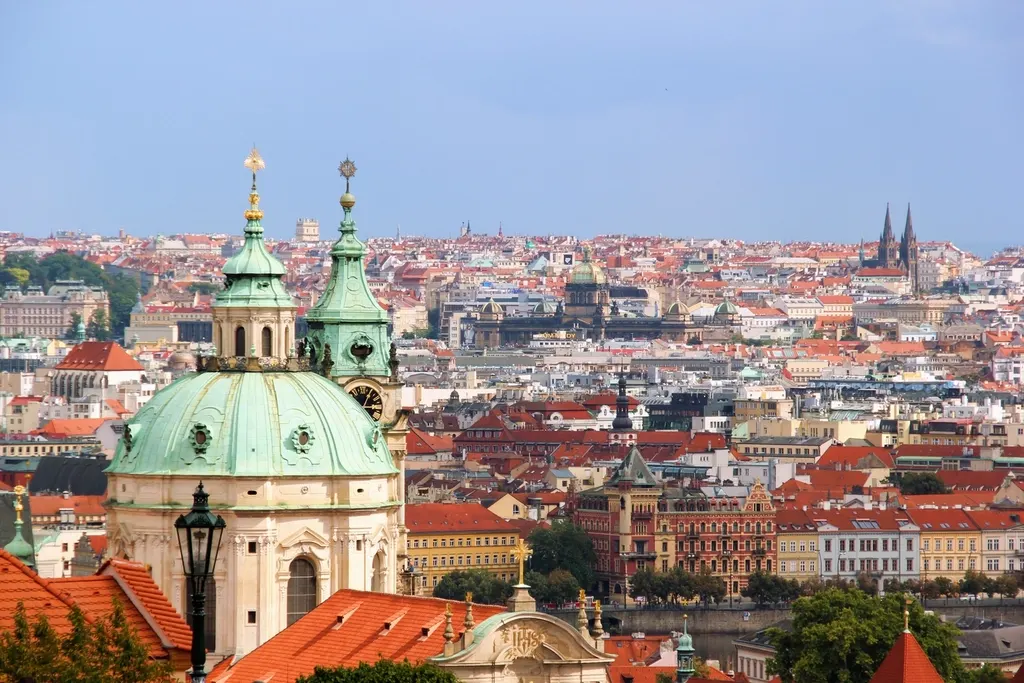
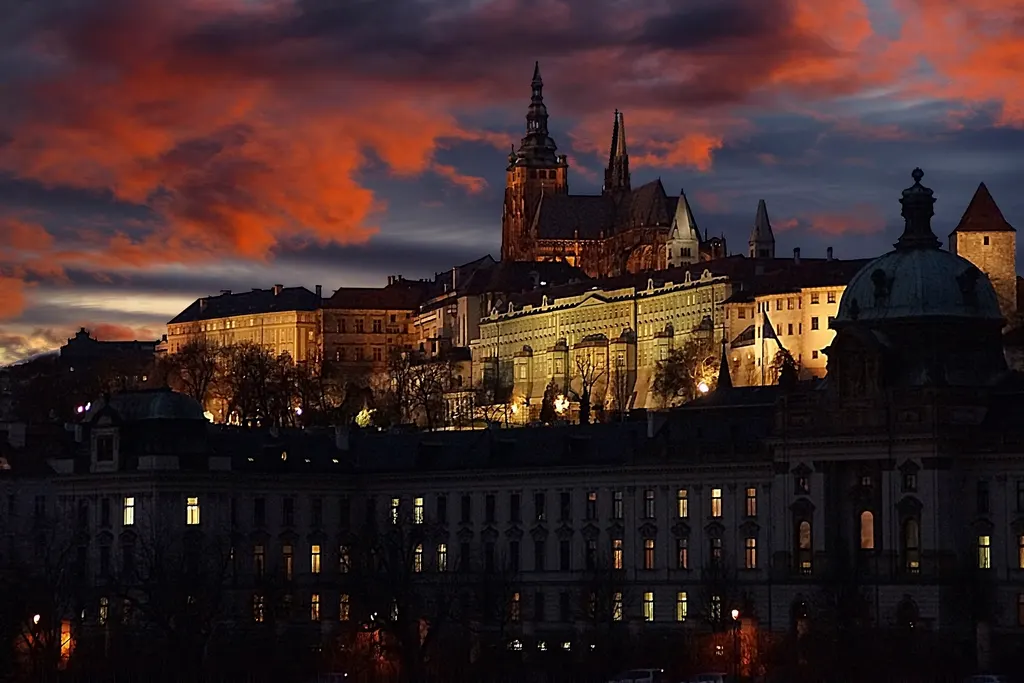
The weather gives Prague a crisp winter character. Historic stone, bridges and rooftops can look especially atmospheric in low light, but the rain means an indoor stop will often be welcome. A light waterproof shell over warm layers is more practical than relying on a single heavy coat.
How the city feels
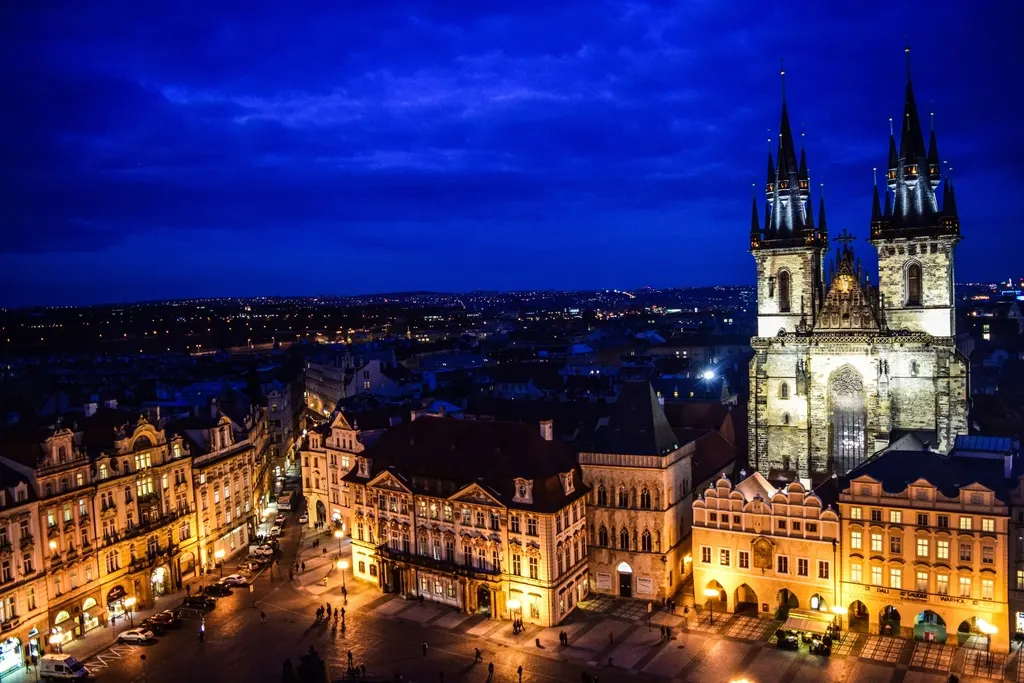
Prague receives about 7.9 hours of daylight in December. That allows for a useful morning of sightseeing, but darkness arrives early and leaves less room for long walks. As the light fades, illuminated buildings and busy central streets become more noticeable, adding a defined seasonal mood to the city.
The Christmas period can be busy, especially around the public holidays. Allow extra time when moving between central attractions and consider quieter areas for some of your daily walks. Outside the immediate festive dates, a relaxed pace is easier to maintain if you avoid trying to cover too much ground.
Christmas Eve on 24 December, Christmas Day on 25 December and St. Stephen’s Day on 26 December are public holidays. Some museums, shops and other attractions may close on these dates, while transport services may follow reduced schedules. Check individual venues before crossing town for a particular attraction.
Places worth the cold
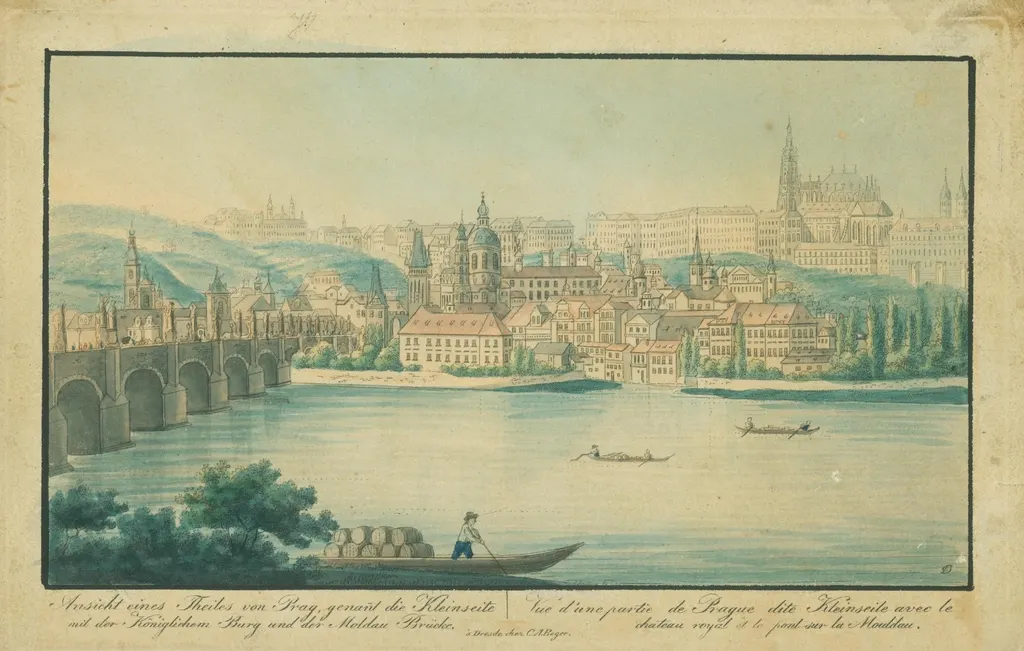
Prague Castle is a castle built in 900 and makes a strong start for a first sightseeing day. Its elevated position offers a broad introduction to the historic city. December suits the exposed setting if you have warm layers, waterproof footwear and little concern for spending extended periods outdoors in the cold.
Charles Bridge is an arch bridge built in 1357 and is best appreciated in the clearer part of the morning. The limited daylight gives you a defined window for crossing and viewing the surrounding architecture, though rain and wind can make a prolonged visit uncomfortable. St. Vitus Cathedral, a Catholic cathedral built in 1344, provides a sheltered interior after the exposed approach.
The Prague Astronomical Clock is a bell tower built in 1410 and works well within a compact Old Town walk. As darkness gathers, its position near the surrounding square becomes easier to appreciate without needing to linger outside. The Dancing House, an office building built in 1996, provides a striking architectural contrast and rewards a short photographic stop in clear conditions.
Choose three or four of these places for each day rather than attempting the complete list at once. The castle and cathedral reward slower attention, while the bridge, clock and Dancing House fit neatly into a shorter circuit. Saving the final stop for fading light makes good use of December’s limited daylight.
Planning the days
Begin with the exposed sights in the morning, when the light is strongest and outdoor conditions are easiest to judge. Move indoors around midday for a museum or another sheltered activity, then return to the streets as evening approaches. This structure keeps the principal outdoor walks within the most useful part of the day.
Aim for one main district per day and leave breathing room between appointments. The castle and cathedral can occupy a morning, while the Old Town sights fit into a shorter afternoon circuit. When rain becomes steady, shorten the outdoor section and continue indoors rather than waiting for uncertain improvement.
Flexibility is especially important around the three public holidays. Confirm that your chosen attractions are open and allow for altered transport arrangements. On other days, evenings can still be enjoyable, but keep them short and dress for the cold. A warm drink stop also works well when the temperature approaches the monthly low of -3°C (27°F).
Practical notes
Prague uses the Czech koruna, and Czech is the main language. Carry enough koruna for everyday purchases and avoid assuming that every venue will accept foreign cards, particularly during the holiday period. Small shops may also have different opening hours from major attractions.
Dress for temperatures between -3°C (27°F) and 2°C (36°F). A warm coat, thermal layers, gloves and a hat will handle the cold, while a waterproof outer layer will cope with the 40 mm of monthly rain. Shoes with good grip are more useful than formal footwear when pavements are wet.
The compact centre rewards walking, but public transport can save time when moving between distant districts. Bring a compact umbrella and keep a dry layer close at hand. Layering allows you to adjust indoors and outdoors, which matters when a warm interior at 2°C (36°F) feels very different from a windy street.
What to pack
- Warm wind-resistant coat
- Waterproof outer layer
- Thermal gloves and hat
- Compact umbrella
- Waterproof walking shoes
Questions
Is December a good month to visit Prague?
Yes, especially for visitors seeking Christmas traditions, major architecture and a winter atmosphere. You should expect cold, damp weather and about 7.9 hours of daylight.
How cold is Prague in December?
The average high is 2°C (36°F), and the low is -3°C (27°F). Wind and wet conditions can make it feel colder, so warm layers are essential.
Will Prague attractions close at Christmas?
Some attractions and shops may close on 24, 25 and 26 December because they are public holidays. Check individual venues and transport schedules before making plans.