Paris in December
22 October 2026, 4 min read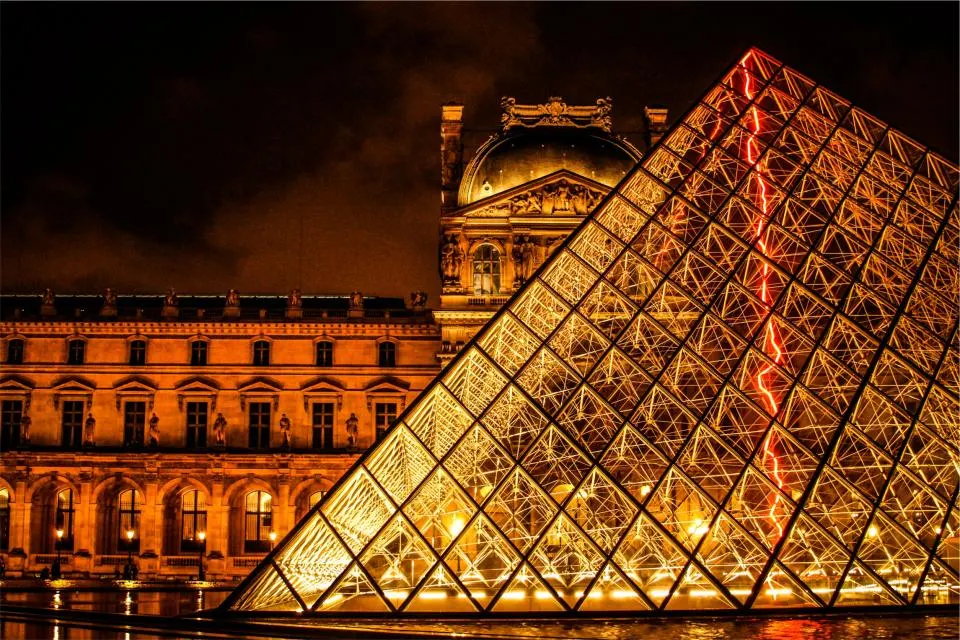
Yes, December is a good month for visitors who prefer a city break built around museums and landmark visits rather than long hours outdoors. It suits anyone comfortable with cool temperatures, rain and a limited daily window of daylight.
What the weather is really like
December has an average high of 9°C (48°F), with lows around 4°C (39°F). It is colder than most of the year, though the coldest monthly high is slightly lower in January at 8°C (46°F). July and August are the hottest months, each reaching an average high of 27°C (81°F). The contrast is clear, and December calls for a wardrobe designed for persistent chill rather than mild autumn conditions.
Rain adds 66 mm to the month, while average relative humidity reaches 93%. Daylight lasts 8.1 hours, giving outdoor sightseeing a narrower window than in summer. This is less a month for extended walks and more one for moving decisively between indoor attractions. The rain should shape the pace, but it does not make the city unappealing, particularly when several museums sit within the central area and can absorb a wet or chilly afternoon.
How the month feels in the city
December has the atmosphere of a busy sightseeing month, with visitors concentrating around the major sights during the limited daylight. The short afternoon makes it sensible to begin outdoors early and move indoors before the light begins to fade. The city is most rewarding for visitors who alternate between landmark views and museum hours rather than attempting to cover long distances on foot. Busy sightseers may also find that the most popular stops require a little more patience during peak periods.
Christmas Day is a public holiday in December, so visitors should treat it as a potential closure day for cultural venues and plan their sightseeing around that limitation. Keep the main attractions flexible, confirm access before travelling across the city and leave another day available for anything that cannot be reached on the holiday. A strict route is less useful here than a short list with room to adjust. A missed indoor attraction on Christmas Day can be moved to another date without weakening the rest of the trip.
The places worth your time
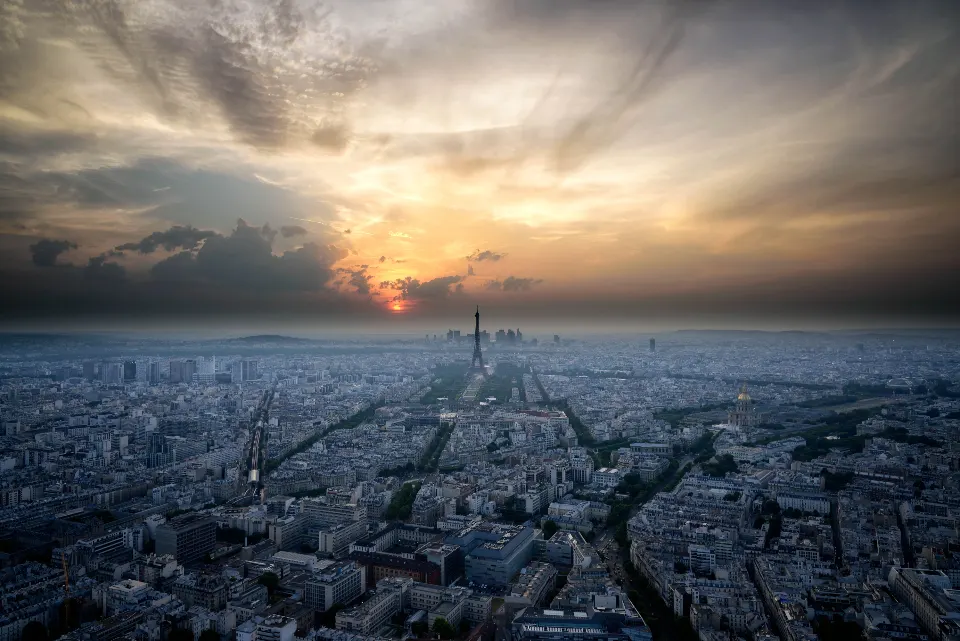
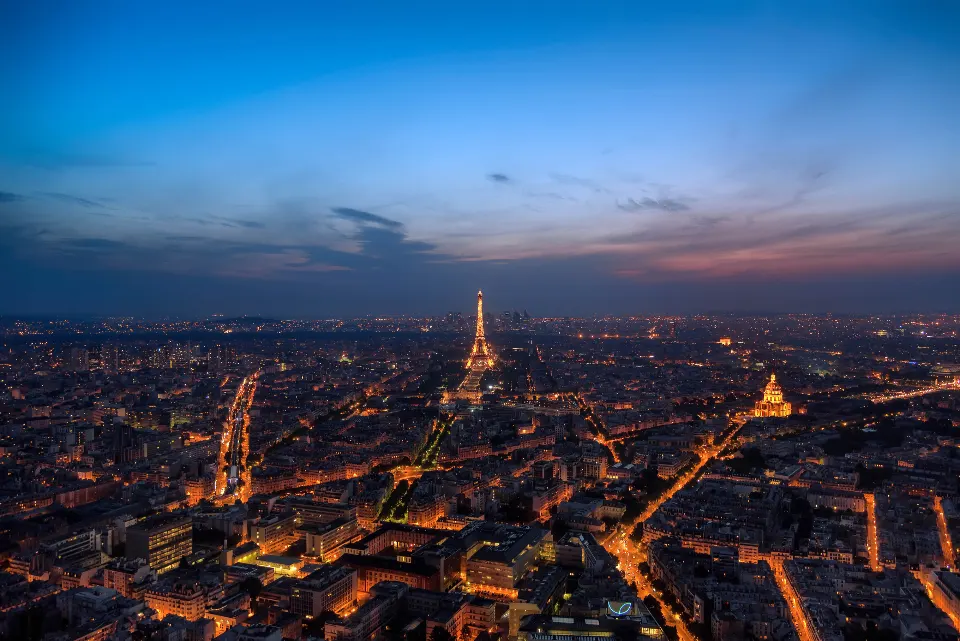
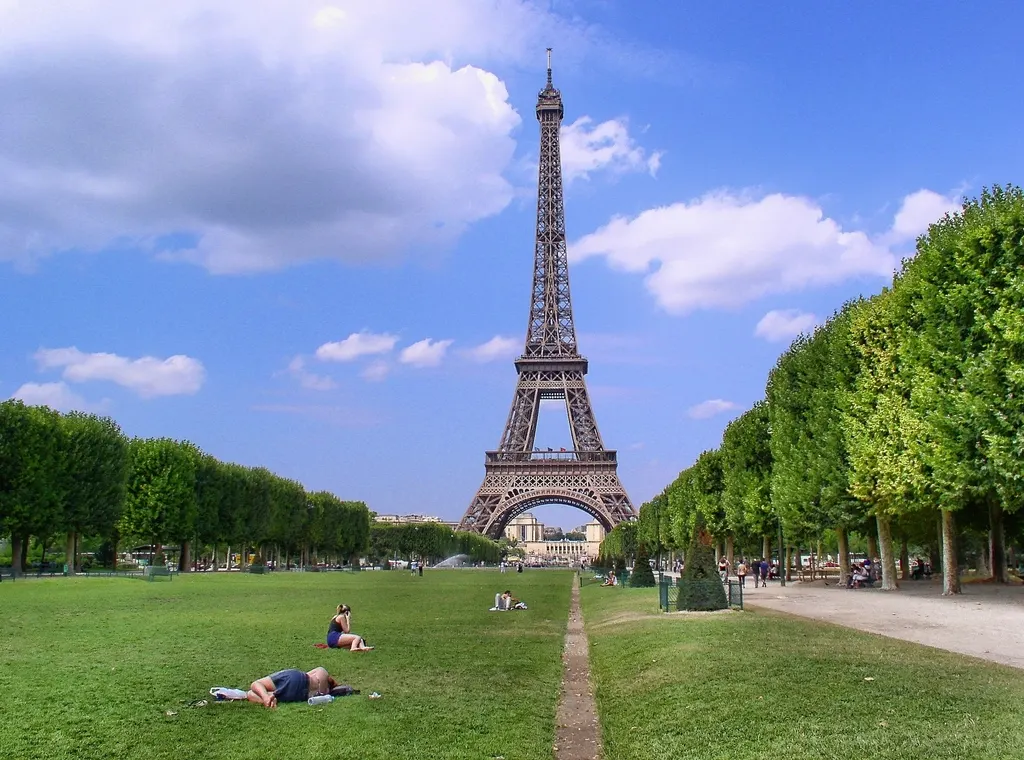
The Eiffel Tower is an observation tower built in 1887, making it a clear reason to endure a cold spell for a view over the city. December suits the ascent for visitors who like seeing Paris from above, although the experience is more dependable in settled weather. The Louvre Museum is an archaeological museum opened in 1793. Its galleries offer relief from the rain and provide a natural centrepiece for a December day, so reserve enough time rather than treating it as a brief stop between other attractions.
Notre-Dame de Paris is a minor basilica built in 1163. Its interior provides a change of pace from wet streets and makes it a practical stop while the weather is poor. The Musée d'Orsay is an art museum opened in 1986, another strong indoor choice, particularly when daylight is limited. Both museums allow the day to retain substance even if an outdoor plan is curtailed. They also make it easier to balance Paris's religious architecture with its art collections.
The avenue des Champs-Élysées is a boulevard built in 1670 and is best experienced while there is enough light to appreciate its length and perspective. December presents a mixed proposition because the 8.1 hours of daylight and regular rain can make the exposed walk less appealing. Visit it with a waterproof layer and a clear destination in mind, then continue indoors rather than committing the whole day to the boulevard. The Palais Garnier, an opera house built in 1861, is another option for shifting the pace towards an interior performance setting.
How to plan the days
Keep the pace moderate. Use the clearest daylight for the Eiffel Tower, Notre-Dame de Paris and the avenue des Champs-Élysées, placing the Louvre Museum and Musée d'Orsay in the middle of the day. Two major indoor visits can occupy a useful portion of a day without requiring a hurried walk across Paris. Group nearby stops together and save any distant trip for a period when rain is lighter. Leaving room in the schedule also prevents a change in weather from turning the entire day into a logistical exercise.
Mornings are generally the best time to begin exterior sightseeing, when the city is active and the available light is fresh. By the afternoon, move toward galleries, basilicas and museum spaces, then return outdoors for a short evening walk. Carry something water-resistant in every bag and be ready to cut an outdoor visit short. The point is not to see as much as possible, but to preserve energy and make the most of the limited daylight.
Practical notes
Paris uses the euro, so bring a card and some cash rather than relying on a familiar home currency. French is the language used in the city, and having a few useful phrases can make interactions smoother. Paris lies at an elevation of 48 metres, but the practical issue in December is clothing. Average temperatures of 4°C (39°F) to 9°C (48°F) call for serious layering, especially when rain or wind makes an outdoor visit feel colder.
Wear a warm base layer beneath a shirt or light knit, then add a proper coat rather than relying on several thin garments. Trousers, socks and shoes should all work in damp conditions. A compact umbrella handles steady rain, while a water-resistant outer layer is more useful if the wind picks up. Gloves, a scarf and a hat make outdoor visits to the observation tower or the avenue considerably more comfortable.
What to pack
- Waterproof coat
- Warm layers
- Compact umbrella
- Water-resistant shoes
- Gloves and a scarf
Questions
Is December a good month to visit Paris?
Yes, especially for museums, architecture and a compact city break. You should expect cool temperatures, rain and only 8.1 hours of daylight.
How cold is Paris in December?
The average high is 9°C (48°F), and lows reach about 4°C (39°F). Warm layers and a weather-resistant coat are essential.
How should visitors handle Christmas Day?
Confirm opening arrangements before visiting any attraction and keep another day flexible. Cultural venues may close, so avoid placing every important stop on the public holiday.