Havana in November
20 October 2026, 3 min read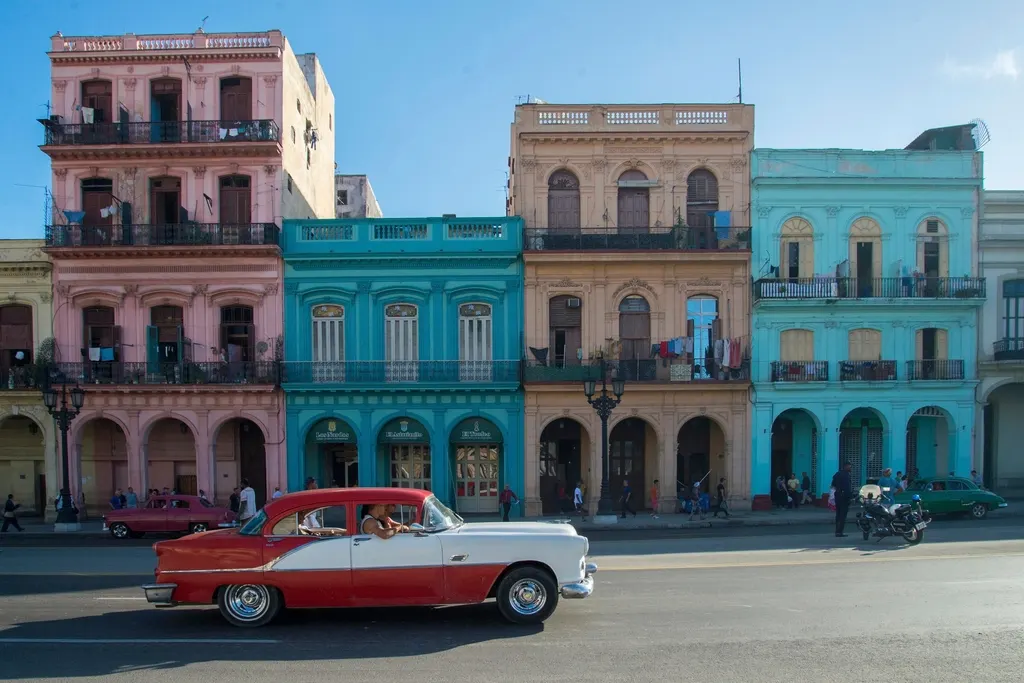
November works well for most visitors. The weather is settled and warm without the intensity of summer, and the lack of public holidays means fewer closures. It suits travellers who want comfortable conditions for walking and sightseeing rather than a calendar of special events.
What the Weather Is Really Like
November in Havana means a high of 28 degrees and a low of 21 degrees. That daytime temperature is notably gentler than the peak summer months, when July and August reach 33 degrees. It is also a couple of degrees warmer than January, which holds the coolest daytime high at 26 degrees. So November sits in a comfortable middle ground, warm enough for outdoor life but free of the exhausting heat that defines the summer. Rainfall measures around 45 millimetres across the month, a moderate amount that falls intermittently rather than in sustained downpours. Humidity stays at 75 percent, which is noticeable but not oppressive once you are accustomed to it.
What the Month Feels Like in the City
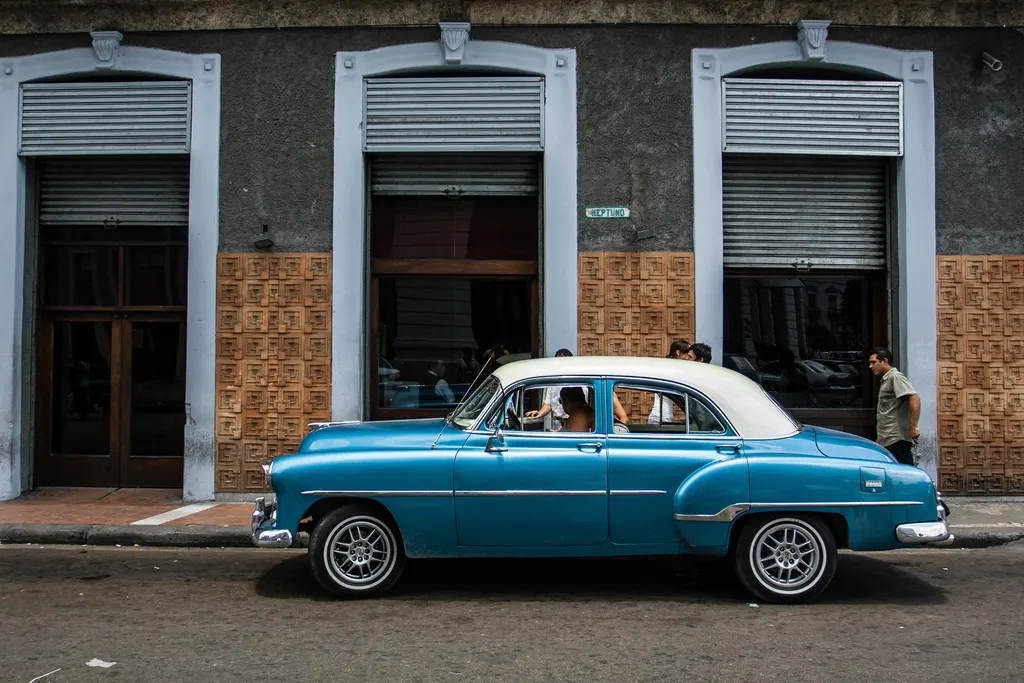
Daylight stretches to just under eleven hours, giving a solid window for sightseeing each day. The sun rises reasonably late and sets before six in the evening, which shapes how you will structure your time. Mornings and late afternoons tend to be the most comfortable for being outdoors, with the midday hours better suited to a slow lunch or time indoors. The city does not have any listed public holidays in November, which means most services and attractions operate on their normal schedules. There are no enforced closures to work around, and the streets should feel neither abnormally quiet nor crowded beyond the usual ebb and flow of urban life.
What to See
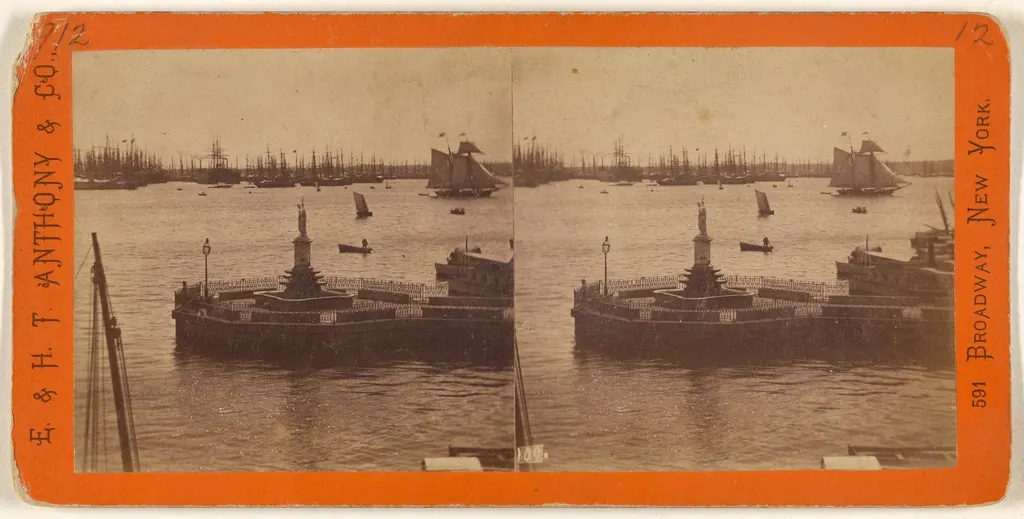
The USS Maine wreck lies in Havana Harbour, a historic shipwreck that draws visitors with an interest in maritime and military history. The site speaks to a significant moment in Spanish-American relations, and it remains a point of reference in the city's narrative. November is a suitable month to visit because the heat does not make the outing uncomfortable and the time spent around the waterfront remains pleasant. The moderate rainfall is unlikely to disrupt a planned visit, and the shorter daylight hours mean you should plan to arrive earlier in the day rather than leaving the harbour until late afternoon. This is a place you visit for context and reflection rather than crowds or spectacle.
How to Plan the Days
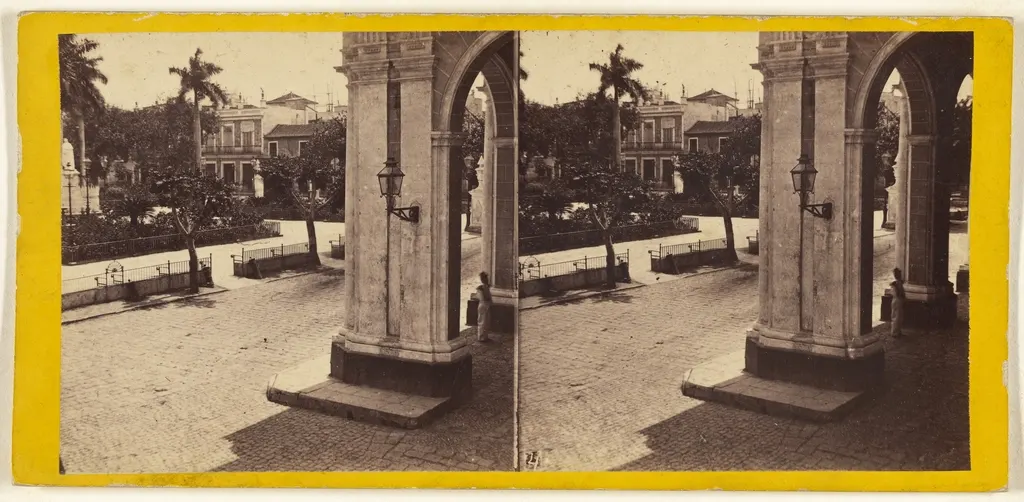
With eleven hours of daylight and temperatures that peak in the warmth of the day, mornings are your best friend. Start early, head out while the air is relatively cool, and tackle any outdoor sightseeing or walking before midday. From late morning through early afternoon, shift indoors or to a shaded spot. A long lunch with the air conditioning on, or a visit to an indoor museum or gallery, keeps you comfortable. By mid to late afternoon, the temperature eases enough for a second outdoor push. Evening activity tends to wind down earlier than in summer, since there are fewer hours of light and the earlier sunset sets a natural pace. Rain is occasional rather than constant, so carry a light layer and be ready to step under cover for a short interval if a shower passes through.
Practical Notes
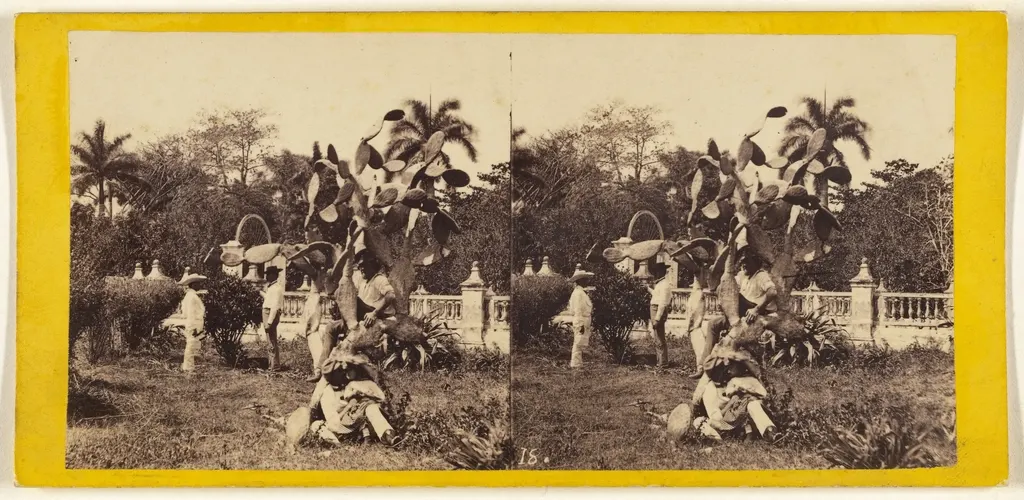
The local currency is the Cuban peso, and visitors should be aware that exchange rates and the dual currency situation can be confusing at first. It is worth confirming current rates before you arrive and carrying enough cash for small expenses, as card payments are not always reliable. Spanish is the language spoken everywhere. A few phrases in Spanish will help with everyday interactions, and English is not widely available outside of hotels and tourist-oriented businesses. Clothing should reflect the warmth of 21 to 28 degrees. Light layers work well, a short-sleeve shirt or light blouse for the day and something slightly warmer for the cooler evenings. Rain gear is unnecessary in the heavy sense, but a small umbrella or a compact rain jacket handles the occasional shower. Comfortable walking shoes are essential for the uneven cobblestones and long stretches of foot traffic.
What to pack
- Light layers for daytime warmth and cooler evenings
- A compact rain jacket for the occasional showers
- Comfortable walking shoes for uneven streets
- A small umbrella or waterproof layer
- Sun protection even though the heat is moderate
Questions
Is November a rainy month in Havana?
Rainfall is moderate at around 45 millimetres. Showers occur intermittently rather than daily, so they rarely ruin plans entirely.
What language is spoken in Havana?
Spanish is the national language. English is limited outside of tourist zones, so basic Spanish phrases are useful.
What currency is used in Havana?
The Cuban peso is the local currency. Visitors should arrange exchange before arriving and be prepared to use cash for most transactions.