Melbourne in November
21 October 2026, 4 min read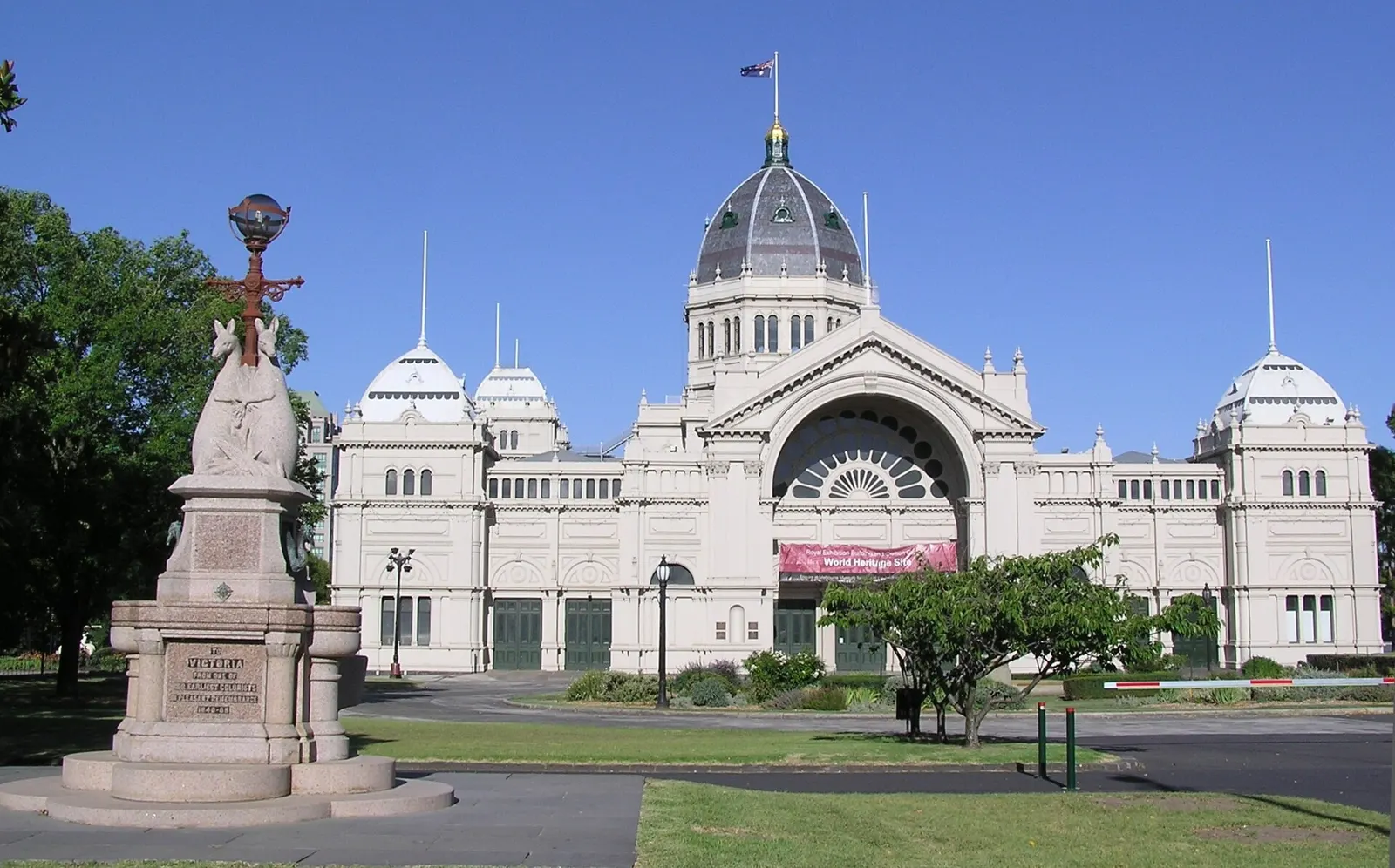
November is a good month to visit Melbourne, especially for travellers who enjoy mild city days and can adjust outdoor plans around rain. It suits art lovers, park walkers and anyone wanting a comfortable urban itinerary without summer heat.
The weather
November brings a daytime high of 23°C (73°F) and a low of 9°C (9°F). That is a wide daily range, so a mild afternoon can still give way to a distinctly cool evening. It is warmer than the coldest part of the year, when the high reaches 14°C (57°F) in June and July, but cooler than January, when the high climbs to 29°C (84°F). The result is rarely oppressive.
Rain is part of the month’s character, with 76 mm recorded and average humidity at 70 percent. Showers can arrive alongside usable temperatures rather than making the whole day unpleasant. The practical approach is to treat clear spells as opportunities for parks and streets, then keep an indoor option close by. November also offers 14.1 hours of daylight, giving outdoor plans a generous window even when the forecast turns damp.
City rhythm
Melbourne is the capital city of Victoria, Australia, with a population of 5,350,705 and an elevation of 31 metres. November’s long daylight hours make the city feel unhurried in the morning and leave room for an evening walk after the main sightseeing is done. The streets offer the usual mix of purposeful city traffic and relaxed neighbourhood movement, rather than a holiday-fuelled rush.
No public holiday falls in November, so there is no holiday closure to account for when planning museums, galleries or other city stops. Normal weekday and weekend rhythms should guide the itinerary. A balanced day might pair a busy central area with quieter time in a garden, while travellers who dislike walking in the rain can move more of the schedule indoors.
Places to see
The Royal Exhibition Building is an exhibition park built in 1879. It provides a central cultural stop and works well on a clear day, particularly when the longer daylight gives time to combine it with nearby streets. A passing shower does not need to end the visit if the next indoor destination is already planned.
Carlton Gardens is an urban park built in 1856. November suits it on dry mornings, when 14.1 hours of daylight allow a relaxed walk rather than a brief dash. The city park is less appealing in persistent rain, so weatherproof shoes and a flexible route are sensible. The National Gallery of Victoria, an art museum opened in 1861, is the natural counterpoint, giving wetter hours a purposeful home.
More of the city
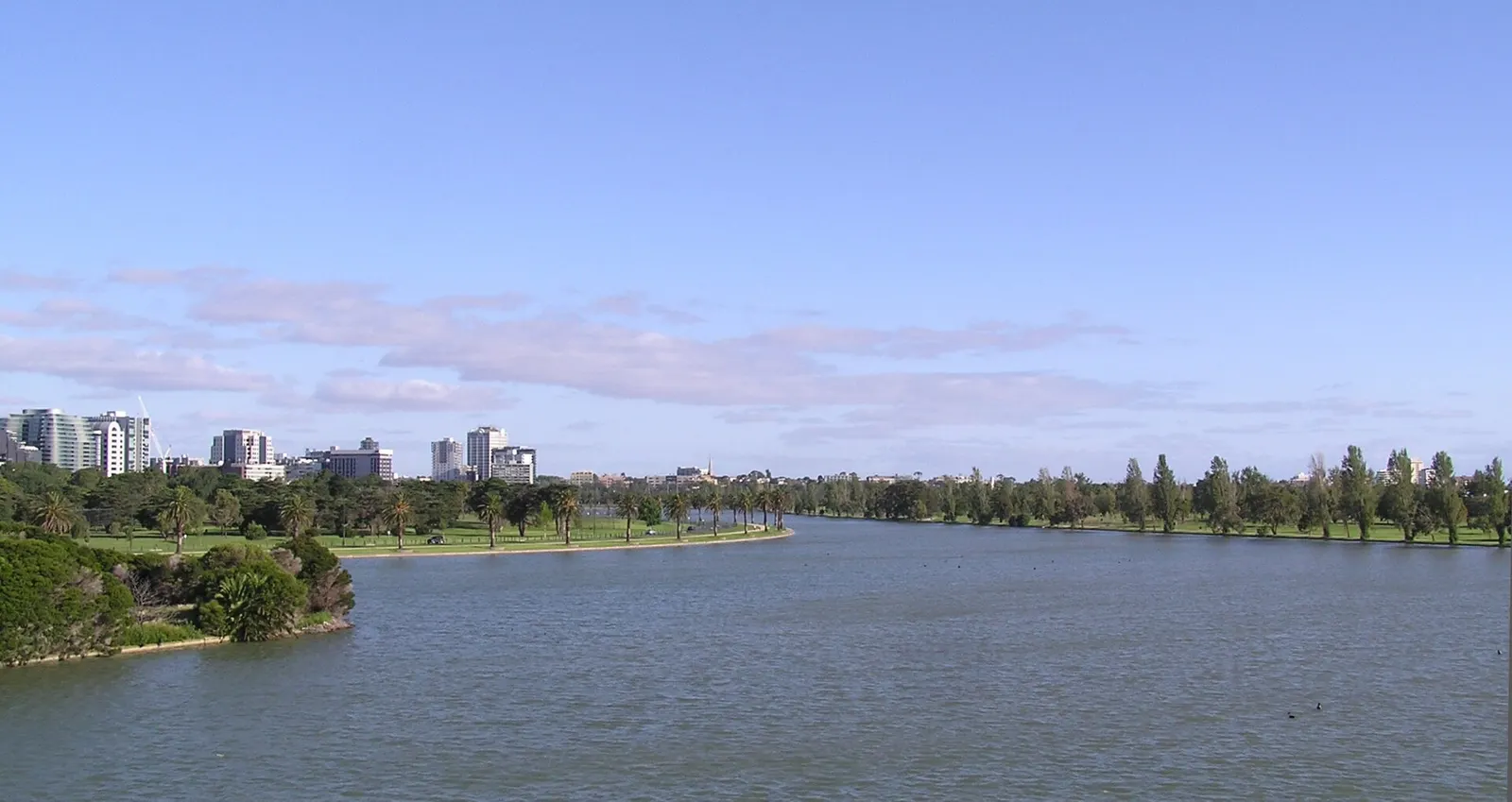
Albert Park Circuit is a street circuit built in 1953. It is most appealing when the road is dry, allowing the area to be appreciated on foot without committing the whole day to the forecast. It can slot neatly into a morning walk around the park. If rain arrives, the circuit is better saved for another day rather than approached as if conditions are guaranteed.
Eureka Tower is a tower block opened in 2006. Its vertical scale adds a different note to an itinerary otherwise built around galleries, parks and street-level walks. It is useful on a bright or overcast day when conditions are dry, and it provides a clear central point from which to continue exploring. Taken together, the five stops show the range of Melbourne without requiring every outing to depend on fine weather.
Planning the days
Start slowly. November mornings can be cool at 9°C (48°F), so a warm layer over a light shirt makes an early walk comfortable. Use the middle of the day for outdoor sights when the temperature reaches 23°C (73°F), then return indoors for galleries or exhibitions. Keep some flexibility in the route because 76 mm of monthly rain is easier to enjoy when it does not dictate every hour.
Evenings are a good time for shorter walks through well-lit central areas and for returning to dinner without losing daylight. Two indoor stops balanced with one or two outdoor outings will usually create the easiest pace. Rather than trying to cover every place before rain arrives, choose a short list and adjust it. The 14.1 hours of daylight make November generous, but they are not a reason to rush.
Practical notes
Melbourne uses the Australian dollar, and English is the main language. Having some local notes or a convenient payment method for currency is useful, though the city is straightforward for visitors who are comfortable handling everyday transactions. No public holiday changes the usual pattern of activity during November, so accommodation and transport can be planned around ordinary weekdays and weekends.
Dress for changeable conditions rather than a single fixed temperature. A light top works around the 23°C (73°F) high, while a sweater or jacket handles the 9°C (48°F) low. Waterproof outerwear, compact umbrella and shoes that tolerate damp pavement will earn their place. A light scarf also makes the transition between warm afternoons and cool evenings much easier.
What to pack
- Light rain jacket
- Layerable sweater
- Compact umbrella
- Waterproof walking shoes
- Breathable daytime top
Questions
Is November a good month to visit Melbourne?
Yes. Mild daytime temperatures, 14.1 hours of daylight and a manageable amount of rain suit visitors who want a flexible city break with both indoor and outdoor plans.
What should I wear in Melbourne in November?
Pack layers for highs around 23°C (73°F) and lows near 9°C (48°F), plus a waterproof jacket, compact umbrella and comfortable shoes for wet pavements.
Are there public holidays in Melbourne in November?
No public holiday is listed for November, so there is no holiday closure to plan around. Museums, galleries and city venues should generally follow ordinary opening patterns.