






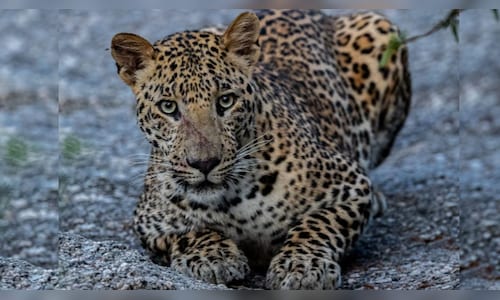
This interim order was issued by a division bench comprising Justice Pushpendra Singh Bhati and Justice Sandeep Shah during a hearing of a public interest litigation filed by Apoorva Agrawal. The petition highlighted the issues caused by unregulated tourism in the Jawai area and its effects on wildlife, particularly Indian leopards.
“Such time restrictions are aligned with the timings observed in Ranthambore National Park and must be based on expertise and scientific evaluations,” the order stated, as per Live Law.
Rajasthan HC Cracks Down On Unregulated Jawai Tourism; Bans Night Safaris, Use Of Drones To Protect #Leopard Habitathttps://t.co/51nI7LGgu4
— Live Law (@LiveLawIndia) March 28, 2026
The court also mandated an immediate ban on the use of drones, spotlights, torchlights, and other intrusive devices. Authorities have been instructed to take swift penal action against offenders, including safari operators and hospitality personnel.
The petitioner’s counsel argued that activities such as night safaris, artificial lighting, and drone usage have induced stress in wildlife and pose safety hazards for tourists.
In response, the bench ordered that no safari or wildlife spotting activities occur outside the approved hours. It asserted that anyone disturbing animals with lights, drones, or similar devices must be stopped immediately, and appropriate measures taken.
ALSO READ | Ladakh: 7 killed, 5 injured in avalanche at Zojila Pass
The bench emphasized the necessity for stringent tourism regulations in Jawai, often termed ‘leopard country,’ due to the escalating pressure on its ecosystem.
“These hills, characterized by naturally formed caves, have traditionally provided a prime habitat for one of India’s most elusive predators, the Indian leopard, thereby justifying the region’s evocative designation,” the court said, according to Live Law.
It further noted, “The expanding presence of unregulated development, evident in the growing tourism infrastructure and habitat disturbances, is starting to encroach upon this shared ecological space. Commercial exploitation, frequently operating within regulatory voids, has transformed the natural landscape, jeopardizing both the leopard population and the traditional lifestyles of local communities.”
The court referred to the state’s obligation under Article 48A to safeguard the environment, which is intertwined with the right to life under Article 21.
The state government and other involved parties have been directed to submit their responses by April 20, the date when the court will reconvene to address the matter.