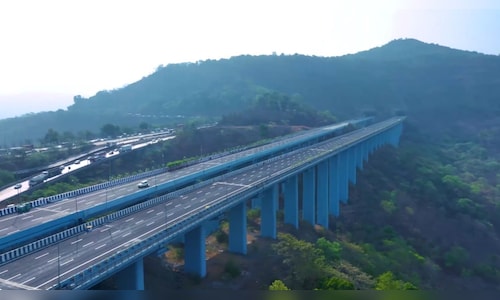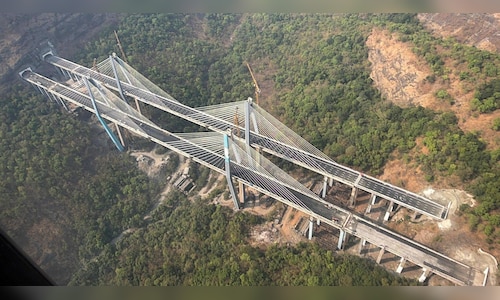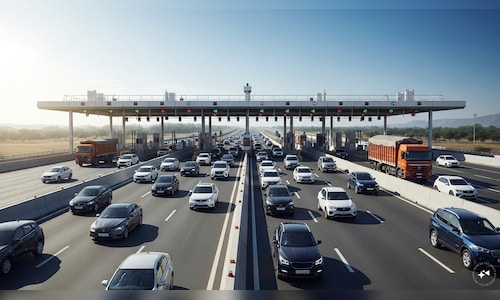






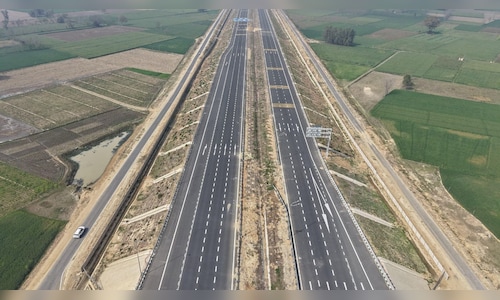
This six-lane, access-controlled corridor, which can be expanded to eight lanes, connects 12 districts spanning western, central, and eastern Uttar Pradesh, enabling vehicles to reach speeds of up to 120 kmph. The expressway traverses vital districts such as Hapur, Bulandshahr, Amroha, Sambhal, Badaun, Shahjahanpur, Hardoi, Unnao, Raebareli, and Pratapgarh.
The benefits for travelers extend beyond reduced travel time:
- Enhanced long-distance journeys: The expressway facilitates same-day travel throughout the state, making multi-city trips more practical.
- Improved access from Delhi-NCR: New interchanges are set to boost connectivity for those coming from western Uttar Pradesh.
- Encouragement of religious tourism: Easier access to Prayagraj may simplify travel during significant events like the Kumbh and Magh Mela.
- Upgraded roadside facilities: Logistics hubs and industrial clusters along the corridor are expected to enhance rest areas, fuel stations, and dining options.
The expressway is also being developed as a significant growth corridor. Districts along the highway are anticipated to experience industrial expansion, logistics centers, and new urban developments. Areas like Hapur and Unnao may see enhanced facilities for travelers, while regions such as Sambhal and Amroha could witness local crafts and products reaching broader markets.
Constructed at an estimated cost of ₹36,230 crore, the Ganga Expressway is one of India’s largest greenfield road initiatives. A standout feature of the project is a 3.5-km airstrip in Shahjahanpur, intended for emergency aircraft landings.
Also Read: IRCTC launches 14-day India–Bhutan train tour from Delhi at ₹1.16 lakh: Key details
First Published: Apr 29, 2026 12:55 PM IST