






Secure rates early, and avoid hasty loading
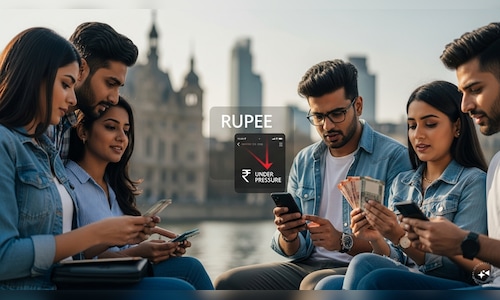
A common recommendation is to use forex cards to lock in exchange rates prior to travel. These prepaid cards enable users to load foreign currency at current rates, shielding them from potential rupee depreciation.
“A forex card secures the exchange rate at the time of loading, meaning that any further decline won’t affect your spending abroad,” stated Gagan Malhotra, Chief Operating Officer at BookMyForex.
However, experts advise against last-minute loading.
Rushing to load funds can result in less favorable rates. They recommend loading the bulk of the required amount when rates seem stable and adding to it closer to the travel date if necessary.
“It’s more about ensuring rate stability and financial predictability rather than trying to time the market,” mentioned Vinay Bagri, CEO and co-founder of Niyo.
He also noted that spreading out the loading process can help average out rate fluctuations.
Shield your budget from rupee depreciation
Forex cards are especially advantageous in a declining currency scenario.
Once funds are loaded, they protect travellers from the volatility of future exchange rate changes, allowing for more predictable spending overseas.
ALSO READ | NSE launches Electronic Gold Receipts: How they work and who can invest
In contrast, credit and debit cards apply the prevailing exchange rate for each transaction.
“Minor fluctuations can significantly raise the total cost of your trip when using rupee-based cards,” Malhotra remarked.
Bagri observed that these cards often impose a 2-3.5% forex markup, which can amplify the effects of a weak rupee. Though zero-forex markup cards eliminate this fee, they are still subject to real-time exchange rates, leaving users vulnerable to currency fluctuations.
Depending on market conditions and spending habits, travellers can save approximately 3–5% by securing rates early, especially during volatile currency situations.
Implement a variety of payment options
While forex cards provide rate predictability, experts advise against relying solely on one payment method.
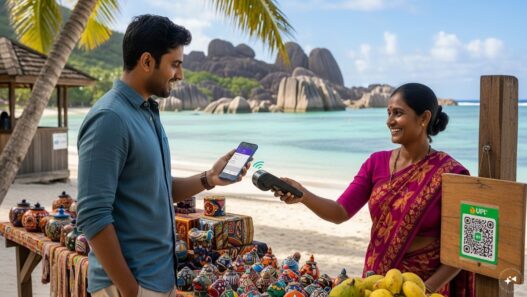
Zero-forex markup credit cards offer flexibility for unexpected costs, allowing transactions at near real-time rates without extra charges. Additionally, UPI is gaining traction for small transactions in select international markets, though its global acceptance is still inconsistent.
Malhotra highlighted that zero-markup cards usually use network exchange rates, which may be higher than the interbank rates available on forex cards. Meanwhile, many conventional cards continue to impose forex markups, raising transaction costs abroad.
Select the appropriate tool for each need
Experts advise that the choice of payment method should align with travellers’ spending plans and environments.
Forex cards are ideal for planned expenditures and those who wish to stick to a fixed budget. Credit cards, particularly zero-markup options, offer flexibility for unanticipated costs, while cash and UPI can handle smaller, daily transactions.
“It’s not about choosing one over the other; it’s about employing the right tool for the situation,” Bagri concluded.
As currency markets continue to fluctuate, the focus for travellers is shifting from trying to predict exchange rate movements to preparing for them. Securing rates when possible and retaining flexibility elsewhere can help manage uncertainties and keep foreign spending in check.
ALSO READ | Planning to invest in SIFs: Mirae Asset fund manager shares 7 factors to consider