







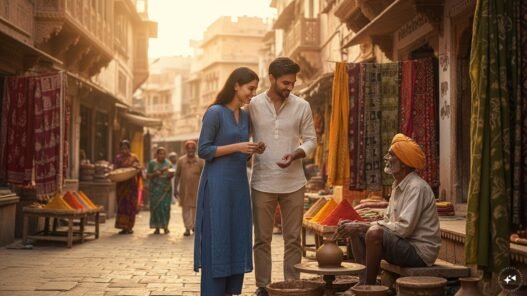
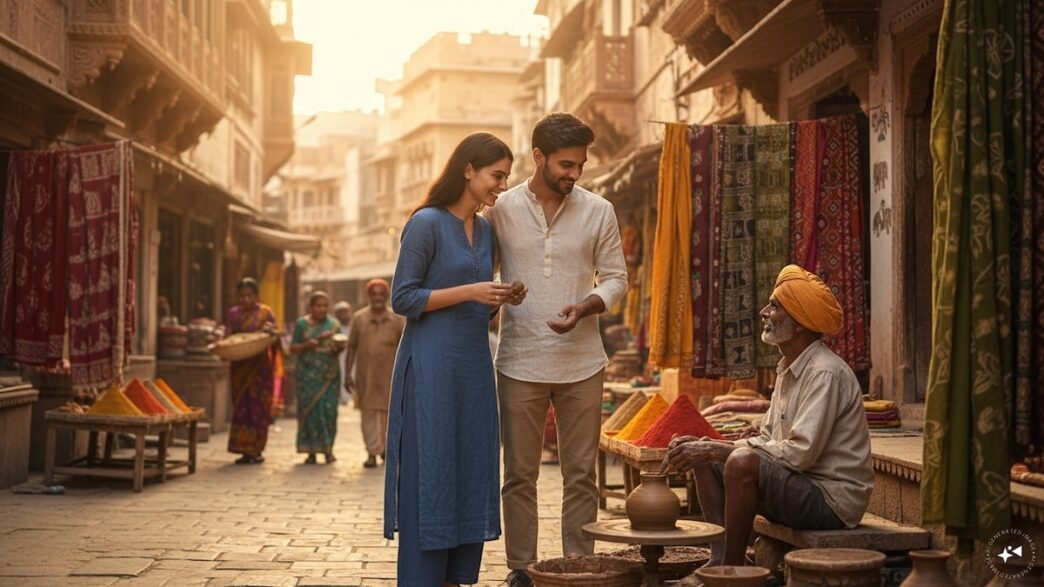
A recent Skyscanner India Culture Travel Index revealed that nearly 67% of Indian travellers are planning holidays centered around heritage, festivals, and local cuisine. This indicates a significant change in how individuals perceive destinations, transitioning from merely observing a place to truly comprehending what makes it unique.
This could involve savoring a local dish, wandering through a market, learning a craft, participating in a festival, or gaining insight into how communities have influenced the region’s culture.
The notion of a ‘sense of place’
Yashvardhan Kher, Co-founder of Arth by MAYFAIR in Kumaon, describes this transformation as a shift from engaging with things “at a destination” to genuinely experiencing the destination itself.
This distinction is crucial. A mountain getaway, for instance, may offer breathtaking views, but it can also encompass local cuisine, architectural styles, flora, crafts, and village experiences.
Kher notes that activities like herbal walks, forest bathing, birdwatching, and village immersions in Kumaon enable visitors to connect more deeply with the region’s ecological and cultural landscape.
Gaurav Mudgal, Managing Director of Black Rock Hotels & Resorts, echoes this sentiment, stating that travellers aim to “experience a destination, not merely exist within it”.
In a location like Ranthambore, this includes immersing in regional architecture, traditional Rajasthani cuisine, and folk customs alongside wildlife encounters.
This principle resonates across various destinations. The essence of Goa is inextricably linked to its coastal cuisine and community; Rajasthan’s charm reaches beyond its historic forts to its crafts and customs; and Uttarakhand’s allure encompasses its bond with the mountains, forests, food, and local society.
Food as a narrative of a place
Bjorn DeNiese, Managing Director of Mayfair Elixir, highlights that travellers seek experiences that are exclusive to a location. He notes a trend towards hyper-local menus and regional influences over standard offerings.
At Naukuchia House, Naukuchiatal – IHCL SeleQtions, the local connection is evident in the dishes and beverages, featuring Kumaoni ingredients like malta, buransh, and juniper to echo the Himalayan environment.
Michael Dominic, Managing Director of CGH Earth, mentions that traditional recipes and native ingredients can provide travellers with insights into a destination’s agricultural and cultural heritage.
For instance, the group’s properties utilize local produce and time-honored culinary techniques while collaborating with farmers and community groups.
Thus, for travellers, food can offer context that a sightseeing agenda might not capture. Understanding what grows in the area, how the ingredients are prepared, and which recipes have stood the test of time can shed light on its climate, history, and lifestyle.
Connecting with the people behind the culture
The increasing interest in local customs is also reshaping what travellers anticipate from cultural encounters.
Jaspreet Singh, General Manager of Six Senses Vana, indicates that a craft, recipe, or performance gains significance when travellers comprehend the stories and knowledge that underlie it.
At the property, he references pottery and bamboo-weaving workshops, folk performances, and classical music nights as examples of experiences that allow guests to engage with artisans rather than just observe cultural displays.
This distinction is vital as local culture extends beyond mere objects or performances; it often encompasses living knowledge passed through families and communities.
Prashant Sharma, Director of Operations at Hyatt Regency Delhi, mentions that hotels are collaborating with local artisans, regional producers, chefs, and cultural figures to infuse this knowledge into the guest experience. Regional food festivals, handmade crafts, and tailored city tours enable visitors to delve into India’s rich cultural diversity.
The economic impact of culture-led tourism
Cultural travel also carries an economic implication.
When tourists buy directly from artisans, enjoy regional cuisine, hire local guides, or participate in community-driven experiences, a larger portion of tourism revenue can reach those directly connected to the destination.
Anuj Chaudhry, General Manager of Aravali Marriott Resort & Spa in Delhi NCR, emphasizes partnerships with local citizens and food traditions as methods to infuse a destination’s essence into the visitor experience. The trend is leaning towards deeper, immersive interactions with local communities and their craftsmanship.
Vikram Puri, Managing Director of Archer Hospitality, similarly notes that local communities, traditional cuisine, artisans, and cultural activities are becoming fundamental to travel experiences rather than just supplementary offerings. He cites experiences designed to guide visitors to explore Goa beyond typical tourist paths.
Raoof Dhanani, Managing Director of Sayaji Hotels, mentions that the concept of luxury is evolving as travellers seek a genuine sense of place. Regional food, indigenous design, traditional craftsmanship, and cultural interactions are increasingly vital in fostering that connection.
From consuming culture to understanding it
However, it is important to note the difference between utilizing local culture as mere scenery and engaging with it meaningfully.
A local dish on a menu can introduce a traveller to regional flavors, but grasping the origins of the ingredients, the recipe’s evolution, or the traditional chefs can offer a more profound experience.
This holds true for crafts and performances as well. Purchasing a handmade item is one experience, while interacting with the artisan and learning about the technique and its history adds significant value.
Singh believes communities should have a say in how their traditions are showcased, and artisans should receive appropriate acknowledgment and benefits from their contributions.
Dominic also highlights that communities play a crucial role in maintaining cultural practices, instead of being mere elements of the tourism industry.
This is particularly salient as destinations become more accessible and travel experiences become more homogenized across various locations.