Budapest in November
15 October 2026, 4 min read
November is a good month to visit Budapest if you do not need warm weather and want easier access to major sites. It suits travellers who prioritise atmosphere over outdoor dining and are comfortable packing for damp, cool conditions.
What the Weather Is Really Like
In November, Budapest sees highs of 11°C (52°F) and lows of 5°C (41°F). That is a meaningful drop from the peak months of July and August, which each average 30°C (86°F). By comparison, the coldest month of the year is January at 5°C (41°F), so November sits closer to winter than to autumn in terms of temperature. The difference between day and night is noticeable, so layers matter.
Rainfall measures around 43mm across the month, and humidity sits at 87 percent. That combination means dampness rather than downpours most days, but the air will feel heavy, especially along the Danube. Daylight lasts roughly 9 hours, which is the shortest stretch of the year so far outside December. Sunsets come early, shaping how you pace a day.
What the Month Feels Like in the City
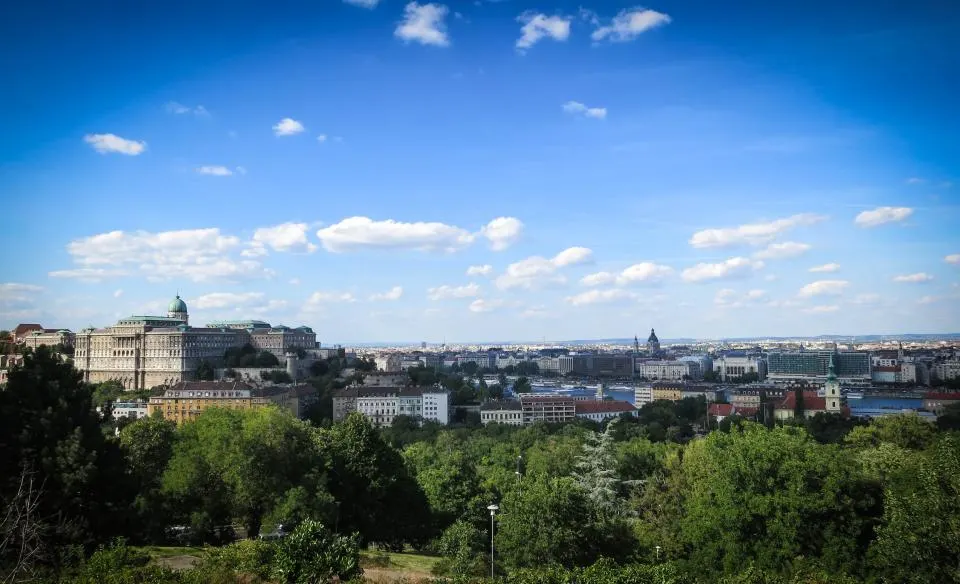
November in Budapest is quiet. Summer crowds have dispersed, and the peak tourist season has not yet arrived for the winter holidays. You will find shorter wait times at the major sites and more room to move through public spaces. The light is low and soft, often grey, which suits the grand architecture well and gives the city a different mood than the bright summer months.
All Saints Day falls on 1 November and is a national holiday in Hungary. Some museums, shops, and attractions may close or keep reduced hours that day. It is worth checking individual venues in advance if you plan to visit on the first. Beyond that single date, November operates on a fairly normal schedule with none of the extended holiday closures that come later in the year.
The city is not shut down by any means. Cafes and restaurants remain open, thermal baths stay in operation, and public transport runs. The difference is pace. There is a stillness to the streets that makes walking around Buda or along the Danube promenade more reflective and less rushed.
What to See
Heroes' Square opened in 1896 and ranks among the most significant squares in Budapest. In November, the space feels larger and more austere without the crowds that gather there in warmer months. The statues and columns read clearly, and the surrounding City Park is less busy for a walk.
Buda Castle is a palace complex that houses museum collections inside. The indoor galleries are well suited to November because they provide warmth and shelter from damp weather while offering a deep view into Hungarian history and art. The grounds outside can still be explored when the rain eases.
Fisherman's Bastion is a terrace on the Buda side of the city with views across to Pest. In summer the viewpoints are crowded and the light is harsh in the middle of the day. November changes this. The light is lower and softer, and you are more likely to find a quiet moment at the railings looking out over the river.
Aquincum is a castrum, or Roman military camp, that forms part of the city's ancient past. The site includes ruins and a museum. Fewer visitors in November mean you can move through the outdoor areas at your own pace without feeling rushed between groups.
St. Stephen's Basilica opened in 1905 and is a co-cathedral in the city centre. Its interior is impressive in any season, but the cooler, quieter November conditions make it easier to approach on foot from other central locations without worrying about overheating or navigating dense pedestrian traffic.
How to Plan the Days
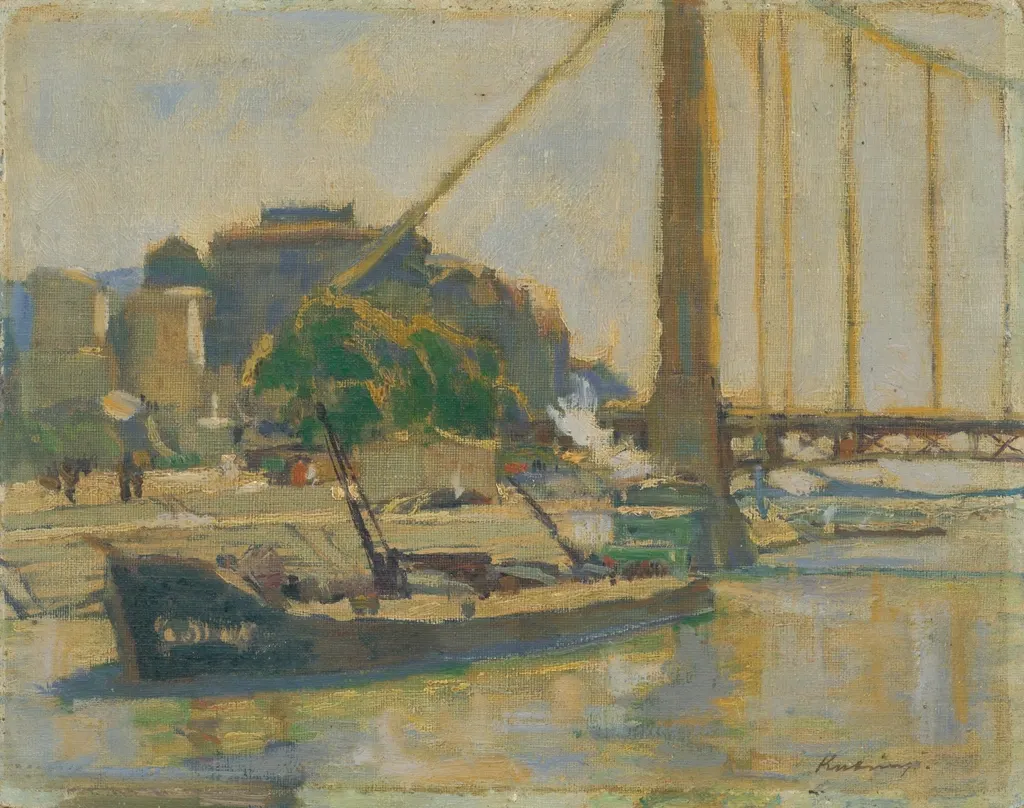
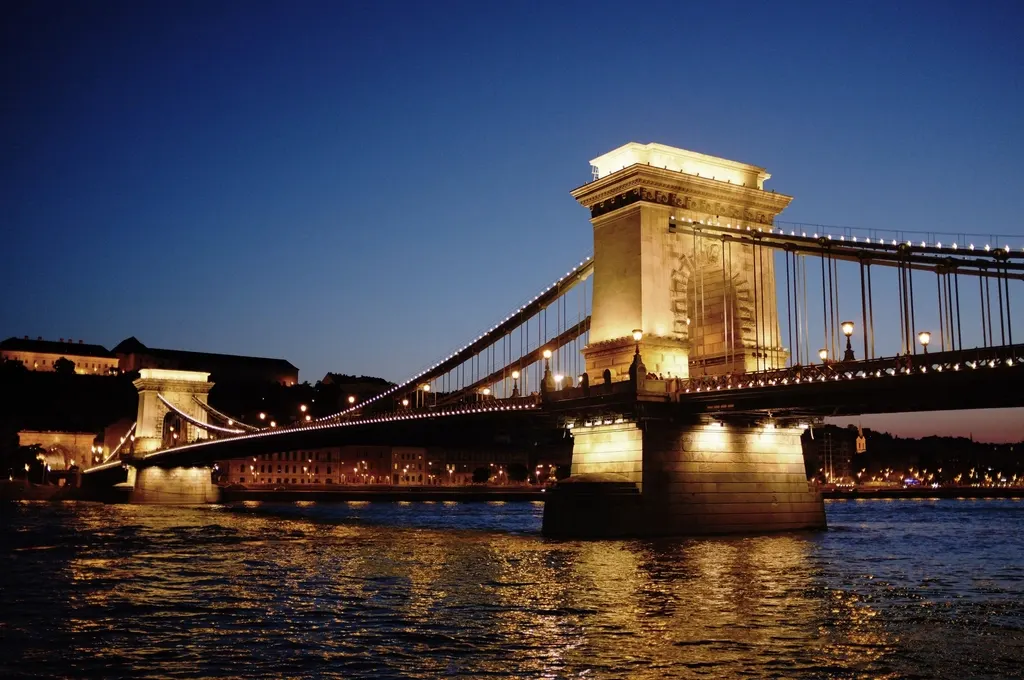
With 9 hours of daylight and early sunsets, mornings are the strongest window for outdoor sightseeing. A walk across the Széchenyi Chain Bridge, which opened in 1840, works well in the morning when the light is even and the wind off the river is not yet cold. The bridge connects Buda and Pest and gives a sense of scale that is harder to appreciate in summer traffic.
Afternoons suit indoor activities. The Hungarian State Opera House, opened in 1884, offers performances in a building that is worth seeing even without a ticket. The thermal baths are another option for the afternoon, providing warmth and a different pace after a morning of walking. Puskás Aréna, opened in 2017, hosts football matches that may be scheduled on weekends if that aligns with your visit.
Evenings call for indoor plans. The low light and damp air make wandering outside less appealing after dark, but Budapest has a strong indoor cultural offer. Even a simple evening meal in a covered market or a quiet restaurant works better than trying to sit outside. Building in this indoor-outdoor rhythm helps you stay comfortable across the shorter, cooler days.
Practical Notes
The local currency is the forint. Exchange rates fluctuate, so checking the current rate before you travel gives you a realistic sense of costs. Card payments are widely accepted in the city centre, but carrying some cash is useful for smaller establishments and markets.
The language spoken is Hungarian. In tourist areas, some staff speak English and German, but learning a few basic words in Hungarian is a practical courtesy and can smooth interactions in shops, restaurants, and on public transport.
For temperatures of 5°C to 11°C (41°F to 52°F) with damp air, pack a waterproof outer layer, a warm mid-layer, and sturdy walking shoes. A scarf and gloves are useful for the cooler evenings. Breathable layers that can be added or removed as you move between heated indoor spaces and the cold outside are more practical than a single heavy coat.
What to pack
- A waterproof jacket that blocks wind as well as rain
- Warm layers that can be added indoors and removed outdoors
- Comfortable walking shoes with good grip for damp pavements
- A scarf and gloves for mornings and evenings
- A small umbrella that fits in a day bag
Questions
Is Budapest cold in November?
Yes, temperatures range from 5°C to 11°C (41°F to 52°F). It is cool but not freezing, and humidity makes it feel damp rather than bitter.
Is November a crowded time to visit Budapest?
No, November sees fewer visitors than summer or the December holiday period. Wait times are shorter and popular sites are easier to navigate.
Will attractions be open around All Saints Day?
Some venues close or reduce hours on 1 November. Checking individual sites in advance is advisable if you plan to visit that day.