Florence in November
15 October 2026, 4 min read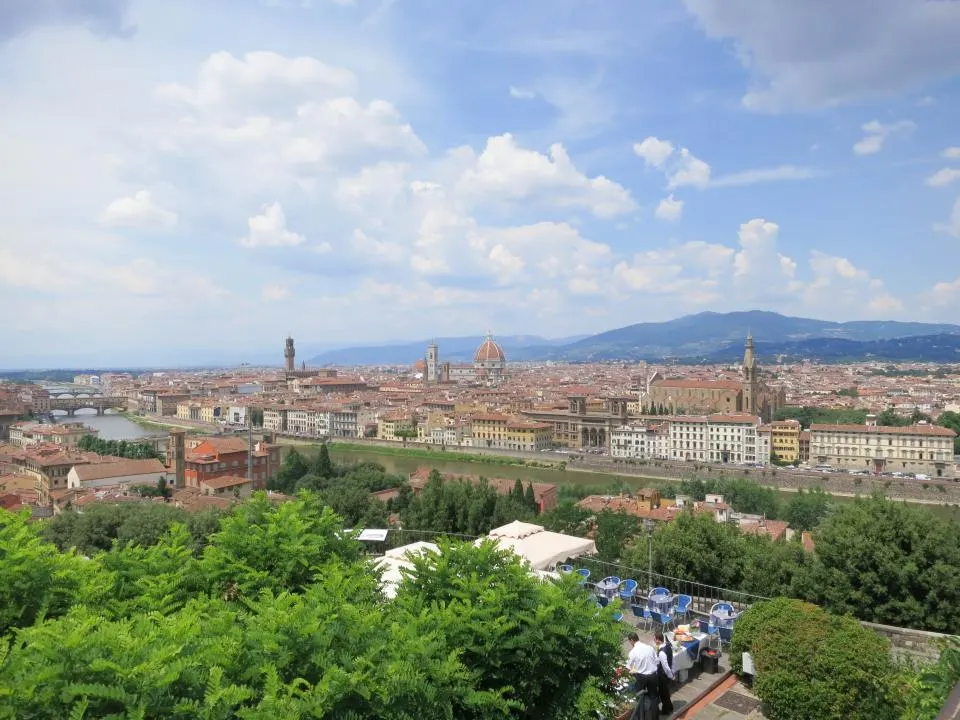
November is a good month to visit Florence if you prefer cool weather and empty galleries over summer crowds. It suits the thoughtful traveler who wants to see the city without competition for space.
What the Weather Is Really Like
November in Florence means a daytime high of 11 degrees Celsius and a low of 4 degrees Celsius at night, which converts to roughly 52 Fahrenheit and 39 Fahrenheit. This is considerably cooler than the warmest months of July and August, when temperatures reach 29 degrees Celsius. It is also notably warmer than January, the coldest month, when the high sits at 5 degrees Celsius. November sits in the middle of that range, cool without being bitter.
Rainfall measures 96 millimetres for the month, which means roughly one in three days will see some rain. Humidity stays high at 90 percent, so the air feels damp rather than crisp. Daylight is limited to 9.4 hours, so mornings start late and afternoons fade early. The light has a flat, soft quality that photographers notice, and the short days shape how you plan each outing.
What the Month Feels Like in the City
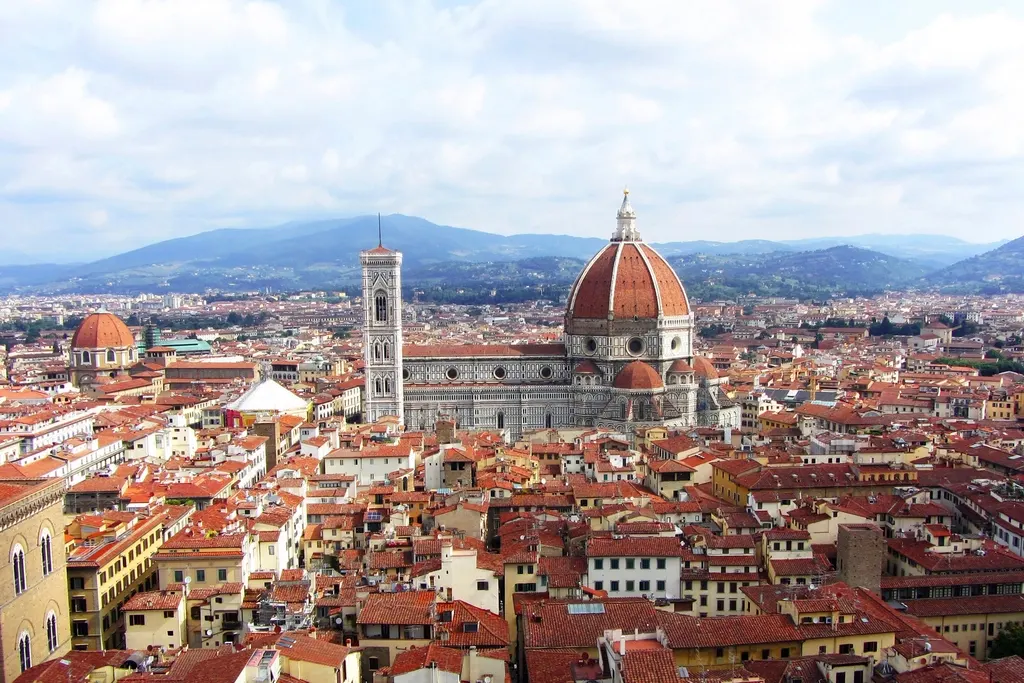
The tourist season has wound down by November. Major attractions operate on their winter schedules, and the long lines that would have stretched for hours in summer are gone. The city feels local again, with Florentines going about their daily routines in cafes and markets. The cooler air makes walking pleasant in a way that summer heat does not allow, though the dampness means you notice it more in the evening.
All Saints Day falls on November 1, and it is a public holiday in Italy. Many shops, restaurants, and some smaller museums close for the day or the long weekend. This is worth building into your plans. The closures are inconvenient if you arrive expecting everything to be open, but they also signal that you are experiencing the city on local terms rather than as a tourism commodity.
The reduced crowds change the pace of sightseeing. You can linger in the Uffizi or Palazzo Pitti without feeling pressured to keep moving. Evening dining feels more relaxed, and restaurant reservations are easier to secure. The tradeoff is shorter days and the likelihood of rain interrupting outdoor plans.
What to See
The Uffizi Gallery opened in 1560 as offices for the Medici magistrates, and it now holds a significant collection of Italian Renaissance art in the world. November is a good month to visit because the reduced crowds mean you can spend real time with individual works. The gallery closes on Mondays, so plan that day elsewhere.
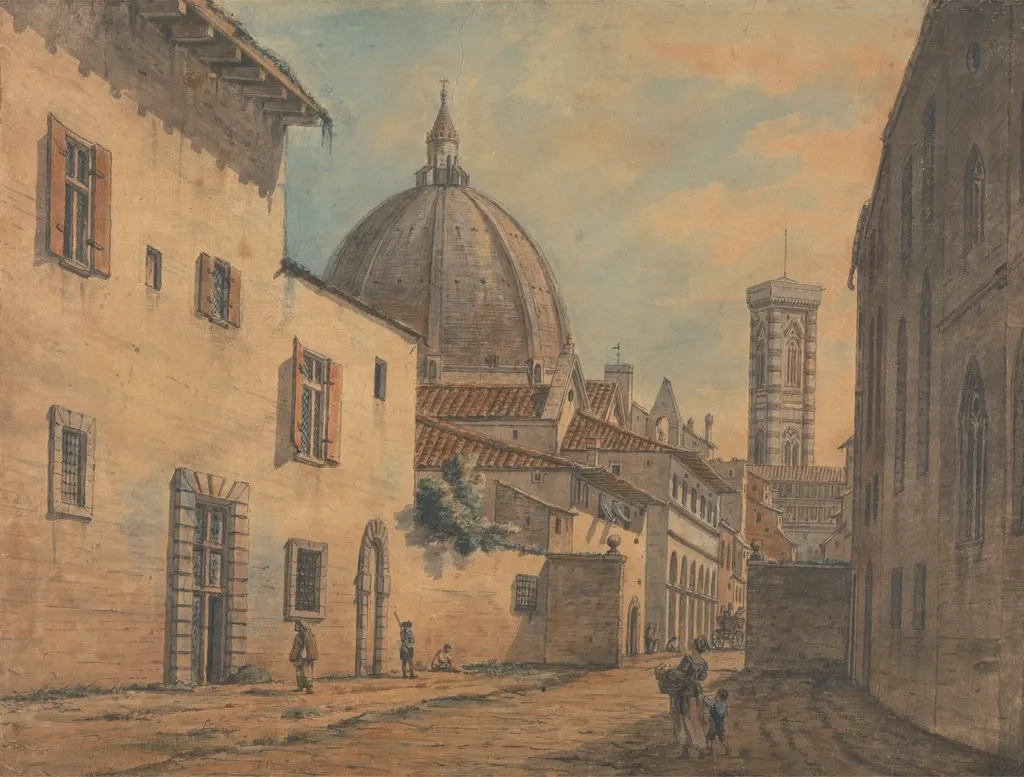
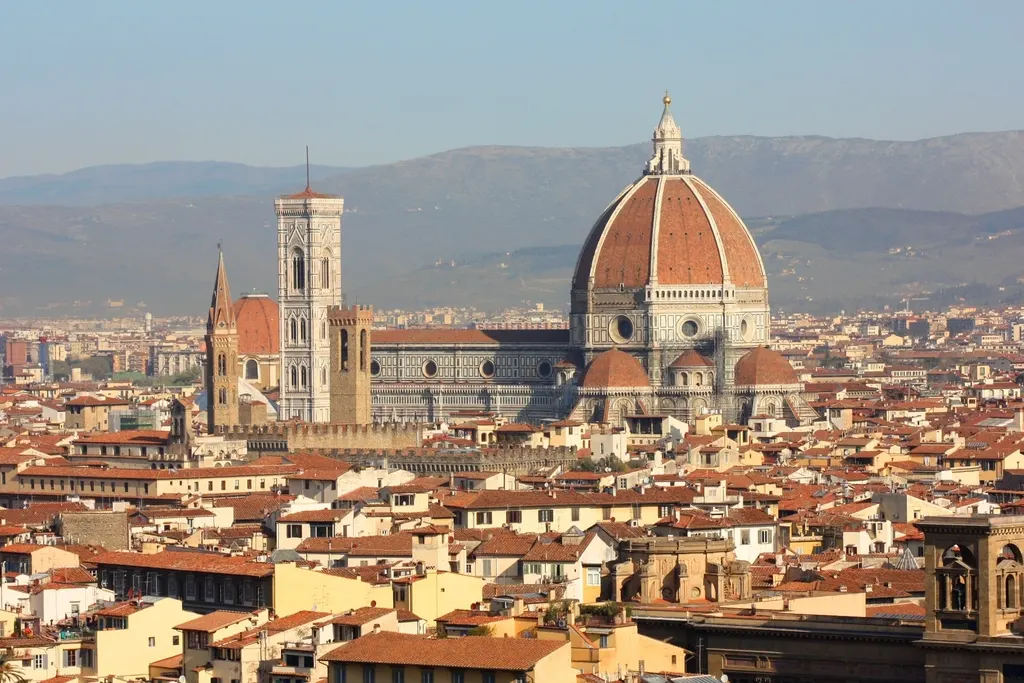
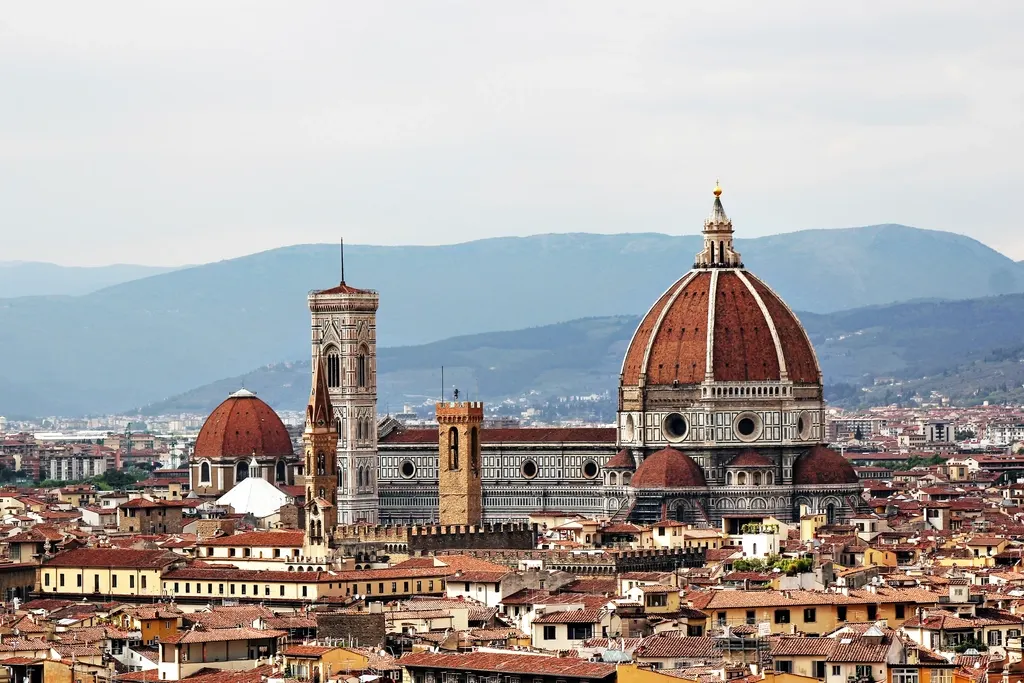
The Florence Cathedral was completed in 1296, and its terracotta dome remains the defining feature of the city skyline. Climbing the dome is harder in November than in warmer months because of the cold and the physical demands of the steps, but the cathedral interior is calm in ways it never is during peak season. The Baptistery dates to 1059, its bronze doors having influenced generations of artists.
Palazzo Pitti opened as a grand private residence in 1458 and later became an art museum housing the Palatine Gallery and the Modern Art Gallery. Its proximity to the Boboli Gardens makes it a natural pairing for a clear day. The gardens are less appealing in November when rain makes paths muddy, but the palazzo itself remains worth visiting in any weather. The Bargello National Museum opened in 1865 and holds a strong collection of medieval and Renaissance sculpture in a building that was once a prison and police station.
How to Plan the Days
With only 9.4 hours of daylight, mornings start late and darkness falls in the late afternoon. This means you cannot spread a single site across the whole day the way you might in summer. Prioritise outdoor sightseeing for the middle of the day when temperatures are at their warmest, even if that peak is only 11 degrees Celsius. Save indoor attractions for the morning or late afternoon when the light is softer inside.
Rain is likely enough that you should plan your days with indoor backups. Keep a lightweight waterproof jacket or small umbrella accessible. The museums and churches of Florence are well suited to rainy afternoons. If you get an unexpectedly dry day, use it for outdoor walks along the Arno or through the Oltrarno neighbourhood where Ponte Vecchio stands.
The pace should be slower than peak season. Two or three substantial sights per day is enough. The early closing times of winter schedules at some attractions also mean you cannot rely on filling every hour. Save energy for the evening, when Florentine restaurants and bars have a quiet charm that summer visitors rarely encounter. Dining late in the evening fits naturally here.
Practical Notes
The currency in Italy is the euro. Most hotels, restaurants, and shops accept major credit cards, though smaller markets and some cafes may prefer cash. ATMs are widely available. The language is Italian, and while many people in the tourism sector speak some English, learning a few phrases goes a long way in local shops and restaurants.
Dressing for November in Florence means layers. A warm base layer, a sweater or fleece, and a waterproof outer shell will serve you well. Comfortable, waterproof walking shoes are essential given the rain and the uneven stone surfaces of the city centre. A hat and gloves are useful for early mornings and evenings when 4 degrees Celsius feels colder than it reads.
Mobile phone coverage is reliable in the city centre. November is off-season for tourism, which means better availability and often lower prices for hotels than the spring and summer months.
What to pack
- A warm, waterproof jacket that layers over a sweater or fleece
- Comfortable walking shoes with good grip for wet stone streets
- An umbrella or compact rain poncho for sudden showers
- A warm hat and gloves for early mornings and evenings
- A small day bag or packable tote for museum visits and rainy walks
Questions
Is November a good time to visit Florence for sightseeing?
Yes, November is good for sightseeing because crowds are smaller and major attractions are easier to visit at your own pace. The tradeoff is cooler temperatures, shorter daylight hours, and likely rain on several days.
What should I pack for Florence in November?
Pack layers including a warm jacket, sweaters, and waterproof outerwear. Comfortable, waterproof shoes are essential. Bring a hat and gloves for cold mornings and evenings. An umbrella or rain poncho handles the frequent rain.
Are attractions open on November 1 in Florence?
November 1 is All Saints Day, a public holiday in Italy. Many shops, smaller museums, and some restaurants close for the day. Major state museums may remain open, but check in advance and plan accordingly.