London in November
14 October 2026, 3 min read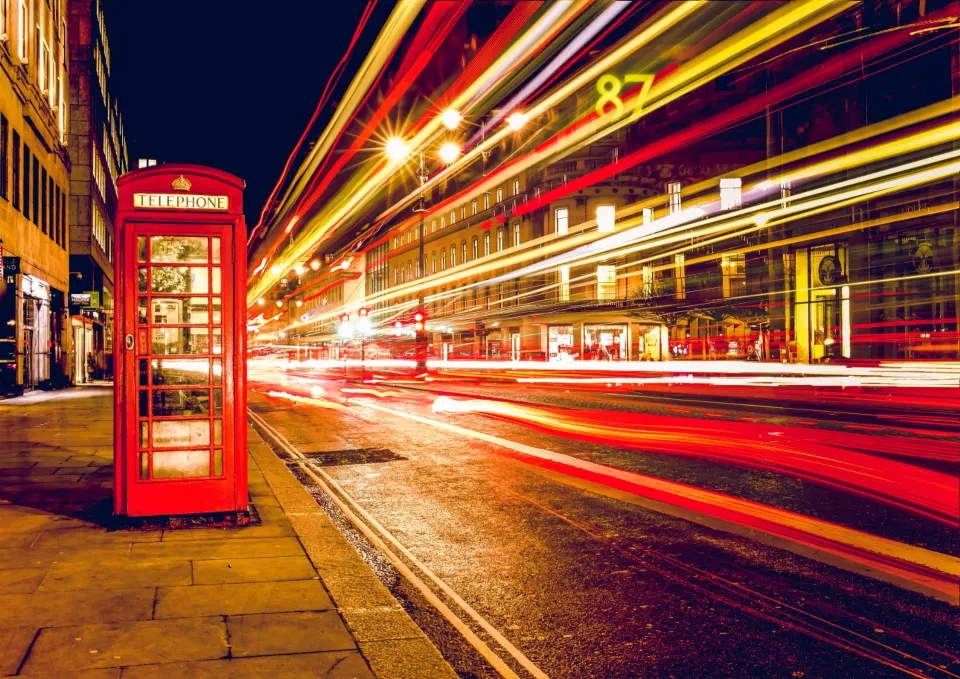
November is a reasonable month to visit London, particularly for those who prefer fewer crowds and don't mind rain. The city suits visitors who plan their days around indoor attractions and early sunsets.
What the Weather Is Really Like
November brings a high of 10°C (50°F) and a low of 4°C (39°F) to London. This is considerably cooler than July, the hottest month at 23°C (73°F), though not as cold as January, which averages 7°C (45°F). You will feel the difference from summer quickly, so pack layers and a decent coat.
Rainfall averages 65mm across the month with humidity at 92 percent. That combination means drizzle is likely on several days, though not constant downpours. Daylight shrinks to 8.6 hours, with darkness arriving early in the afternoon. The city feels dimmer than in peak season, which shapes what you can realistically fit into each day.
Fog can appear during November mornings, particularly near the Thames. When it does, outdoor visibility drops noticeably and some attractions may have limited views. Checking conditions each morning helps you adjust plans accordingly.
What the Month Feels Like in the City
November sits outside the main tourist season, so popular attractions draw smaller crowds than summer or the Christmas period. This applies to the major museums and landmarks alike. Without the pressure of peak-season numbers, you can move through spaces more freely and spend longer at exhibits that interest you.
There are no public holidays listed for November, which means no bank holidays or national closures to work around. The city operates normally throughout the month. Early darkness does change the rhythm of a visit though. Mornings feel like the most useful part of the day, while evenings arrive quickly and tend to keep people indoors.
The city has a different pace in November. Shops and restaurants remain fully open, but the frenetic energy of summer tourism has faded. You will notice more locals going about their daily routines, which can make certain neighbourhoods feel more authentic.
What to See
Westminster Abbey dates back to 901. November's quieter conditions make a visit here more reflective than during busy summer months. Allow time to walk the nave and cloisters without feeling rushed through. The building's significance in British history is apparent even on a brief visit, and the smaller crowds mean you can appreciate the space more fully.
The British Museum, opened in 1753, offers extensive indoor coverage across its galleries. This is a practical choice for a rainy November afternoon. The collection spans centuries and continents, giving you shelter and substance in equal measure. The same logic applies to the British Library, opened in 1973, where the reading rooms provide a calm environment regardless of what is happening outside.
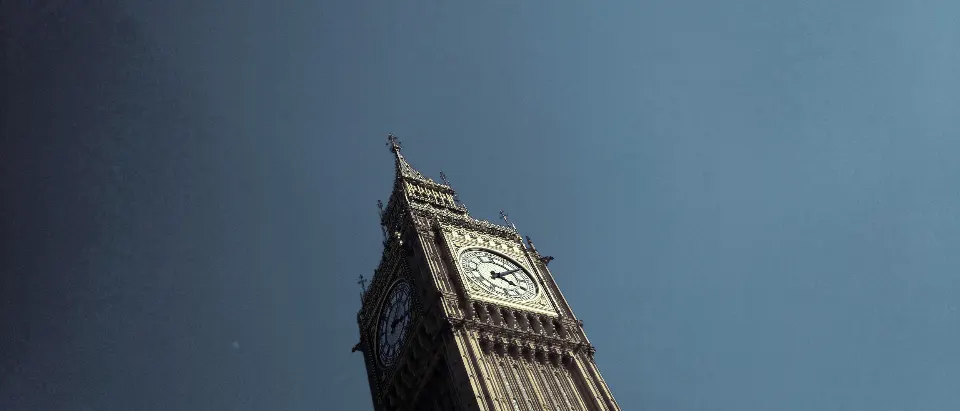
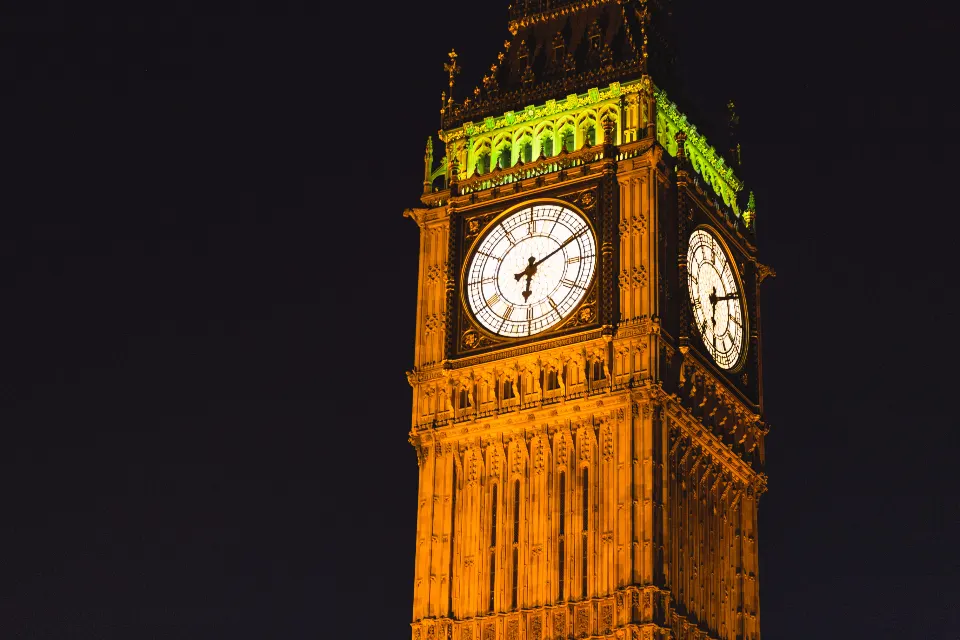
For outdoor sights, Tower Bridge, opened in 1886, is worth crossing on foot. The bridge itself takes only a few minutes to cross, but the views up and down the Thames are worth pausing for, weather permitting. Tower of London, opened in 1066, works best as a morning visit when you have more daylight to explore the grounds and castle walls. Palace of Westminster, used as the parliament building, sits nearby and its Gothic exterior is best seen in morning light.
How to Plan the Days
With only 8.6 hours of daylight, mornings become your most productive window. Plan outdoor sightseeing and walking during the middle part of the day, then shift to indoor attractions in the afternoon. This way you use the available light where it matters most.
The high humidity and regular rain mean you should expect to duck inside at various points during the day. Build flexibility into your plans rather than scheduling every hour. A museum visit or a long lunch can fill a wet hour productively. Evenings are short and dark early, so dinner plans and indoor entertainment make more sense than extended evening walks.
Pacing yourself matters more in November than in summer. The reduced daylight and cooler temperatures mean you will tire more quickly outdoors. Schedule rest periods between major attractions and save the most demanding sights for when you are freshest.
Practical Notes
The local currency is the pound sterling. Language is English throughout the city, making communication straightforward for most visitors. Tipping is customary in restaurants, usually around 10 to 15 percent for sit-down meals.
For November temperatures, dress in layers. A warm base layer, a mid-layer such as a sweater, and a waterproof outer shell will see you through most conditions. Comfortable waterproof shoes are essential given the rain. A small umbrella fits in a bag for use when showers arrive unexpectedly.
Electricity is the standard UK voltage. Mobile phone coverage is reliable throughout central London. Public transport runs frequently, but consider the earlier darkness when returning to your accommodation in the evening.
What to pack
- A waterproof coat with a hood
- Layers including a warm mid-layer
- Waterproof shoes or boots
- A compact umbrella
- A day bag with room for extra layers
Questions
Is November a good time to visit London?
Yes, if you prefer quieter attractions and don't mind cool, damp weather. The trade-off is shorter daylight hours and regular rain.
What should I pack for London in November?
Pack layers, a waterproof coat, sturdy shoes, and a small umbrella. Temperatures range from 4°C to 10°C.
Are attractions crowded in November?
Crowds are generally smaller than in summer or at Christmas. Major museums and landmarks are easier to visit at a relaxed pace.