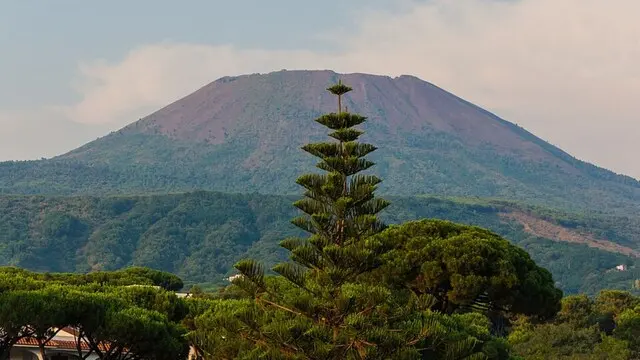
Mount Vesuvius (Italy) | Situated close to Naples, Mount Vesuvius is one of the most renowned volcanoes globally, famous for its eruption that overwhelmed the ancient city of Pompeii in AD 79. Its most recent eruption was in 1944, but it is still monitored as an active site. Visitors can ascend to about 1,000 meters above sea level and then follow a well-kept trail leading to the crater rim, which takes approximately an hour. The climb offers breathtaking vistas of the Bay of Naples, Pompeii, and the nearby coastline. Plan your trek through the Vesuvio National Park, which features numerous walking trails. (Image source: Wikimedia Commons)
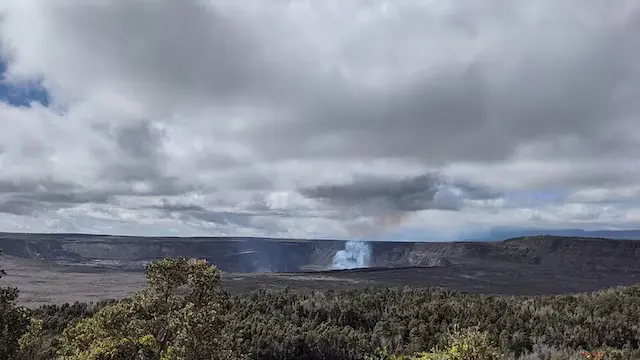
Kīlauea (Hawaii, USA) | Rising just above 4,000 feet (1,247 meters), Kīlauea is one of the globe’s most active and stunning volcanoes. Visitors can traverse more than 150 miles of trails in Hawaii Volcanoes National Park, including walks along the crater rim like the Devastation Trail. Scenic helicopter rides provide incredible views of recent lava landscapes. Pro tip: Visit at night to see the glow of lava from designated safe viewpoints. (Image source: Wikimedia Commons)
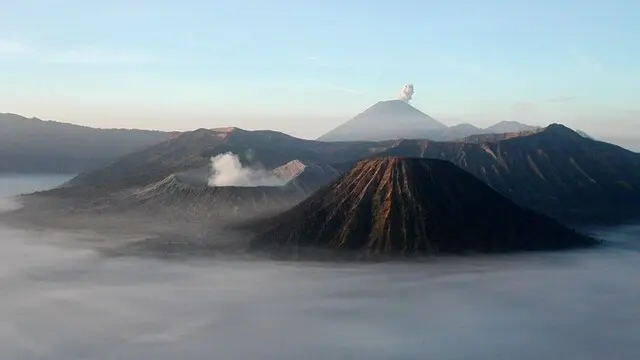
Mount Bromo (Indonesia) | This consistently active volcano, positioned in East Java, emerges from a vast expanse of ash plain, forming one of the most visually stunning volcanic terrains in Indonesia. Visitors can reach the crater through hiking or horseback riding across the volcanic plain, followed by a climb up a staircase to the crater rim. The volcano holds significant cultural importance for the Tenggerese people, who assemble annually during the Kasada festival to present offerings of flowers, crops, and livestock into the crater as part of a deep-rooted tradition. Waking up early to witness the sunrise over this volcanic panorama from the rim is highly recommended. (Image source: Wikimedia Commons)
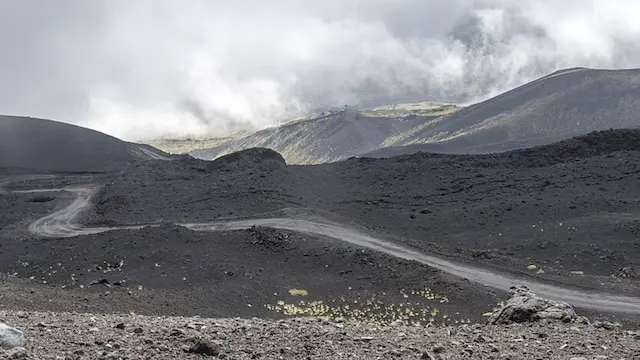
Mount Etna (Sicily, Italy) | The tallest and most active volcano in Europe overshadows eastern Sicily, continually creating lava flows and volcanic eruptions that have reshaped the island over millennia. Depending on the daily volcanic conditions, tourists can embark on guided excursions ranging from walks on ancient lava fields to hikes leading towards the summit craters. On clear days, breathtaking views can be had from the upper slopes, showcasing the Ionian, Adriatic, and Mediterranean seas. A scenic railway encircles the lower slopes of the volcano, passing through lava fields, vineyards, and quaint villages that thrive on Etna’s nutrient-rich volcanic terrain. (Image source: Wikimedia Commons)
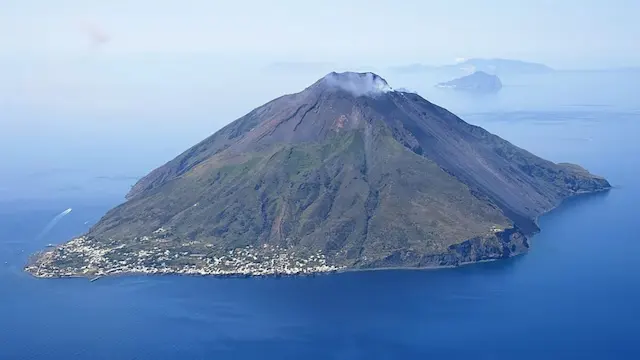
Mount Stromboli (Italy) | Located on a small island north of Sicily, Mount Stromboli has been consistently erupting for approximately 2,000 years, earning the title “The Lighthouse of the Mediterranean.” Unlike other volcanoes that remain dormant for long periods, Stromboli experiences regular bursts of lava, ash, and volcanic gases at all times of the day. Boat tours are a favored way to observe the volcano, especially at sunset when eruptions light up the Sciara del Fuoco, the steep slope that descends into the ocean. (Image source: Wikimedia Commons)