






This growth underscores a heightened awareness of risks amidst increased international travel, regular flight interruptions, and unpredictable winter weather. Nonetheless, the majority of travellers are still budget-conscious.
Policies with a sum insured of ₹50,000 represent 86% of all sales, while those at ₹1 lakh account for about 10%, suggesting a clear preference for basic coverage at affordable premiums, according to the report.
Importance of delay and baggage covers
Industry insights reveal why these types of coverage are becoming increasingly significant.
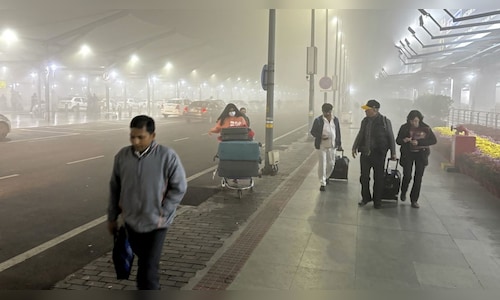
As per DGCA statistics mentioned by insurers, 75% of flight cancellations in January 2025 were due to weather-related factors, and flight disruptions along with baggage claims represent the largest portion of passenger grievances.
“During holiday peaks and foggy winters, having comprehensive coverage for delays, cancellations, and lost luggage is vital for financial security,” remarked Vivek Chaturvedi, CMO and Head of Direct Sales at Go Digit General Insurance, in a discussion with CNBC TV18.
He emphasized that travellers should pay attention to the delay threshold specified in policies, since compensation usually starts only after a predetermined waiting period.
For international journeys, this is commonly four hours, whereas domestic policies might have lower thresholds.
Some insurers also include cancellation cover initiated by airlines due to severe weather, although these benefits often exclude cancellations due to regulatory or governmental actions.
Common oversights by last-minute travellers
Chaturvedi pointed out that those planning trips at the last moment frequently downplay the occurrence of flight and baggage disruptions. DGCA data indicates that flight-related complaints make up nearly 38% of passenger issues, while baggage complications account for about 19%.
“These risks are quite prevalent, yet travellers don’t always ensure that their policies explicitly address them,” he stated. He also noted that insurance can still be purchased shortly before departure, either directly from insurers or during the booking of flights and hotels on online travel platforms.
Weighing premium costs against coverage
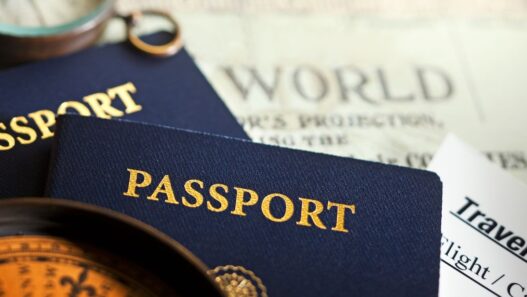
The Niyo report indicates that travellers are becoming more strategic in their planning, with about 57% of visas booked more than 30 days ahead, reflecting a broader trend toward cost management and reduced uncertainty.
According to Chaturvedi, insurance premiums constitute only a small portion of total travel expenses, even during busy seasons.
“With premiums starting as low as ₹49, the cost of insurance is minimal compared to airfare and hotel rates, which often escalate during holiday periods,” he said.
He highlighted instances where low-priced policies provided coverage for significant medical emergencies abroad, emphasizing the necessity of medical and evacuation coverage in addition to trip disruption benefits.
Key clauses travellers should scrutinize
Experts recommend that travellers carefully examine policy details, particularly exclusions concerning pre-existing medical conditions, adventure sports, minor delays below set thresholds, and cancellations made well in advance. Limits on accommodation expenditures and strict timelines for claims also warrant close attention.
For winter and holiday travel, it’s crucial to closely review fog- and weather-related clauses, as not all disruptions qualify for claims automatically.