








Niacinamide has rightfully earned its reputation as one of skin care’s hardest-working ingredients. The multitasking active does it all: It can help brighten dull skin, minimize the appearance of pores, reduce redness, strengthen the skin barrier and improve overall texture, all while being gentle enough for most skin types. Whether you’re dealing with dark spots, excess oil or uneven tone, there’s a good chance the product you reach for contains niacinamide.
A form of vitamin B3, niacinamide is gentle enough for most skin types — most skin-care products use a concentration between 2 and 10 percent, with cosmetic chemist Ron Robinson noting the majority of research has focused on 5 percent and below. Omaha dermatologist Joel Schlessinger, MD notes it may be a good option for those with sensitive skin who can’t tolerate more potent ingredients such as vitamin C and retinoids.
Ahead, we’re diving deeper into niacinamide’s benefits, best uses and the top products worth adding to your routine.
What Are the Benefits of Niacinamide?
Cosmetic formulator Stephen Alain Ko and Robinson both credit Olay with putting topical niacinamide on the map. (The brand has been studying the ingredient for decades.)
“In the 1990s, Olay scientists conducted an ingredient screening program to identify new candidates for cosmetic skin health and appearance,” says Olay’s principal scientist Frauke Neuser. “They proceeded to discover niacinamide’s multiple topical benefits, including the reduction of the appearance of lines, wrinkles and pores; visibly diminished redness, blotchiness, spots and shine; and increased skin surface cell turnover, which were ultimately demonstrated in several clinical studies.”
Of these scientifically proven benefits, Dr. Schlessinger says the biggest is that it reduces inflammation, which plays a key role in the redness that accompanies common skin conditions like acne, eczema, rosacea and more. New York dermatologist Doris Day, MD counts barrier repair and moisturization as two other merits: “It supports the synthesis of ceramides—think of them as the glue that holds skin cells together, in a good way, preventing excess water loss from the skin and allowing the skin to rejuvenate itself.” Plus, it’s an antioxidant, which means it helps neutralize free radicals and protect skin against the damaging effects of pollution, blue light and the sun.
Does Niacinamide Help with Acne?
Those who suffer from acne and oily skin may find relief with niacinamide. “Its anti-inflammatory properties allow it to soothe and comfort irritated skin, making it a great fit for acne products,” Robinson explains. Dr. Day agrees, crediting the ingredient’s ability to lower sebum excretion: “Sebum control is important in patients with acne, and less sebum can also reduce shine, making pores appear smaller.”
Birmingham, AL dermatologist Corey L. Hartman, MD adds that niacinamide can also help prevent scarring from acne flare-ups. “It enhances barrier function by increasing protein production within skin cells, which strengthens the skin. It has also been shown to increase the production of collagen, which can make skin look smoother and more even.”
Can You Use Niacinamide with Vitamin C?
Can niacinamide and vitamin C be used together? The short answer is yes. According to Dr. Schlessinger, “a study dating back to the 1960s suggested the two shouldn’t be used in tandem because their combination could result in an undesirable by-product called nicotinic acid, which can cause skin redness. More recent research, however, shows that the ingredients are just fine to use in combination, and in fact, they’re actually now being formulated together in many products.”
There have also been reports of the two actives canceling each other out, but Ko says this is a myth. “They form a yellow compound called niacinamide ascorbate that may actually be useful for diminishing hyperpigmentation,” he explains. “Unless a person sees flushing, which is consistent redness and itching in only the areas where the product is applied, then the combination is likely fine.” Another ingredient pairing that has shown to be effective in reducing dark spots and hyperpigmentation, according to Ko, is niacinamide and N-acetyl glucosamine (NAG).
Can You Take Niacinamide Orally?
Found in kale, avocados, almonds and other nutrient-dense foods, vitamin B3 is essential for a healthy diet, and can help promote lower cholesterol and glowing skin, among other perks. For those who don’t eat enough of the vitamin, oral niacinamide supplements are available—they typically go by the name nicotinamide—and Dr. Day takes them daily. “They’re safe and effective, and have been shown to help slow the development of skin cancers,” she says. “Niacinamide is one of my favorite ingredients, both topically and orally.”
A 2015 study published in American Health & Drug Benefits found that nicotinamide pills cut the rate of new squamous-cell and basal-cell skin cancers in high-risk patients by 23 percent when taken twice daily for a year. They also lowered the risk for actinic keratosis, a common skin precancer. “Nicotinamide should be an integral part of any skin cancer–prone individual’s regimen,” says Dr. Schlessinger, who recommends the HELIOCARE Advanced Antioxidant Supplement With Nicotinamide ($38). To reap the protective benefits of B3, Dr. Hartman suggests a dose of 1,500 to 3,000 milligrams per day.
The 11 Best Niacinamide Products to Try in 2026
1 / 11

2 / 11
3 / 11
4 / 11
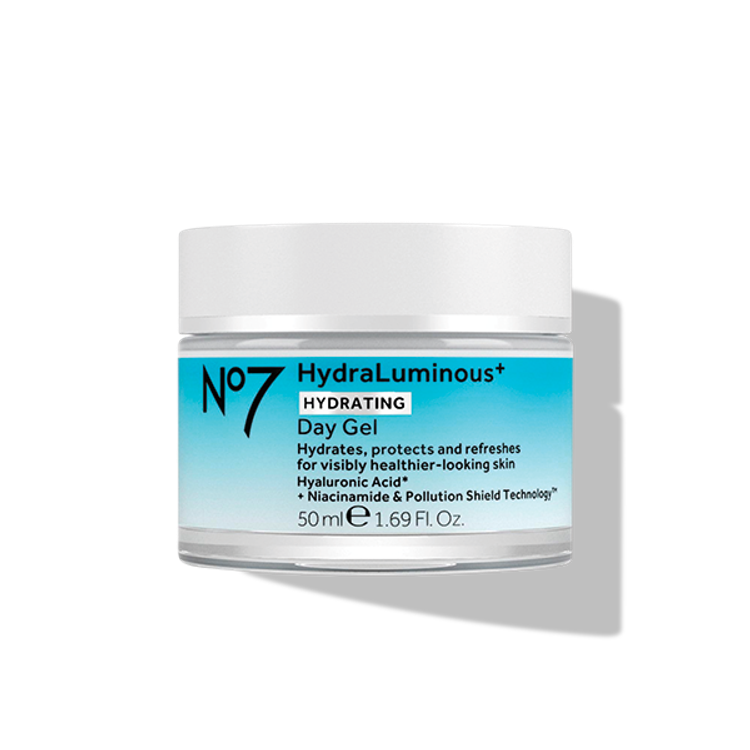
5 / 11
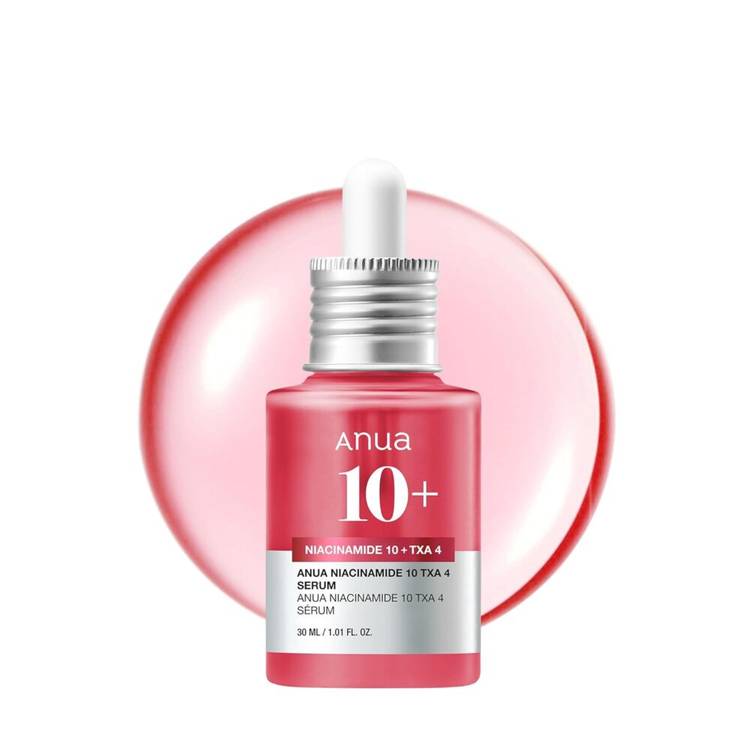
6 / 11
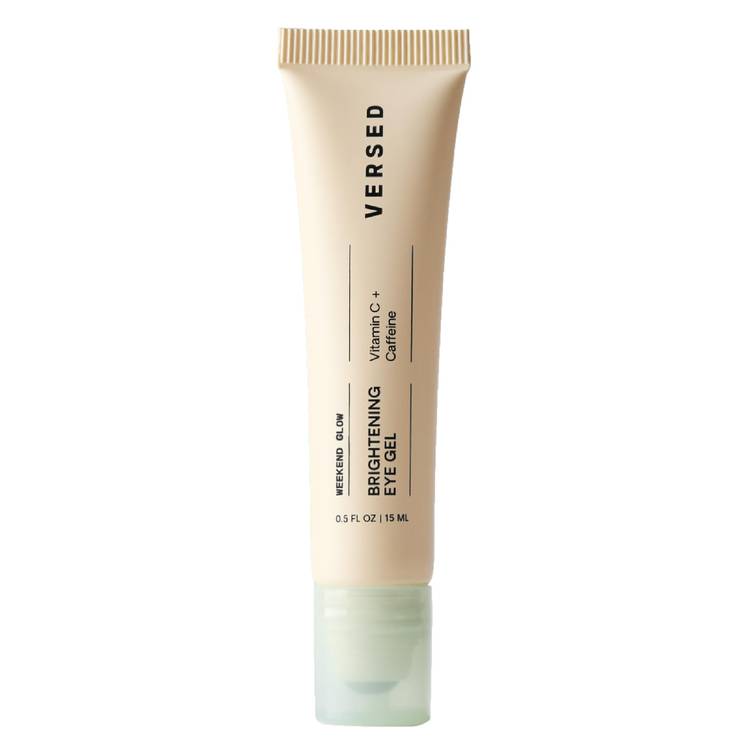
7 / 11
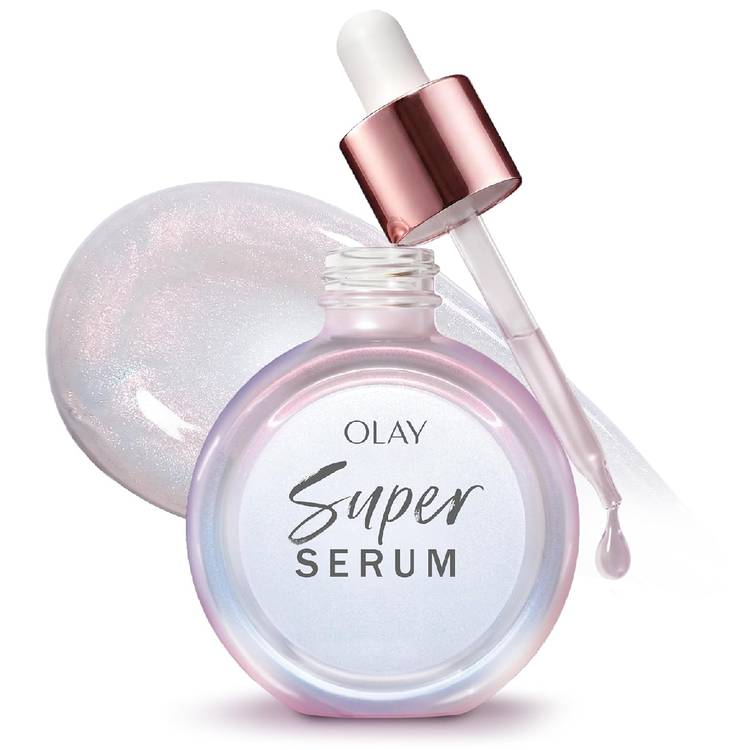
8 / 11
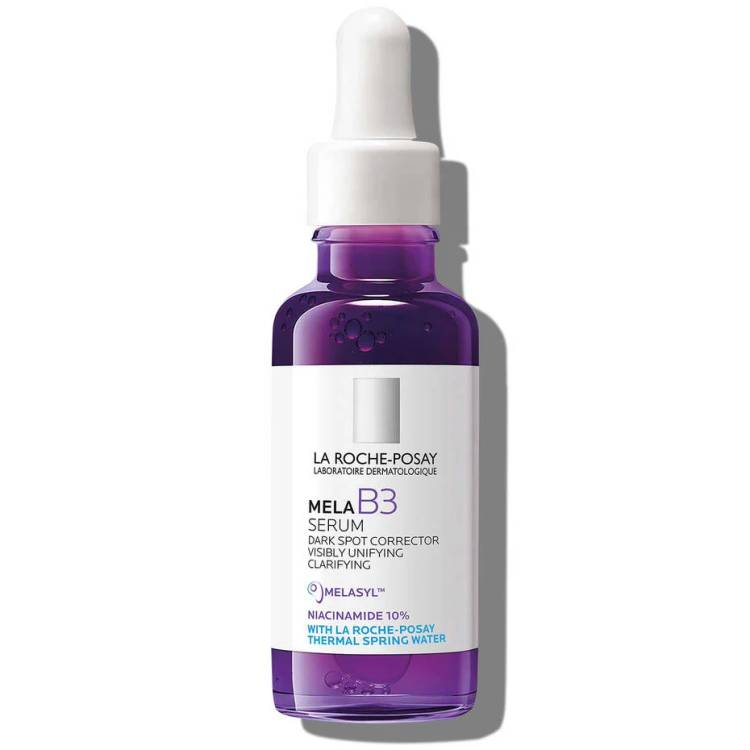
9 / 11
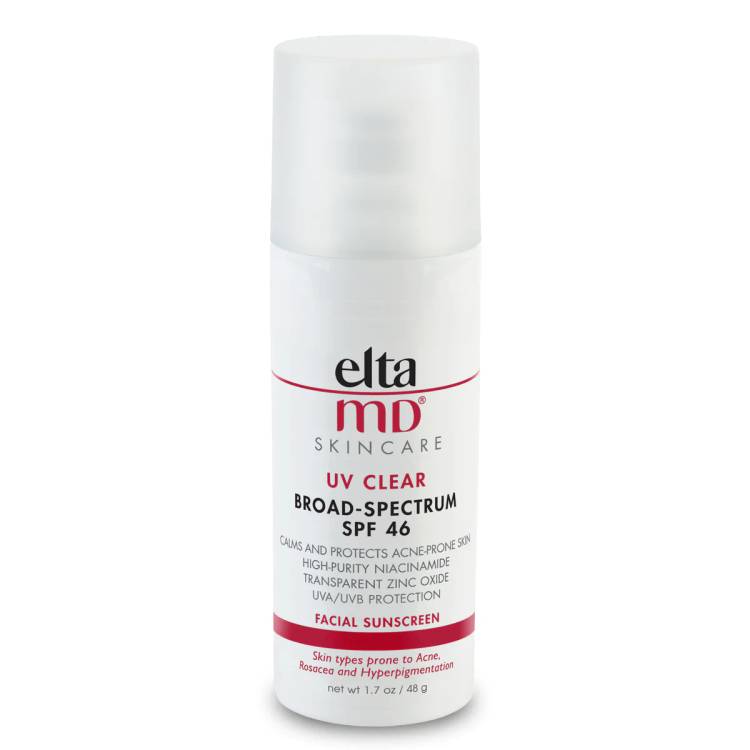
10 / 11
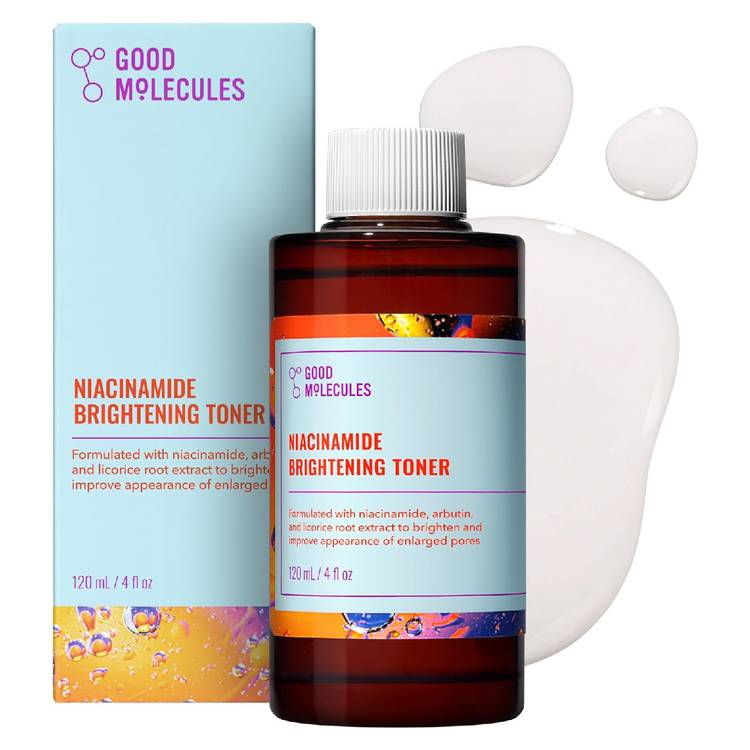
11 / 11