The Nivea Crème in Your Medicine Cabinet Just Turned 115—Here’s Why It’s Still Unbeatable
17 May 2016, 2 min read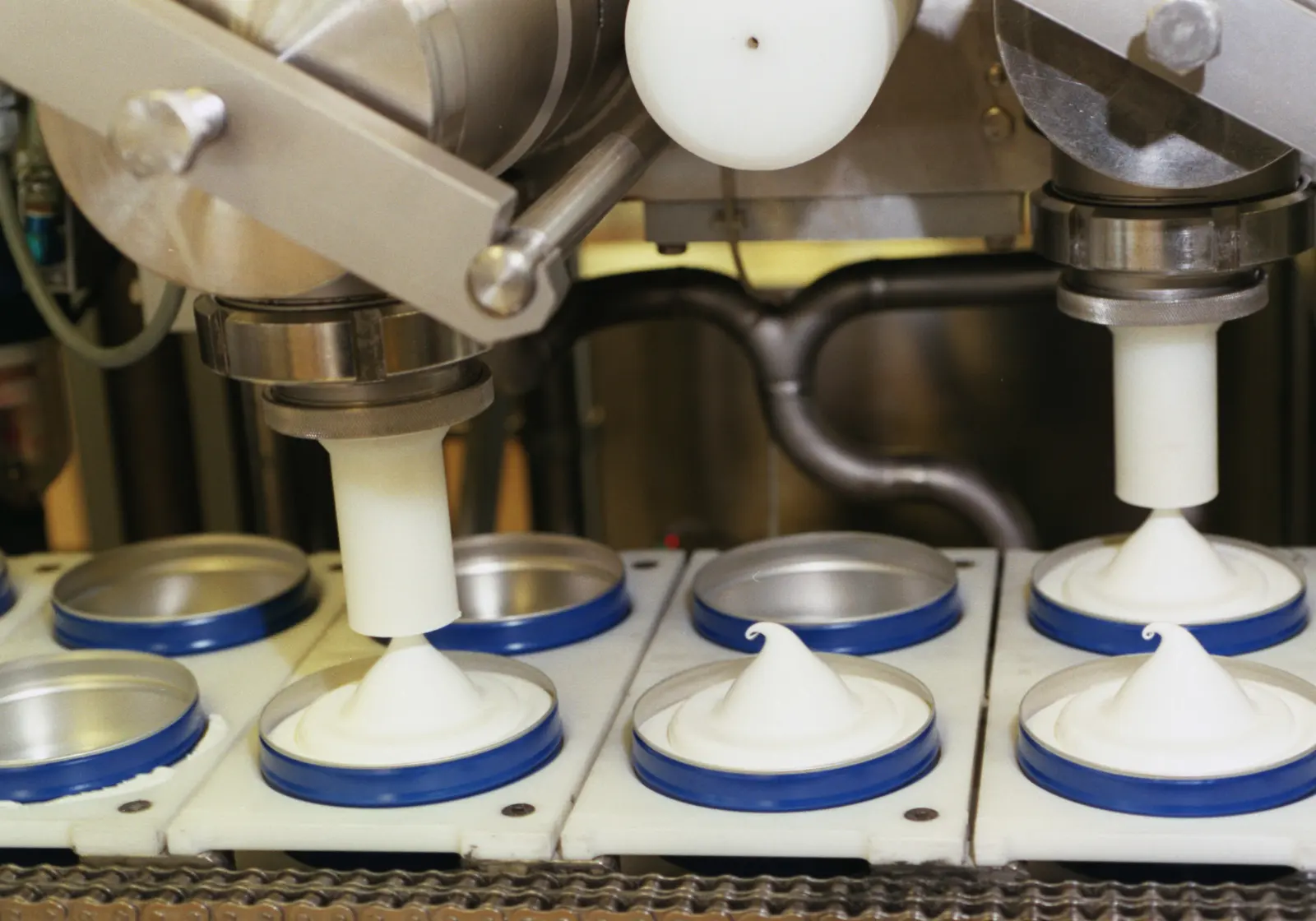
Before your retinol, before your peptides, before the 12-step routine, there was a little blue tin that launched in 1911 and has been quietly outperforming everything that came after it. Nivea Crème ($8) turns 115 this year, and it’s still one of the most scientifically interesting moisturizers on the market. Here’s what most people don’t know about it.
There’s a Reason Nivea Is Called Nivea
Nivea comes from the Latin niveus, meaning snow-white, a nod to the cream’s signature bright-white color. Simple, elegant and 115 years ahead of the minimalist naming trend.
Nivea Crème Is Formulated Differently Than Most Moisturizers
When it comes to formulation, Nivea Crème flips the script. “Most body moisturizers are a type of emulsion called oil in water,” explains cosmetic chemist Kelly Dobos. “The majority of these lotions are water, about 70 to 80 percent.”
Nivea Crème is a water-in-oil emulsion, where oil makes up the larger portion. “A W/O emulsion can pack in a higher concentration of emollient ingredients to bolster the skin’s barrier properties and provide long-lasting hydration,” Dobos explains. “But W/O emulsions are more difficult to stabilize.”
Nivea Crème’s Formula Has Barely Changed in 115 Years
“Except for a few small changes to fragrance and preservatives to meet changing consumer and regulatory trends, the product’s efficacy and popularity have stood the test of time,” Dobos says.
One thing that did change (all the way back in 1924) was the color of the tin. Up until this time, the cream was housed in a yellow tin with green writing—until Juan Gregorio Clausen, Head of Advertising at Beiersdorf, spotted three cheerful, cheeky, fresh-faced young brothers and made them the new stars of Nivea advertising. That same year, a new design concept debuted: the now-iconic blue tin, which remains the brand’s signature shade today.
Nivea Crème Was Born in a Pharmacy
Dr. Oskar Troplowitz developed the formula in 1911 after recognizing the moisturizing power of lanolin, an ingredient he called “Eucerit.” It was the first stable water-in-oil emulsion made for mass production.
The Star Ingredient Comes From Sheep
Lanolin is a waxy substance secreted from the sebaceous glands of sheep, forming a natural waterproof coating on wool fibers. “Sheep must be shorn periodically to prevent their fleece from becoming too heavy,” Dobos says. “Lanolin is obtained from washing of the shorn fleece so it is natural and renewable. The concentration of raw wool wax can vary from 5 to 25 percent of the shorn fleece.”
Beiersdorf, Nivea’s parent company, has even published an entire book based on years of research into lanolin and its derivatives.
Nivea Crème Is Still One of the Best Moisturizers You Can Buy
The fact that this blue tin is still in bathrooms, gym bags and medicine cabinets around the world — 115 years after launch — is a testament to something rare in beauty: a formula so close to perfect that barely anything needed to change.
Shop Nivea Crème