








A great hair day doesn’t have to mean heat damage and hours of work, and more people are starting to believe it. Heat-free and essentially effortless, air-drying has become the go-to approach for anyone rethinking their hair health from the ground up.
“Air-drying is really the no-makeup makeup approach to hair,” says Dianna Cohen, founder of hair-care brand Crown Affair. “It’s about enhancing your natural texture rather than transforming it.”
Done well, the air-dry isn’t a compromise—it’s a practice—and according to Cohen, it’s perfectly timed. “There’s a broader cultural shift happening around slowness and intention. People want routines that feel good, not just routines that produce a result.” If you’ve been trying to nail the perfect air-dry, consider this your guide.
The Method: 5 Steps to an Effortless Air Dry
1. Start in the Shower
The perfect air-dry starts before you even step in the shower. If you have straight or wavy hair, brush your hair before you wash it, not after. “This means less breakage when hair is wet and vulnerable,” says Cohen.
In the shower, reach for products suited to your specific texture. Celebrity hairstylist Eddy Scudo recommends lightweight formulas for fine hair and more smoothing, hydrating options for thicker, frizz-prone strands.
“I always say if the base isn’t right, nothing you do after will fix it,” he says. “You want to use products that support your natural texture, not fight it.”
Celebrity hairstylist and curl specialist Araxi Lindsey says two often-skipped steps make all the difference: “It’s really important to brush conditioner through your hair while you’re in the shower. Then rinse it with cool water to close the cuticle.” This sets the stage for everything that follows.
2. Towel Dry Gently
Because hair is most vulnerable when it’s wet, gentle drying is key to nailing an air-dried style. Wet hair fibers swell, making them far more prone to breakage, and a traditional cotton towel is often too rough, creating friction that leads to frizz.
Instead of rubbing your hair dry, gently squeeze or scrunch it upward with a microfiber or soft-weave towel—a cotton T-shirt works, too.
“The best way to towel-dry your hair is to cup it from the bottom and gently squeeze,” says Lindsey. “If you have curls, try not to separate them while towel drying.”
Cohen says to remember that “you’re trying to absorb moisture, not disturb your hair’s natural pattern.” If you can, leave your hair wrapped or undisturbed for 20 or 30 minutes. You want it to be a bit damp—not completely dry—when adding styling products.
3. Layer Your Products
Think of layering lightweight products into your hair the same way you’d layer your skin care. Starting with a leave-in conditioner as a base is a good rule of thumb for every hair type.
From there, build according to your texture, working in sections for thicker, curlier hair types.
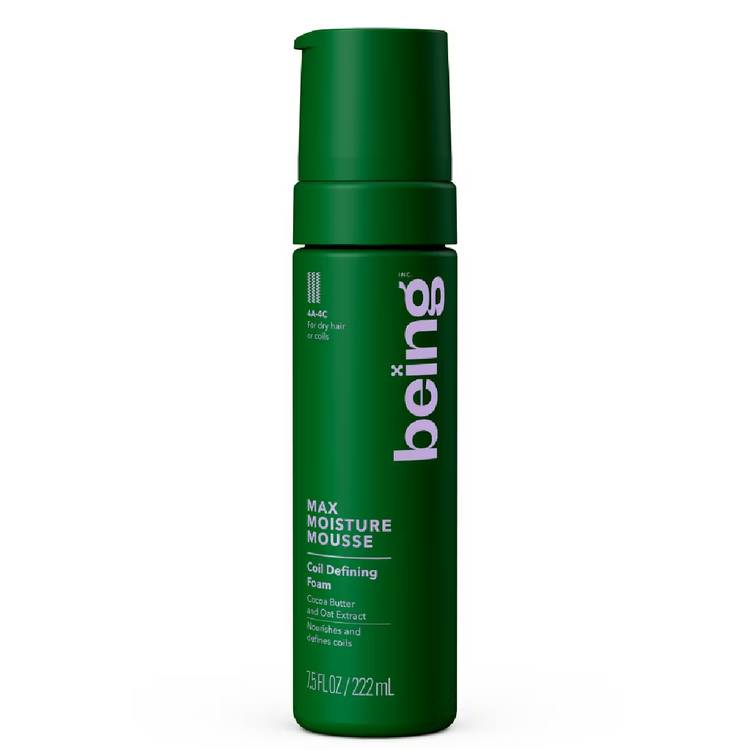
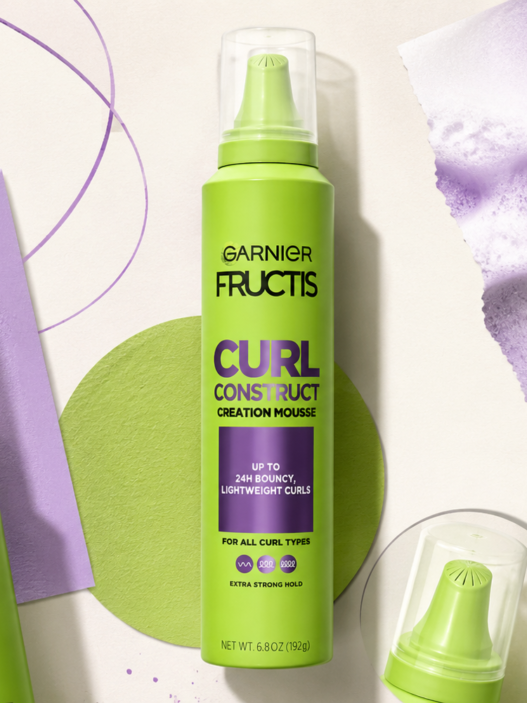
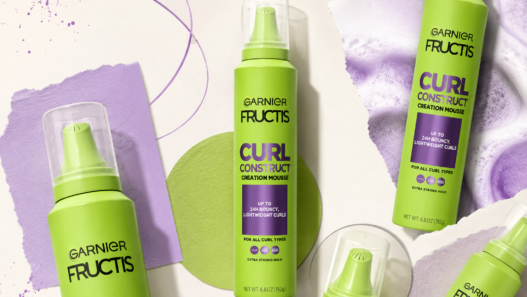
“Use something airy like a mousse for fine hair, a cream for waves, and a gel for curls if you want more definition,” explains Scudo. “It’s all about enhancing what you naturally have without making it feel heavy.”
4. Set the Shape
This is the step most people skip, and Scudo says it’s arguably the most important.
“Once your styling products are in, you need to guide your hair into the shape you want it to dry in—scrunching, twisting or even just placing it where you want it to fall.”
For wavy or straight hair, try Cohen’s twist-and-clip method: Working in sections, gently twist and clip at the root with a claw or double-prong clip. Leave for at least an hour, or until hair is mostly dry.
“When you release them, you’ll get this beautiful, effortless wave that looks like you did a lot more than you actually did—no heat required,” she says.
Curl patterns vary, so find what works best for you—finger coiling, pinning, or other methods. Lindsey emphasizes doing your best not to disrupt your natural curl pattern.
5. Hands Off
“Once you’ve set your shape, the key is not to touch it,” says Scudo.
Trust the process, resist the urge to check, and let your hair dry on its own terms.
“The more you move it, the more you risk frizz.”
Troubleshooting
Even with the right technique, air-drying has a learning curve. Texture varies, humidity shifts and some days your hair simply has its own agenda. Here’s how to solve the most common problems.
If your hair gets frizzy…
“It either needs more hydration or it’s been touched too much while drying,” says Scudo.
- Apply products to damp—not dry—hair
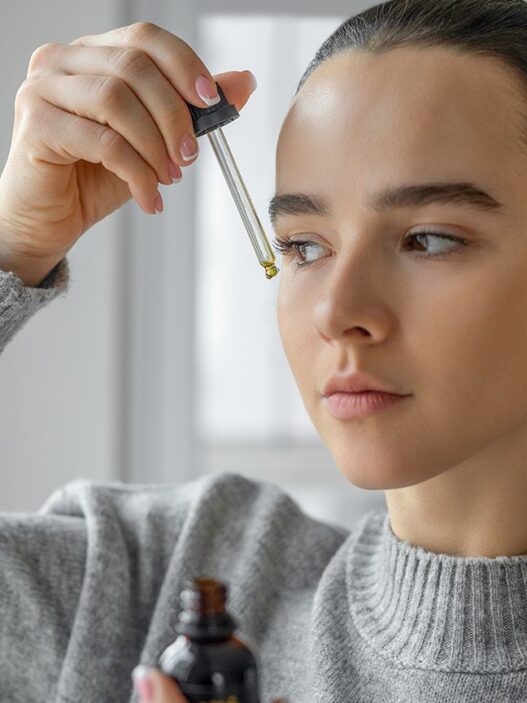
- Add a drop of hair oil to seal the cuticle
- Don’t touch hair while drying
“Every time you run your fingers through damp hair, you’re disrupting the cuticle and inviting frizz in,” adds Cohen.
If your curls fall flat or look stretched…
Your products may be too heavy or lack hold.
- Switch to lighter formulas or add gel
- Gently break curls apart at the base once dry
“The more you break up the curls at the base, the grander your style will appear,” says Lindsey.
If curls lose shape completely, don’t revive them dry—re-wet and start fresh.
If your hair takes forever to dry…
- Use lighter products
- Blot longer with a microfiber towel
“Be patient with air-drying,” Cohen says. “It takes longer to learn your hair’s natural texture than it does to blow it out. But once you do, you’ll never look back.”
If your ends look dry or stringy…
Sometimes it’s product—but often it’s time for a trim.
“Clean, healthy ends always make the biggest difference,” says Scudo.
Quick fix:
- Mix serum with leave-in conditioner
- Apply to ends
- Finger-roll and pin until dry
“To prevent dry ends,” Cohen suggests:
- Add oil before hair dries
- Use deep conditioning treatments
- Sleep on a silk pillowcase
- Use fabric-covered elastics
“Over time, the health of your ends reflects the whole routine.”
The Refresh: Making It Last
The air-dry doesn’t end on wash day. Learning to maintain your style—stretching it across two or three days—is where the real time savings happen.
On non-wash days:
- Rehydrate without resetting
- Use leave-in conditioner on mid-lengths and ends
- Apply dry shampoo at the roots
Dropped waves can often be revived with moisture and scrunching.
For curls, Lindsey recommends only re-wetting when the pattern is completely lost.
The key principle: Work with what’s already there rather than starting over.
Air Time
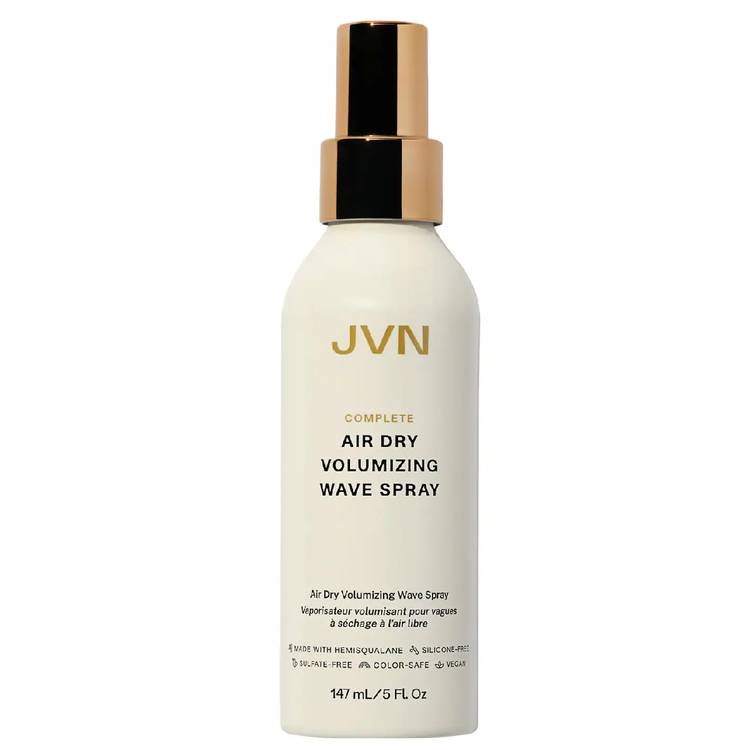
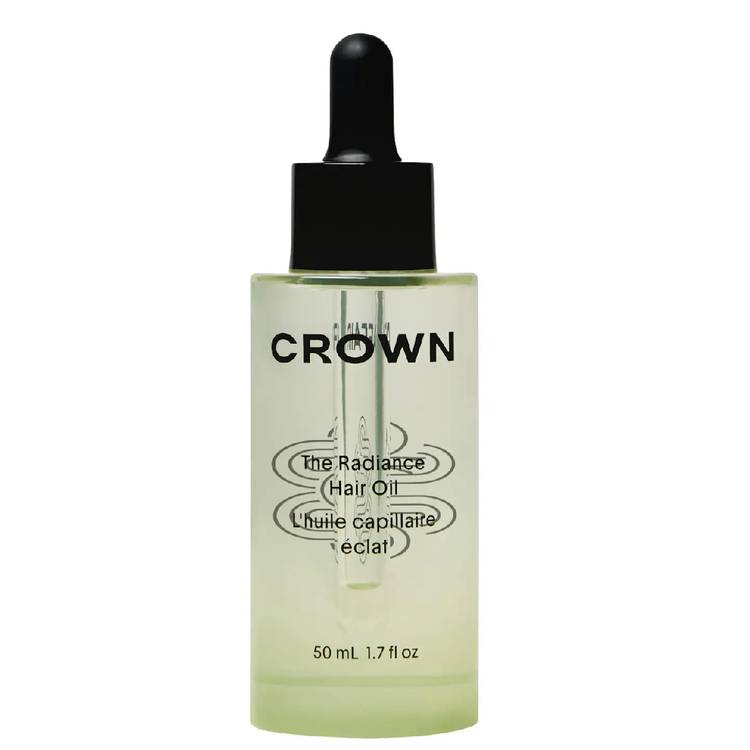
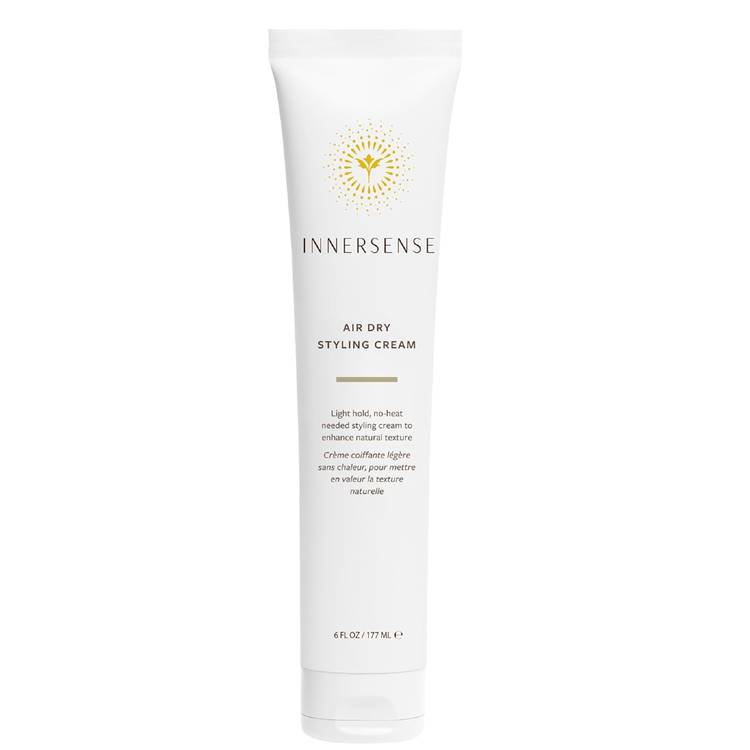
Your tool kit for effortlessly air-dried hair.
1 / 4
2 / 4
3 / 4
4 / 4