

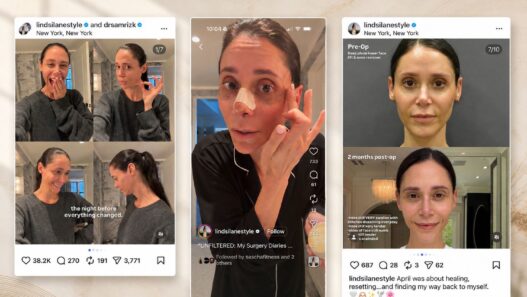



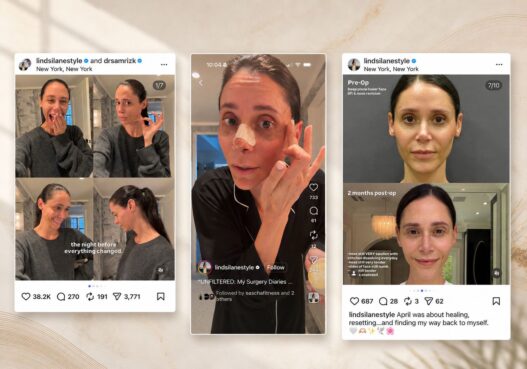
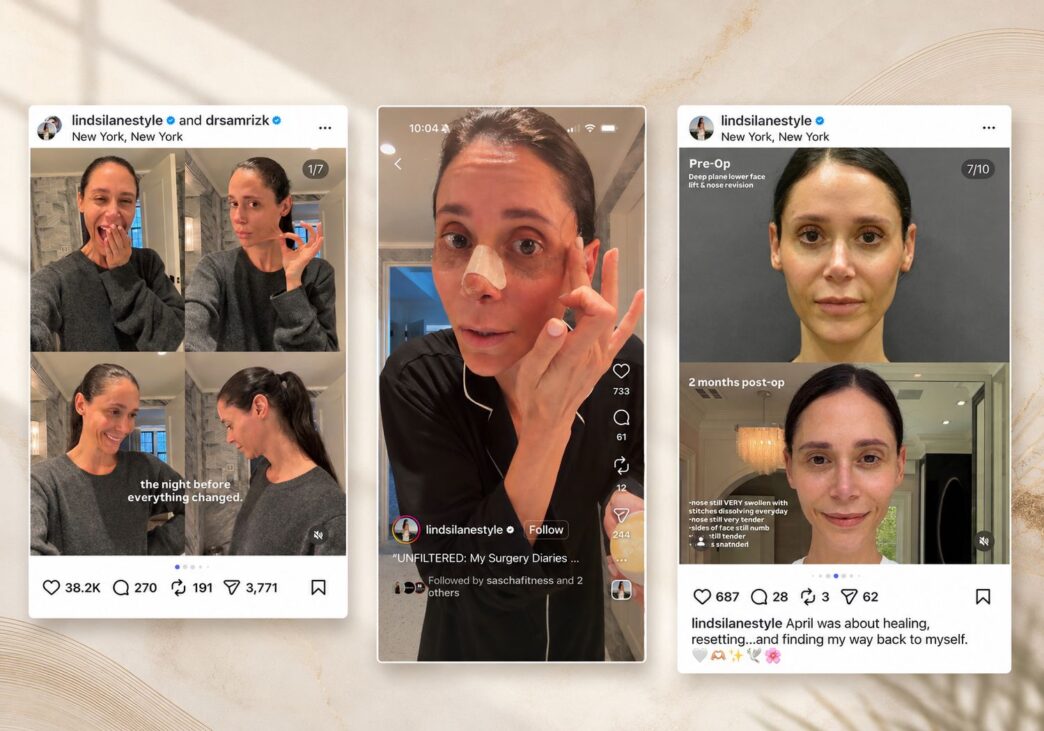
When influencer Lindsi of @lindsilanestyle had a lower facelift, she documented every step publicly, from the consults to the healing, across a seven-episode Reels series called “Unfiltered: My Surgery Diaries.” She wasn’t hiding her procedure; she was making a point. “Social media has a way of distorting reality,” she told her 238,000 followers. “We scroll past curated perfection and quietly question ourselves, rarely aware of the choices and procedures that shape what we see.”
At 41, Lindsi says pregnancy-related weight gain and loss, along with natural aging, led to her skin laxity. Her surgeon, New York facial plastic surgeon Sam Rizk, MD, says patients Lindsi’s age are no longer the exception. “We’re seeing younger and younger patients. Hormonal changes, weight gain, weight loss, pregnancy—all of these things take a toll on the face.”
The numbers back that up. Nashville, TN plastic surgeon Daniel A. Hatef, MD, has seen his average facelift patient age drop from mid-50s to 40s, and says the requests are largely for neck and jawline work. And, it’s skewing even younger. For Beverly Hills, CA facial plastic surgeon Kimberly Lee, MD, the influx of patients in their mid-to-late 30s and 40s seeking facelift surgery is undeniable. “We are definitely seeing it.”
What’s Driving It
The reasons are layered. Plastic surgeons say GLP-1 medications have introduced a new group of patients who didn’t expect to see their faces age so quickly or so visibly. For New York facial plastic surgeon Dilip Madnani, MD, his younger facelift patients tend to fall into three categories: “legacy patients whose families have always had facelifts early, more informed patients seeing results online and wanting the same, and GLP-1 users whose weight loss has accelerated their facial aging.”
Just today, he says, an actress in her early 40s came into his office after an 80-pound weight loss. “I could tell immediately she was on a GLP-1.”
Dr. Rizk is also seeing it from multiple angles. “Losing weight, melting fillers—any kind of skin that was once stretched, whether by filler or fat, just doesn’t bounce back the same way in your 40s,” he says.
Social media is the other accelerant. “High-resolution selfies, constant filming and relentless exposure to curated appearances have made everyone more self-aware and self-scrutinizing than ever before,” says Dr. Lee. “Everyone is on camera all the time now, and they’re seeing things they never would have noticed before.” That heightened awareness is shaping what younger patients ask for. “They’re coming in to address laxity in the lower face and neck, the first hints of jowling or a softening jawline. What they want now is refinement, not dramatic change.”
Who’s a Good Candidate
Not every younger patient who wants a facelift should get one. Patient selection is everything. Dr. Hatef looks for patients with fuller necks who are mostly concerned with neck volume—he says they tend to respond best. Patients with full faces, good brow positioning and minimal neck volume are better off waiting on surgery and focusing on skin care and collagen banking until the timing is right.
Structurally, the signs have to be there. “A good surgical candidate has skin laxity in the face and neck with the start of visible lines and loss of jawline definition,” says Dr. Lee. Laxity, or loose skin, is the deciding factor for Dr. Rizk as well. “You need a certain amount of laxity to warrant surgery and get a natural outcome,” he says. “You also don’t want any tension on the scar.” He evaluates both skin and deep muscle laxity before committing to an approach, and the jawline is always central. “The jawline is the fountain of youth,” he continues. “Once that goes, a person’s age is pretty evident.”
Why Technique Matters
“This isn’t your grandmother’s facelift,” says Dr. Lee, noting that many younger patients hesitate to get surgery because they’re picturing an older era of results. “Today’s techniques are more precise, incisions are more discreet and outcomes are more natural-looking.”
As for a deep-plane facelift versus SMAS, Dr. Rizk says both can be equally effective. What determines the outcome is vector. “If the surgeon pulls sideways, they’re going to widen the mouth. If they pull too vertical, they’re going to make the eyes look small.”
Expectations matter, too. Dr. Hatef cautions against pulling the skin too tight or too high, which can leave a visible scar near the ear and produce changes that are subtle rather than striking. “Patients need to be prepared that their result will not be dramatic,” he says. For this age group, that’s the point. The goal is refinement, not transformation.
The Truth About Facelift Longevity
Most surgeons cite 10 to 15 years before a revision makes sense, though results vary by lifestyle, and apparently, profession. “If it’s a ‘Real Housewife,’ and some of my patients are, they ’re back much sooner because they’re working with high-definition cameras,” Dr. Rizk says.
The more useful way to think about it, he explains, is over a lifetime. “If I do surgery on a patient who has an identical twin and we follow them 10, 20, 30 years, the patient who had surgery will always look younger.”
Dr. Madnani agrees: “Results last as long as you do. You’re going to always look 10 to 15 years younger, even though you will have aged.”
For anyone in their late 30s or early 40s weighing the decision, Dr. Lee is direct: “Don’t let your age talk you out of it. Seek out a credentialed, expert facial plastic surgeon who shares your aesthetic eye and will keep you looking natural and balanced.” And, don’t wait just to wait. “No one wants to correct an older-looking face. Everyone wants to look like they do now, but forever.”
The Before-and-Afters
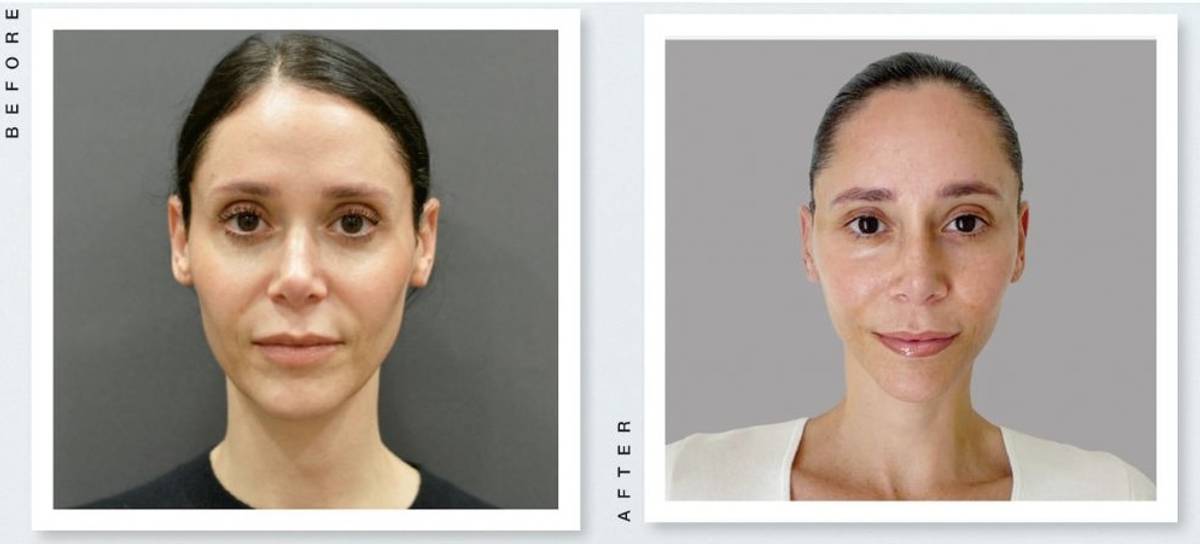
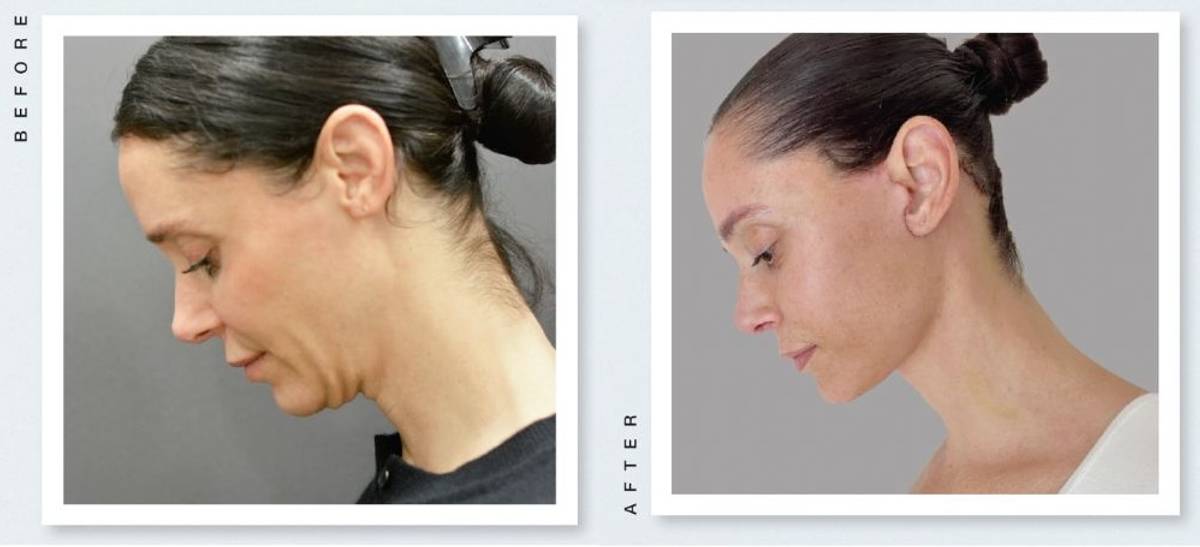
Lindsi underwent a deep-plane lower facelift, necklift and revision rhinoplasty with Dr. Rizk. Recovery, she says, was no joke. “My body was working overtime to heal, and that takes a toll.” But, the results were worth it. “Honestly, it’s the best thing I’ve ever done.”
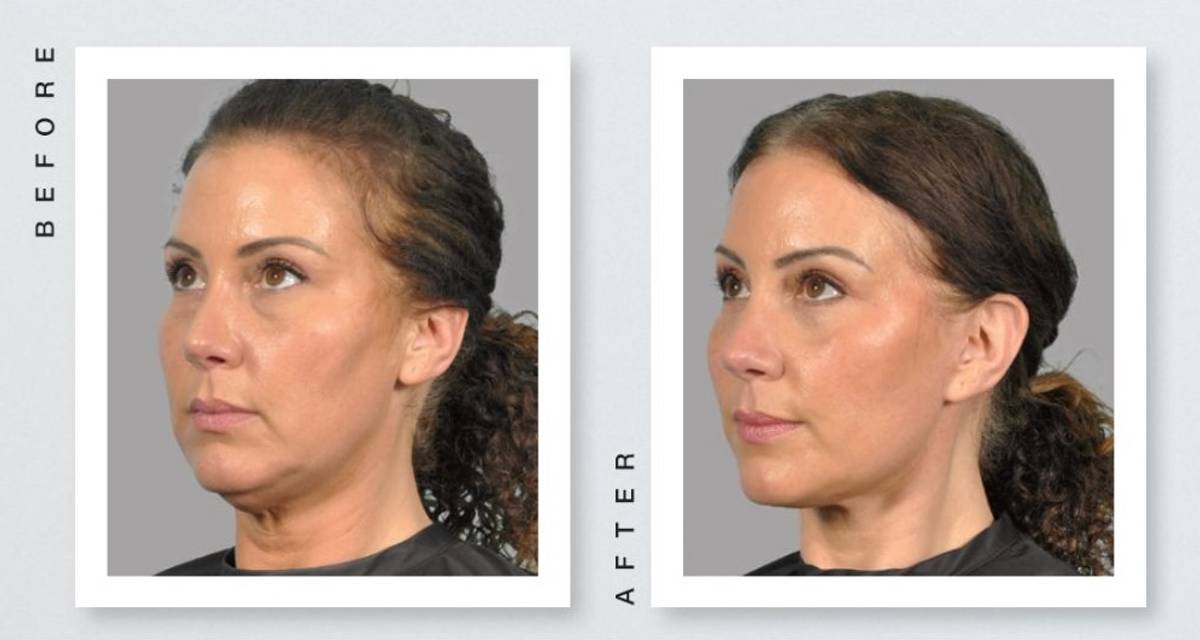
A facelift and necklift with lower blepharoplasty by Grand Rapids, MI plastic surgeon Bradley Bengtson, MD, gave this 49-year-old patient a refreshed, natural-looking outcome.
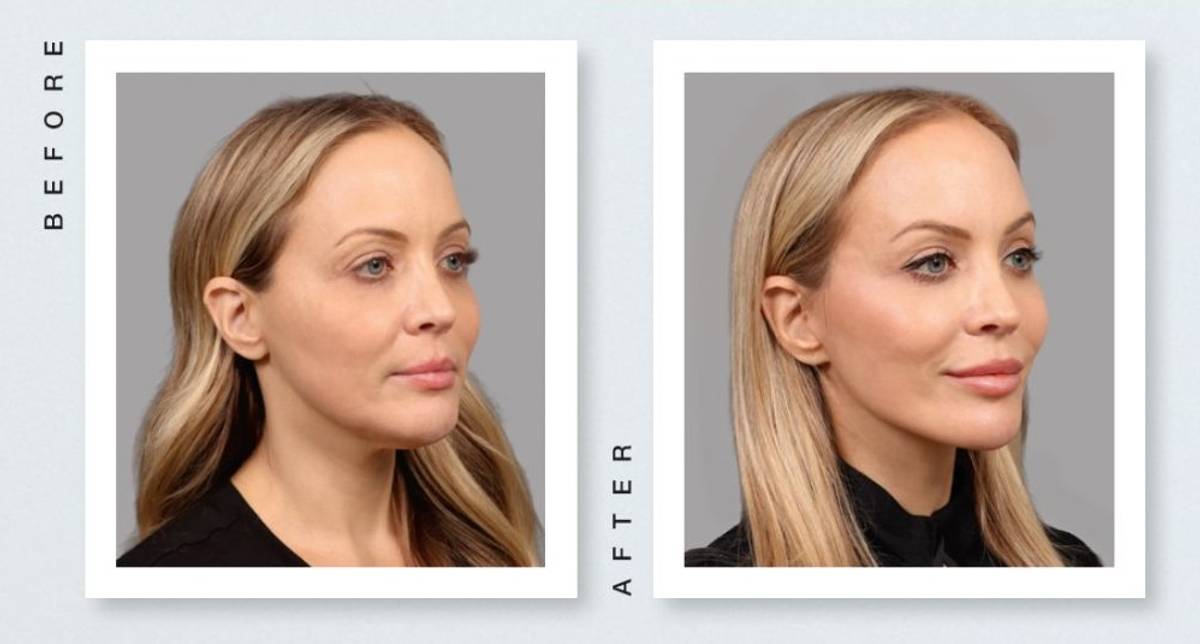
A deep-plane facelift and necklift by Miami facial plastic surgeon Paul Afrooz, MD, gave this 45-year-old patient a sculpted neck and jawline for a more youthful look.
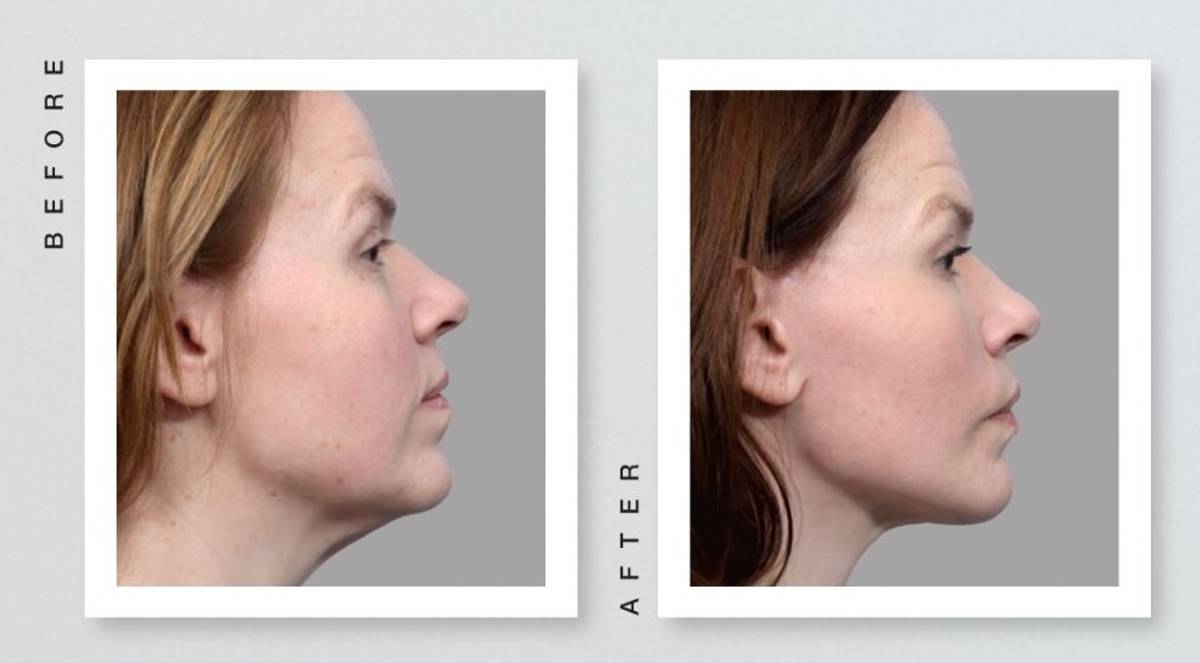
Wayne, NJ facial plastic surgeon Jeffrey Wise, MD, gave this 37-year-old patient restored facial contours and a naturally youthful result with facelift surgery and fat transfer.
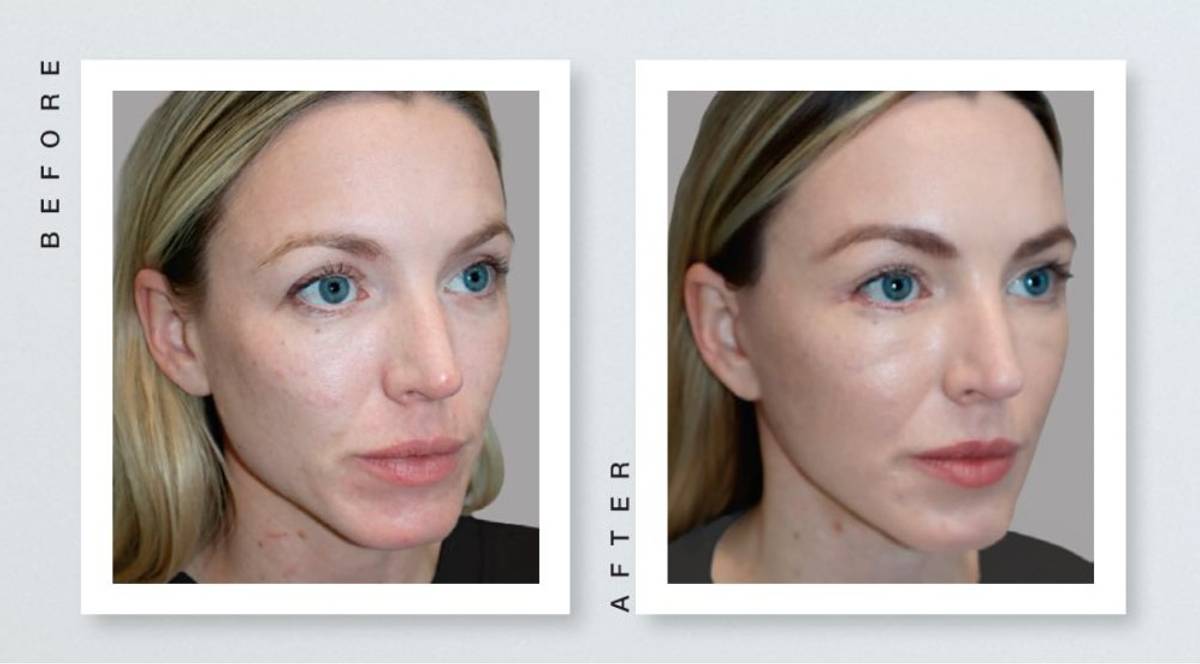
Newport Beach, CA plastic surgeon Sanjay Grover, MD, performed a browlift, upper and lower blepharoplasty, and deep-plane facelift and necklift on this 40-year-old patient.