






Hair thinning in women is widely misunderstood, mostly because everyone wants to pin it on one thing: most infamously, stress. But it’s rarely that straightforward. “The first step is finding the cause,” says Fort Myers, FL plastic surgeon Ralph Garramone, MD. Ahead, experts untangle the myths that might be standing between you and the right plan.
Hair Thinning Isn’t Just “Normal Aging”
For Sacramento, CA dermatologist James Kilgour, MD, founder of KilgourMD, the issue hits close to home. After watching his mother navigate menopause-related thinning, he started questioning why women’s hair loss is so often shrugged off as inevitable instead of understood as biological. “When we talk about aging, we are not just referring to the passage of time,” he explains. “We are describing a gradual decline in follicular function. The growth phase becomes shorter, the hair fiber becomes finer and the scalp environment becomes less supportive.
“In the same way that skin develops wrinkles due to structural and cellular changes, the scalp ages in a way that directly impacts how hair is produced,” Dr. Kilgour continues. “Understanding that complexity is important because it shifts the conversation from something vague and unavoidable to something more biological and, to some extent, modifiable.”
It’s Not as Well Studied as You Think
There’s an imbalance in how hair loss is studied across sexes. “Hair thinning in women is still often brushed off because it sits at the intersection of biology and identity,” says Dr. Kilgour. That complexity can make it harder to fully untangle. “Historically, women’s hair loss has not received the same clinical or cultural attention as men’s does.”
The data reflects that gap. Female pattern hair loss affects up to 40 percent of women by age 50, yet experts say it still receives less clinical and cultural attention than men’s hair loss.
No, It’s Not ‘Just Stress’
Hair loss from stress is the version we see in movies when a character is unraveling—or what friends nod along to when we mention thinning. But stopping there is how people end up Googling at 2 a.m. instead of getting answers. “Stress is a trigger for hair loss, but not the mechanism itself,” says Dr. Kilgour.
The mechanism he’s talking about is the follicle: Stress can push more hairs than usual into the shedding phase all at once, but it’s rarely the only factor. Hormone shifts, scalp inflammation and rapid weight loss—including on a GLP-1—can all interfere with how hair grows, whether on their own or in combination.
Thinning and Shedding Aren’t the Same
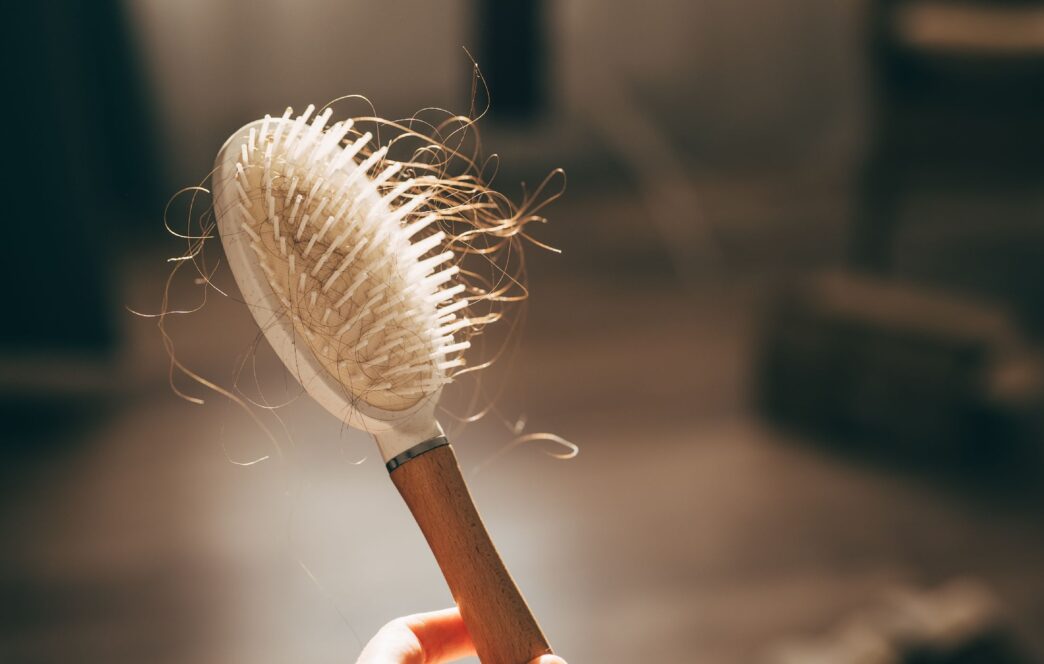
Thinning and shedding often get lumped together, but they’re not interchangeable. “Shedding is about quantity; thinning is about quality,” says Shab Caspara, New York trichologist and founder of Caspara Hair Preservation Studio.
Some shedding is expected. Losing 50 to 100 hairs a day is part of a normal hair cycle, and temporary shedding—the kind doctors call telogen effluvium—can happen after a specific stressor and resolve on its own. Thinning is subtler: hair that suddenly “doesn’t style the same,” a slightly wider part, less volume at the crown or a ponytail that feels thinner.
Waiting It Out Isn’t the Move
A hair change is easy to talk yourself out of, but timing can affect what’s still possible. “If shedding is new and clearly tied to a recent stressor, it’s reasonable to monitor for a couple of months,” says Seattle dermatologist Joyce Park, MD, founder of Kerativ. “But if it lasts longer than four to six months, feels excessive or is paired with other signs like visible thinning, scalp symptoms or a widening part, that’s when I suggest seeing a dermatologist.”
“By the time thinning becomes visibly obvious, there’s often already significant miniaturization happening,” Caspara adds. “Early, strategic treatment is key because once a follicle has significantly miniaturized, it becomes much harder to reverse.” Dr. Garramone echoes the urgency more plainly: “The longer a hair follicle remains dormant, the harder it is to revive.”
Treatment Starts With ‘Why’
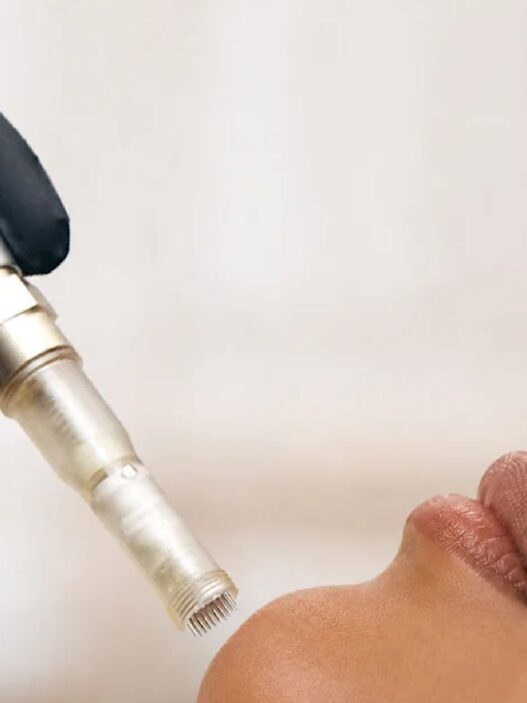
Resist the urge—and the booming product market—to treat first and ask questions later. “The first step is finding the cause,” Dr. Garramone says. Once you know what’s driving the change, the plan might include blood work, genetic testing, prescription options like minoxidil, finasteride or spironolactone, PRP, low-level laser therapy or, in some cases, a hair transplant.
Your Slick-Back Bun Might Come at a Cost
Harmless and stylish as your super-sleek bun might look, that tension adds up. “Tight ponytails, slicked-back styles and/or frequent heat styling can contribute to breakage and even traction-related hair loss over time,” says Dr. Park. “Many patients think of hair loss as something internal, but what you’re doing to the hair and scalp every day matters, too.”
You Might Not Be Washing Well Enough
For something so routine, washing your hair is easy to get wrong. “Most people are not washing their scalp thoroughly or frequently enough, which leads to constant buildup of oil, dead skin and product residue,” says Caspara. “The scalp and nape of the neck are commonly neglected.”
The issue isn’t just cosmetic: “Research has shown that chronic buildup disrupts the follicle, contributes to inflammation and can impair healthy hair cycling.”
Root Support
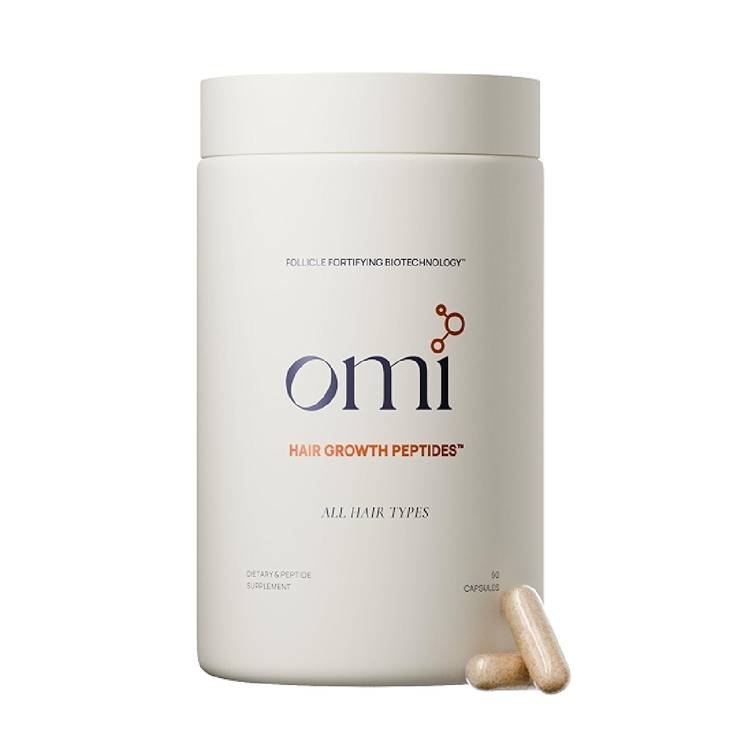
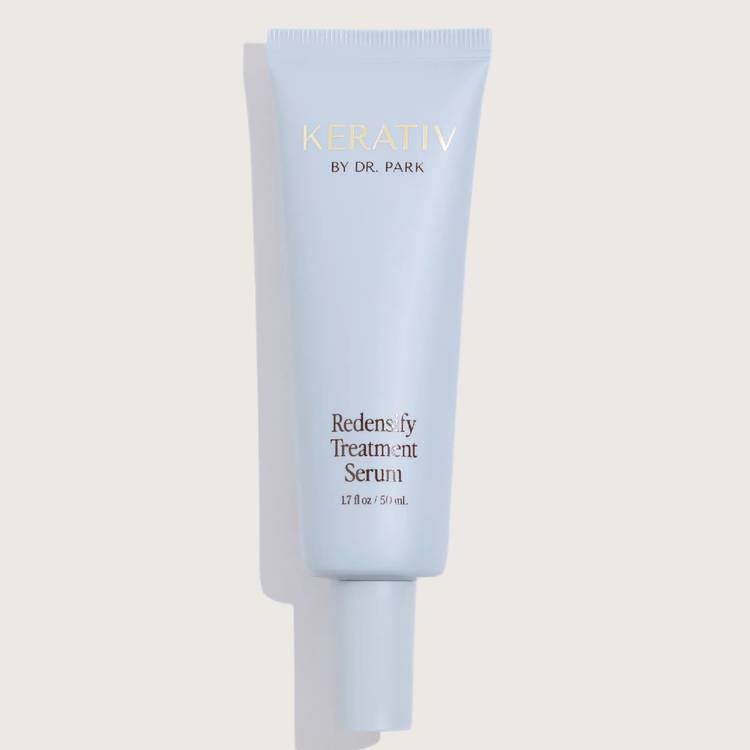
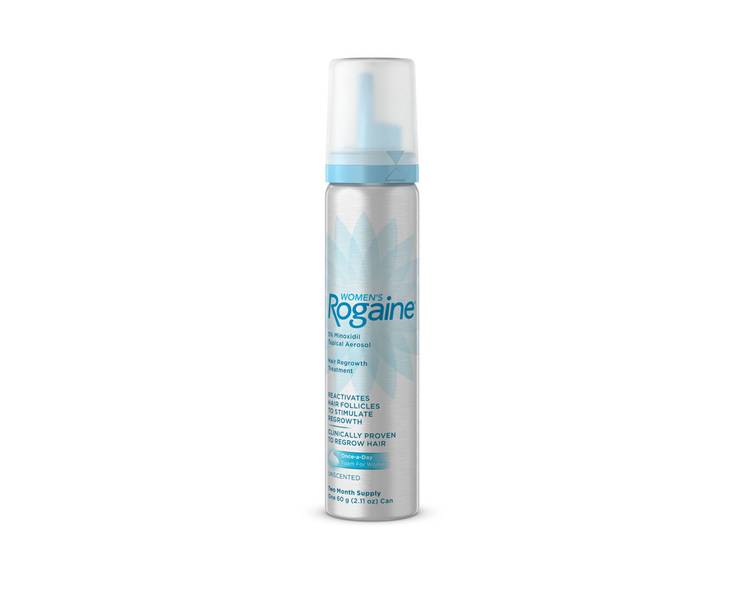
A curated mix of cleansers, treatments and tools to create a stronger foundation for hair prone to thinning.
1 / 5
2 / 5

3 / 5

4 / 5
5 / 5