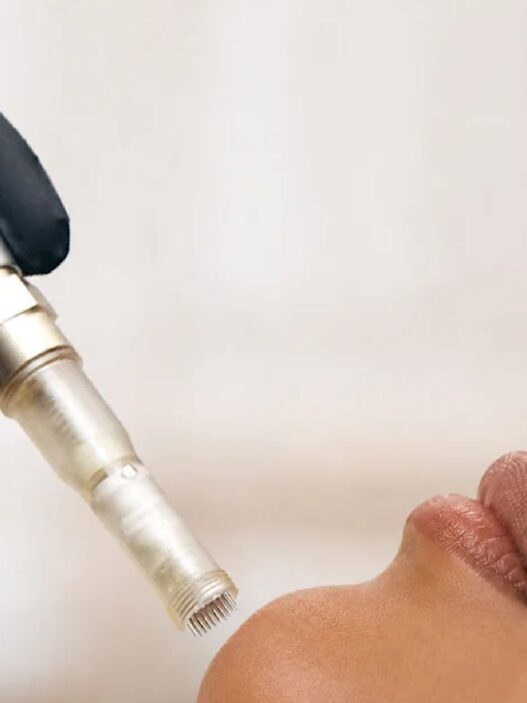



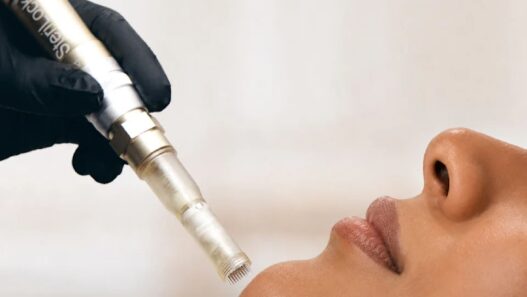



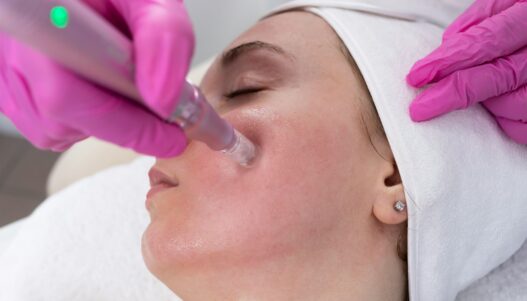
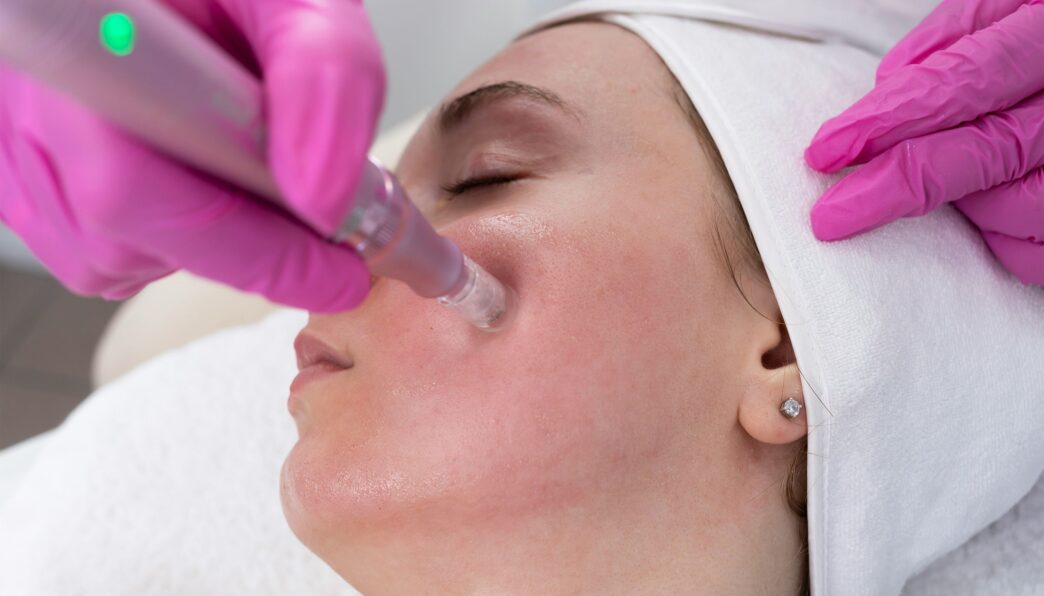
Summer is the time to sit back, relax, slather on sunscreen, and bask in the glory of all the facial treatments you’ve done over the year. For the most part, it’s advisable to hit pause on laser treatments and other in-office procedures that disrupt the skin barrier, especially when the sun and heat are involved. We were curious, however, whether we could still venture into our dermatologist’s office for microneedling, even during the warm summer months, to maintain our year-round glow. Ahead, we spoke with dermatologists to see if continuing with in-office microneedling during the summer months is safe.
Featured experts
- Dr. Shereen Teymour and Dori Day, MD are board-certified dermatologists in New York
Is it safe to get microneedling over the summer?
Yes, but with a few caveats. “Microneedling can absolutely be performed during the summer,” says New York dermatologist Dr. Shereen Teymour. It’s not so much the procedure itself that is less safe during the summer months; rather, it’s more about the patient’s ability to follow proper post-treatment aftercare. She explains that since microneedling temporarily disrupts the skin barrier, “the skin is more vulnerable to UV damage while it’s healing.”
“When you have a tan or recent sun exposure, your skin has increased inflammation and the pigment-forming cells (called melanocytes) are revved up,” explains New York dermatologist Doris Day, MD. If microneedling is performed under these conditions, you will further inflame the skin, triggering not only an increased risk of discoloration and slower healing from the treatment, but an increased risk of scarring.
How to make microneedling safer during the summer
Above all else, being diligent about sun protection every day—wearing a broad-spectrum SPF 30 or higher, seeking shade, wearing wide-brimmed hats and avoiding prolonged, direct sun exposure—makes microneedling safer to do year-round.
Dr. Day touts the benefits of pre-treating the skin prior to a microneedling session. In her office, Dr. Day says she likes to pre-treat one to two weeks prior with Re-Q Pro-Longevity Face Serum, “to make sure that the fibroblasts (the cells that make collagen that we are trying to stimulate when we do microneedling) are as restored and efficient as possible, so you get the best results from the treatment. The more you do ahead of time, the better the results and the healing.”
Immediately after microneedling, using platelet-rich plasma (PRP) or exosomes can help to support healing and hydration. Following up your treatment at home with topicals that support barrier recovery, calm inflammation and hydrate—such as growth factor-based serums and products that are specifically formulated for post-procedure use, helps you to safely recover. Dr. Day advises her patients to also incorporate the CO2 Lift/Carboxy Mask ($100) the night they get home from the treatment, in addition to other post-procedure-formulated topicals. “Regardless of what is applied, it’s essential that any products used immediately after microneedling are intended for post-procedure application to minimize the risk of irritation or contamination,” cautions Dr. Teymour. And as always, avoid any potentially irritating ingredients like retinoids, exfoliating acids, or vitamin C immediately after treatment.