







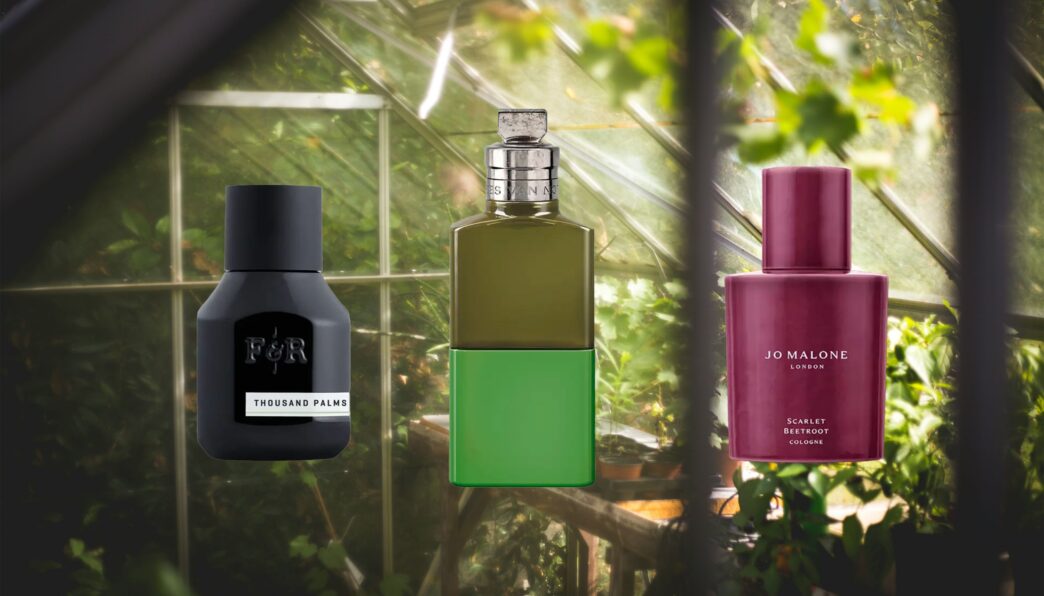
Forget beach vacations and sun-drenched vanilla—this summer, the most coveted scent notes are growing in the garden. From crushed tomato vines to sun-warmed basil leaves, fragrance houses are trading saccharine sweetness for something greener, earthier and altogether more grown-up. In other words: The most exciting thing in perfumery right now smells like a farmers market at golden hour.
The appeal makes sense. After years of leaning into ultra-sweet, dessert-inspired fragrances, noses are craving contrast—something that feels fresh, slightly bitter and unmistakably alive. Below, we’re breaking down exactly why these garden-fresh notes are having a moment—and which fragrances are doing it best.
Featured Experts
- Kevin Keller is the co-founder of Fulton & Roark
- Celine Roux is the head of fragrance at Jo Malone London
- Ann Somma is the chief brand officer at Le Monde Gourmand
Why Are Garden Fragrances Trending This Summer?
“As people have embraced niche fragrance, they’ve grown comfortable venturing outside the safe, well-rounded scents that we’re all accustomed to,” says Fulton & Roark co-founder Kevin Keller. “Once you’ve made that leap, a fragrance that smells like tomato leaf or crushed basil stops feeling so strange, and becomes intriguing. I think that change in mindset is the whole point of the moment we’re having.”
Céline Roux, global head of fragrance at Jo Malone London, credits the shift to a desire to return to nature. Keller agrees: “So much of modern life happens on a screen, and a garden scent is a small, wearable rebellion against that.” Roux finds the trend less “about ‘status’ and more about how it makes you feel when you wear them.”
That emotional pull is the through line all the experts return to—we gravitate toward scents that make us feel something. “We wear fragrance that reflects how we want to feel—and a walk through a fresh, breezy garden (whether green, lightly floral or even citrus-grove inspired) is so appealing,” says Le Monde Gourmand chief brand officer Ann Somma.
Trending Garden Fragrance Notes to Know
“Fragrance notes more uniquely associated with cuisine, rather than aromatherapy per se, are gaining traction—from basil and oregano, to Sichuan pepper and carrot seed,” says Somma. She explains: “These add an olfactive ‘texture’ and intrigue that can act as an exciting counterpoint to more traditional notes like rose or white florals.”
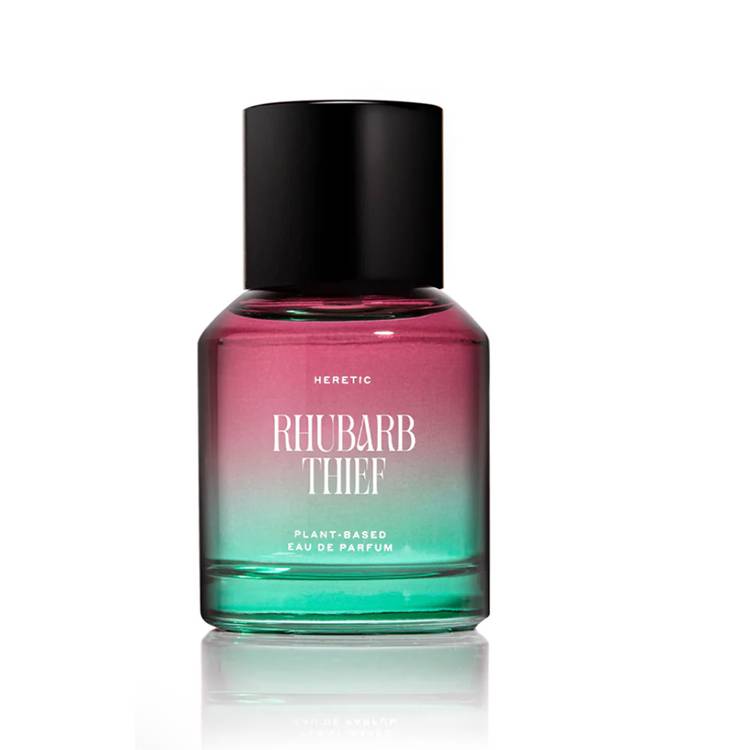
Herbal and leafy accords are lending fragrances a sun-soaked, just-picked quality that feels less like a bottle and more like a backyard. “Basil, sage, rhubarb, fig leaf, violet leaf have been quite present in the industry for quite some time,” says Roux. “The big difference is that they have moved from supporting roles to the ‘star’ of the scent.”
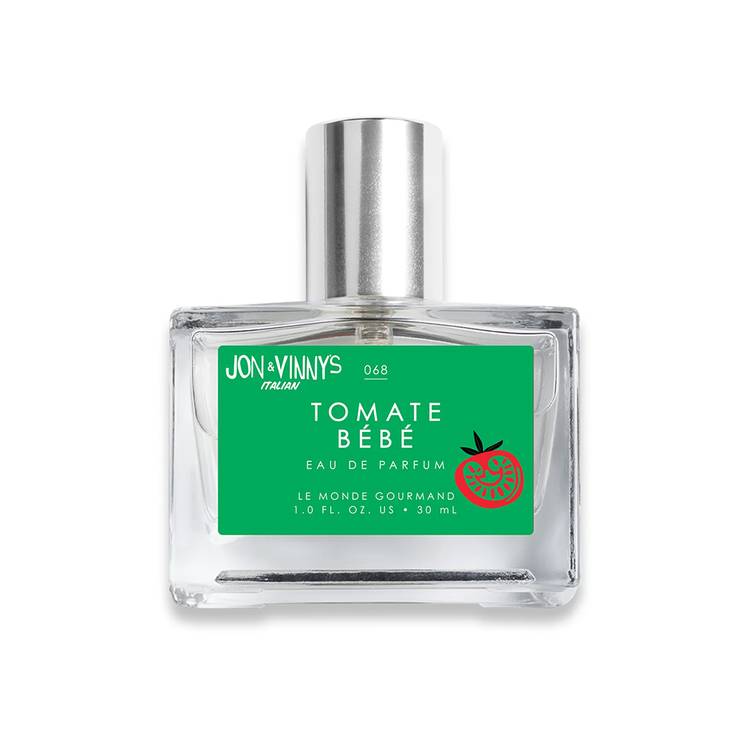
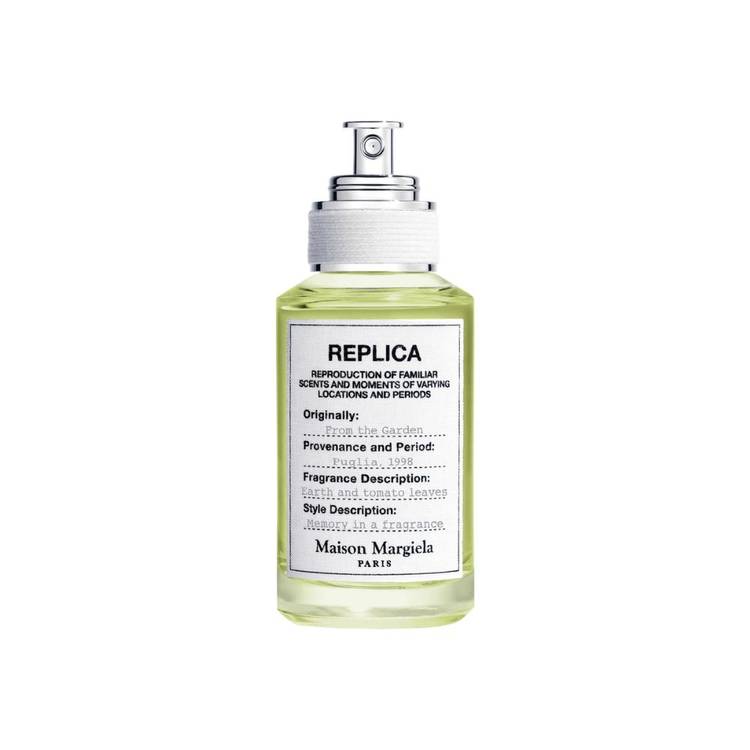
But the breakout note of the season is tomato leaf—with its green, almost peppery sharpness, it’s showing up in everything from niche indie releases to mainstream drugstore finds. “While I mostly keep my eyes on my own paper and don’t concern myself too much with the industry at large, I’m confident that tomato leaf is a headliner,” says Keller.
Part of the appeal is the note’s sheer range. “We’re in an era of tremendously creative perfumer,” says Somma. “Tomato is fascinating because it has so many olfactive facets—a tomato leaf is richly green, while a sliced tomato can be fresh and piquant, but a cooked tomato can be deeply sweet and jammy.” “To share that a fragrance has notes of tomato is to invite the wearer to discover just what tomato means to that perfumer or brand.”
Keller finds tomato leaf to be one of the most evocative scents he can think of because you only encounter it through contact. “Standing next to a tomato plant doesn’t smell like much. But brush against the vine or run your hand along the stem while you’re tying it to a stake, and you get this bitter, peppery, intensely green scent. It’s the smell of tending, not consuming,” he says. “So, it’s multisensory, and deeply tied to memory for many of us. Very few notes come with that much story built in, and I think that’s exactly why it’s connecting right now.”
Garden Scents for Your Home
Many of this season’s biggest garden-inspired fragrances aren’t for your skin at all—they’re for your space. Malin + Goetz brought back its iconic tomato candle ($68), alongside hand soap ($20), salve ($18) and room spray ($56). Flamingo Estate introduced a Tomato Collection with a candle ($64), dish soap ($36), surface spray ($36) and more. And of course, there’s the Loewe Tomato Leaves craze of summers past, which still comes in aa room spray ($135), candle ($130) and incense set ($210).
Is This a Passing Trend or the Start of Something Bigger?
“I’m sure the specific obsession with tomato leaf may ebb, the way any single note does. But my guess is that the broader move toward savory and vegetal notes is here to stay for a while because it’s not really new,” says Keller. “Green fragrances have a long, distinguished history in perfumery; what’s happening now is a return to that territory with modern realism and better raw materials.”
Somma agrees: “Fragrance is a powerful source of comfort and wellness, just like food, and there are many savory and vegetal notes that move our emotions.” She expects these notes will find a place in perfumery for years to come.
For Keller, the underlying driver runs deeper than a single summer. “Many people’s fragrance literacy is quickly growing, and literate audiences want a wider palette. Once you’ve expanded someone’s idea of what a fragrance is allowed to smell like, I don’t think they’ll want to go back.”
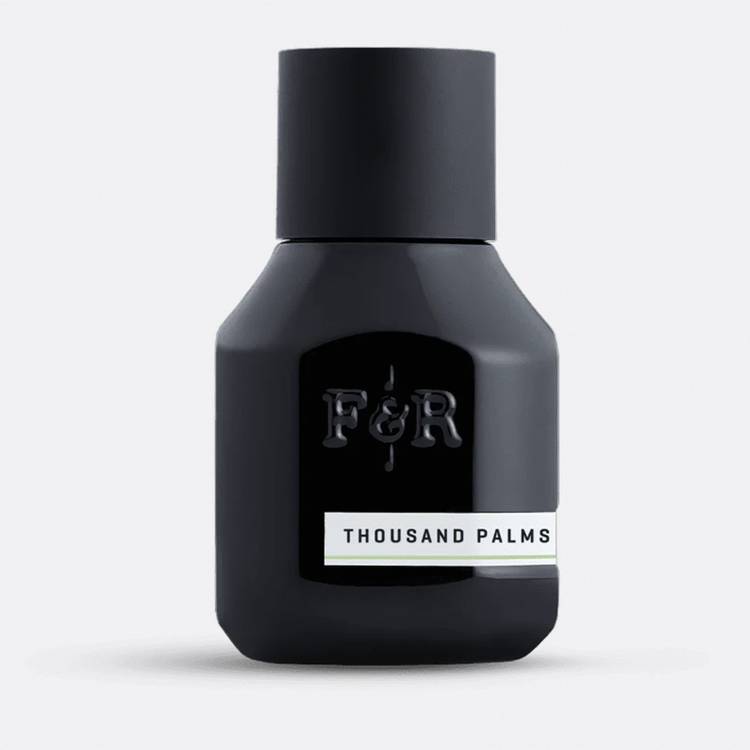
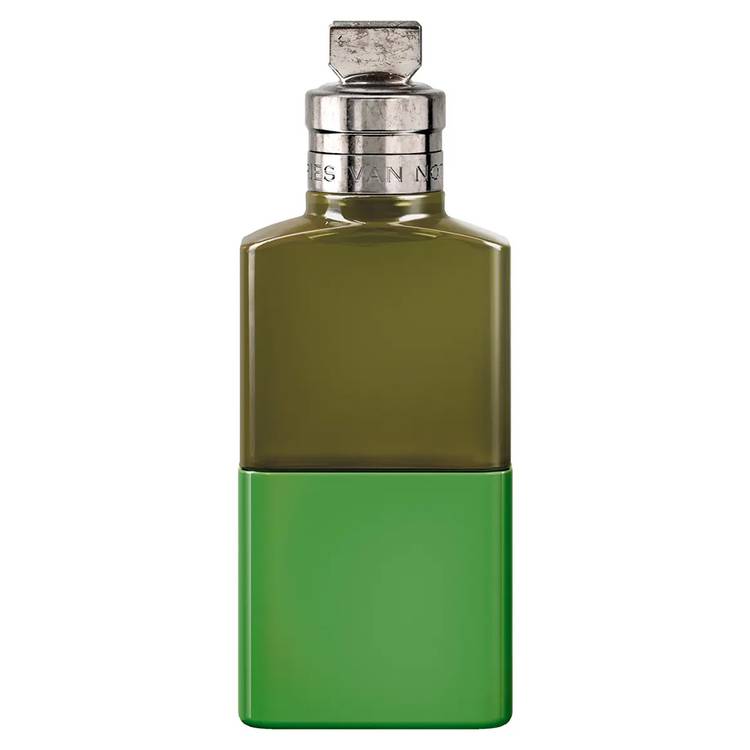
The Best Garden Fragrances of 2026
1 / 7
2 / 7
3 / 7
4 / 7
5 / 7
6 / 7
7 / 7