






Experts in the industry highlight that this change is fueled by broadened partnerships, the rise of digital payment methods, and a growing demand for more flexible and accessible reward structures.
Current Dynamics of Airline Loyalty Programs
At their foundation, loyalty programs still focus on rewarding air travel. However, the framework for earning and redeeming rewards has drastically evolved.
Amol Date, Chief Revenue & Product Officer – Loyalty at Vernost, a Mumbai-based B2B tech firm, notes that airlines are shifting from mileage-centric systems to ecosystem-based setups. In this new approach, points can be earned not just through flights, but also from credit cards, retail purchases, dining, hospitality, and various lifestyle expenditures.
He emphasizes that these programs increasingly depend on data and personalization to tailor offers to consumer behavior, which facilitates more targeted rewards and adaptable redemption options, such as upgrades, discounts, and bundled travel benefits.
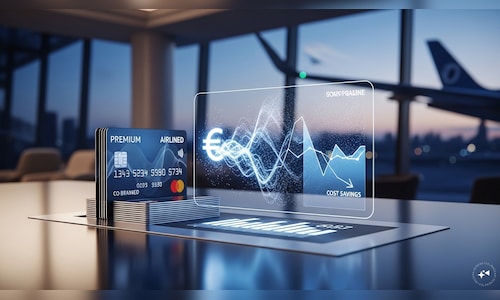
Amresh Acharya, MD & CEO – Loylty Rewardz, a provider of customer engagement and loyalty solutions, points out the growing importance of co-branded credit cards and partnerships that enhance access.
He mentions that points accumulated outside of travel can now frequently be converted into airline advantages, including through alliances and partner networks.
Sunil Suresh, Head of Loyalty, Marketing, and E-Commerce at Air India, cites airline-led ecosystems such as the Maharaja Club, where loyalty points function as a more comprehensive transactional currency.
Members can earn and spend points across more than 100 brand partners, covering both travel and non-travel aspects.
Reasons Behind the Transformation of Airline Loyalty Programs
The evolution of these loyalty programs is propelled by three major structural changes.
The first is increased participation. Airlines are broadening loyalty benefits to include casual travelers by connecting rewards to everyday spending patterns.
The second is ecosystem growth. Collaborations with banks, digital wallets, retailers, and service providers are transforming loyalty programs into interconnected networks rather than isolated airline systems.
The third factor is a rise in the frequency of use. By integrating rewards into everyday transactions, airlines aim to sustain consumer engagement even during non-travel periods.
Amol Date indicates that this signifies a shift from focusing solely on travel frequency to facilitating broader value accumulation across various consumer interactions.
Amresh Acharya adds that this integration has effectively “democratized” access to travel rewards, enabling infrequent flyers to accumulate meaningful benefits over time through regular spending.
Sunil Suresh mentions that airlines are also conceptualizing loyalty as an ongoing engagement system rather than an infrequent redemption process, enhanced by lower entry barriers and more extensive redemption choices.
Emerging Types of Loyalty Value
Across the sector, loyalty benefits are becoming structured across multiple tiers instead of relying on a single rewards format.
Traditional advantages like free tickets, upgrades, lounge access, and priority services remain central to most programs.
Simultaneously, points can now be accrued through credit card use, digital transactions, retail spending, and lifestyle choices.
Amresh Acharya highlights that interoperability among banks, airlines, and partner networks allows users to transfer and redeem points across different platforms, which enhances flexibility.
Sunil Suresh points out that loyalty ecosystems are branching into areas like hospitality, wellness, luxury products, and essential services, broadening their utility beyond just air travel.
Amol Date notes that the increasing use of dynamic pricing, partial payments, and personalized offers is enabling consumers to realize value in more adaptable manners.
Can Loyalty Programs Lower Travel Costs?
For frequent travelers, accumulated points and benefits such as upgrades, baggage allowances, and complimentary services can lessen effective travel costs over the long term.
Amresh Acharya notes that regular users can often finance parts of family or leisure trips using the rewards they’ve accumulated.
At the same time, Sunil Suresh emphasizes that lowered redemption thresholds and expanded partner networks contribute to making rewards more accessible for occasional travelers.
However, Amol Date observes that loyalty programs also shape spending habits by motivating users to consolidate transactions within specific ecosystems to maximize returns.
This creates a dual structure where value creation is not only tied to rewards accumulation but also to consumer behavior within the ecosystem.
ALSO READ | 90% of surveyed Delhi-NCR travelers may avoid Noida Airport — here’s why