Arunachal Pradesh’s Glaw Lake Designated as India’s 101st Ramsar Site
4 August 2026, 2 min read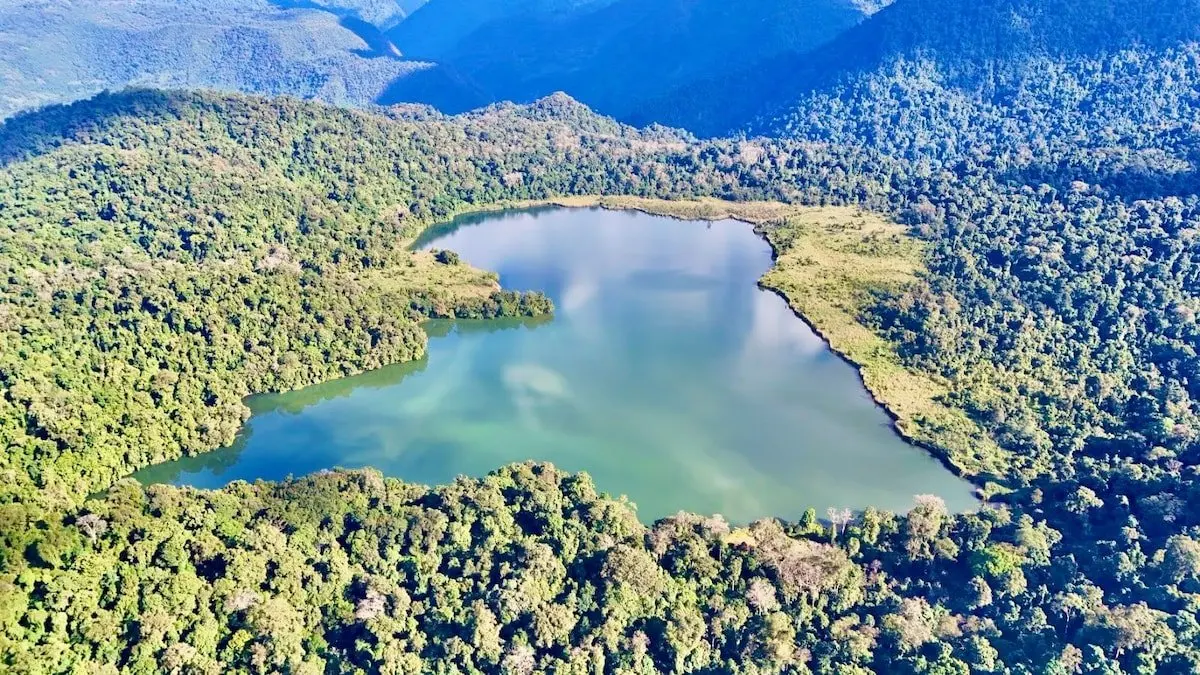
In a post on X, Yadav stated that this designation represents “a significant milestone for biodiversity, water and climate security, and sustainable livelihoods.” He referred to the pristine freshwater lake nestled in the Eastern Himalayas as a biodiversity hotspot, emphasizing that each new Ramsar site strengthens India’s commitment to preserving nature while ensuring the future of communities reliant on these ecosystems.
The high-altitude freshwater lake is nourished by everlasting mountain streams and is encircled by rich vegetation.
Within the site and its catchment area, over 150 tree species and 49 orchid species have been documented, highlighting its ecological importance.
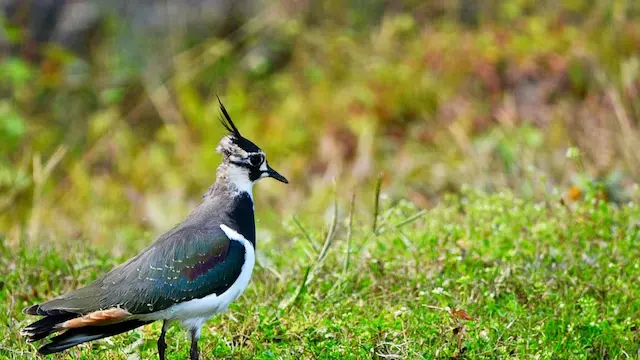
Glaw Lake, Via X (@byadavbjp)
The designation as a Ramsar site will bring forward dedicated management plans, enhanced legal protections, and access to international technical resources aimed at conserving the delicate ecosystem of the Kamlang Tiger Reserve, according to an official, as reported by PTI.
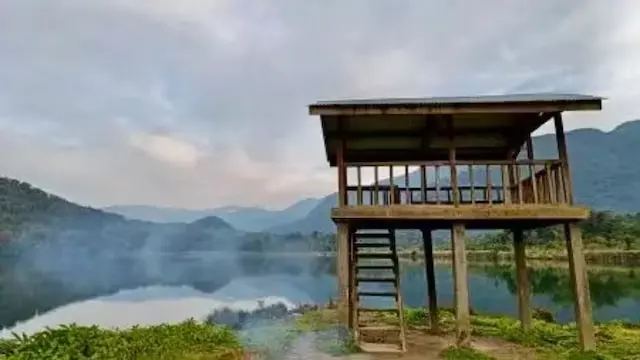
Glaw Lake, Via X (@byadavbjp)
As a high-altitude freshwater wetland, the lake is essential in regulating local hydrology, sequestering carbon, and sustaining downstream river flows, the official added.
PTI further reported that this global acknowledgment is anticipated to foster community-driven eco-tourism for the indigenous populations in Lohit district and facilitate scientific research, monitoring, and access to conservation funding.
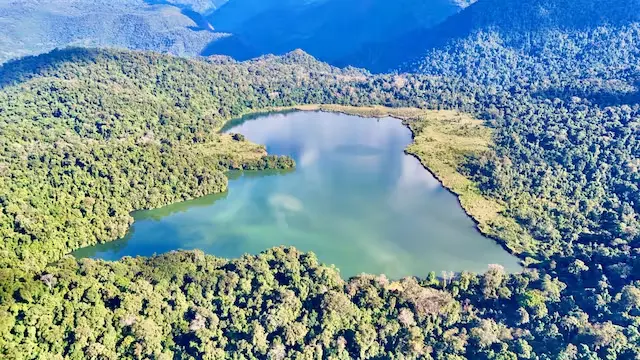
Glaw Lake, Via X (@byadavbjp)
PTI further reported that this global acknowledgment is anticipated to foster community-driven eco-tourism for the indigenous populations in Lohit district and facilitate scientific research, monitoring, and access to conservation funding.
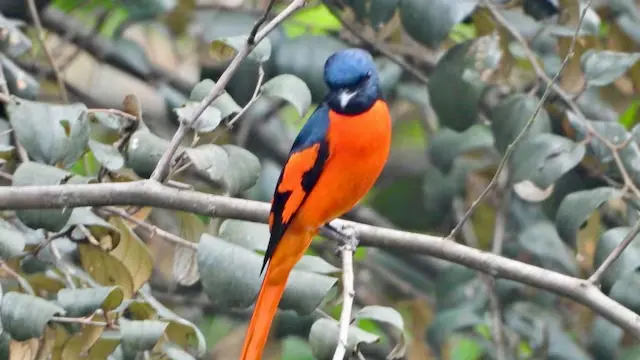
Glaw Lake, Via X (@byadavbjp)
Arunachal Pradesh Chief Minister Pema Khandu embraced the recognition, calling it a significant step forward in the state’s ecological conservation efforts. In a post on X, he expressed gratitude to Prime Minister Narendra Modi and Union Environment Minister Bhupender Yadav, stating that the Ramsar designation would bolster biodiversity conservation, support sustainable livelihoods, and inspire future generations to safeguard the region’s natural ecosystems.
(Edited by : Megha Rani)
First Published: Aug 4, 2026 12:36 PM IST