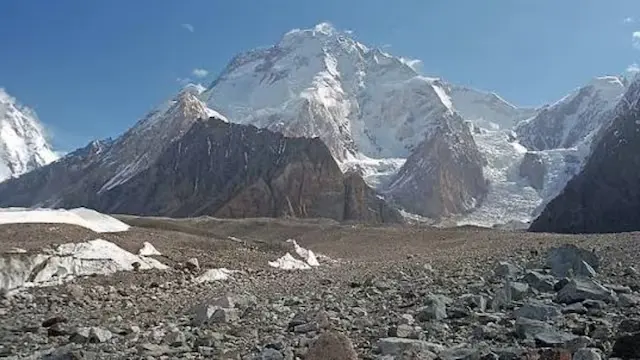
1. Broad Peak (Pakistan): With an elevation of 8,047 metres (often cited as 8,051 metres in climbing accounts), Broad Peak ranks as the 12th tallest mountain globally, located adjacent to K2 in Pakistan’s Karakoram range. While technically less challenging than K2, it carries significant avalanche risks, deep crevasses, unpredictable weather, and the perilous death zone beyond 8,000 metres. The avalanche that recently took the lives of celebrated climber Nirmal Purja and others serves as a stark reminder of the mountain’s dangers. (Image: Wikimedia Commons)
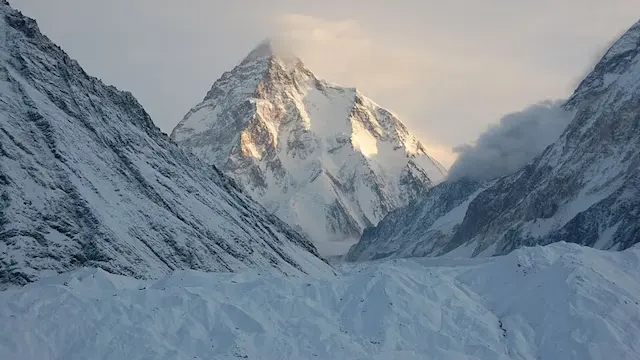
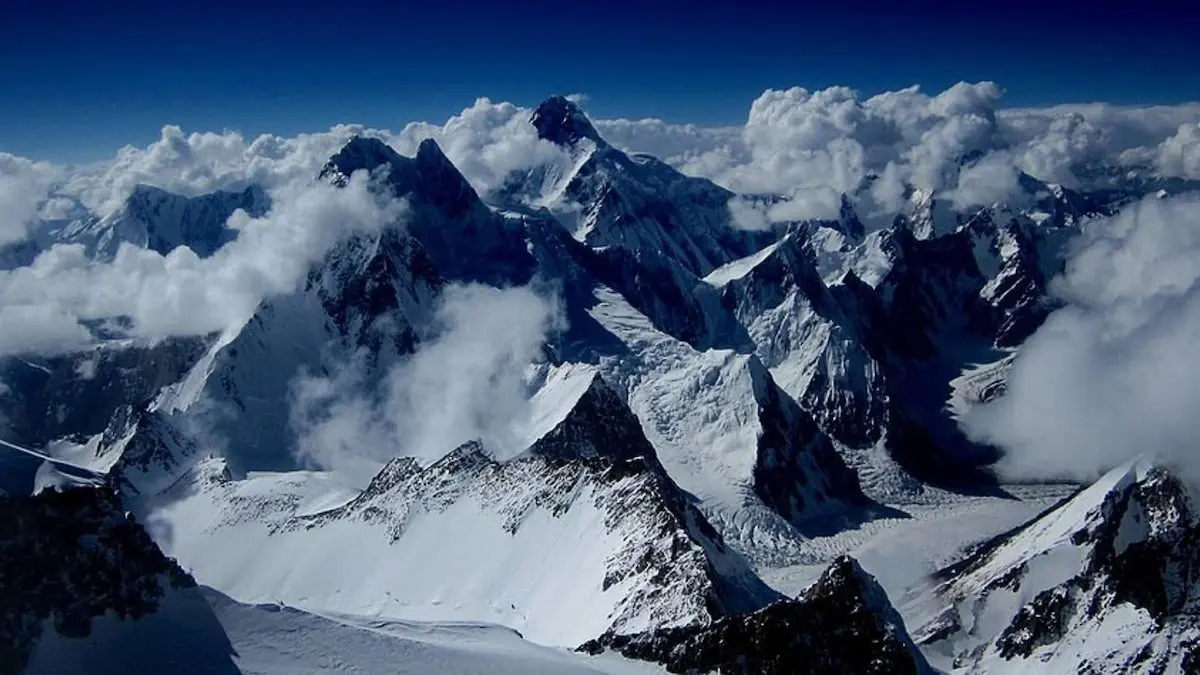
2. K2 (Pakistan–China): At an elevation of 8,611 metres, K2 is the second-highest mountain in the world and is known as the toughest of the 8,000-meter peaks to summit. Its perilous ice faces, fierce storms, regular avalanches, and complex climbing routes have earned it the title “Savage Mountain.” Even seasoned climbers find each expedition fraught with danger. (Image: Wikimedia Commons)
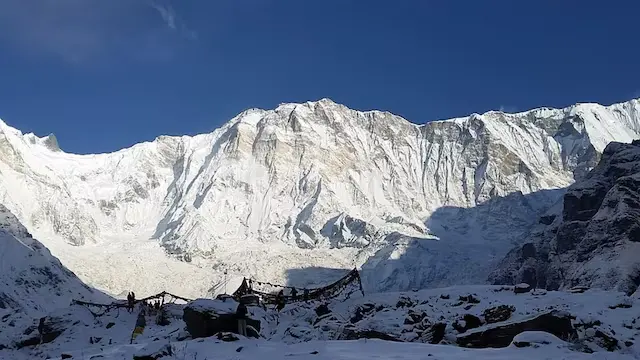
3. Annapurna I (Nepal): Rising to 8,091 metres, Annapurna I is recognized as one of the deadliest peaks for climbers. It is fraught with constant avalanche threats, unstable snow conditions, and challenging ascent routes, making it one of the most treacherous mountains despite advancements in climbing gear and weather predictions. (Image: Wikimedia Commons)
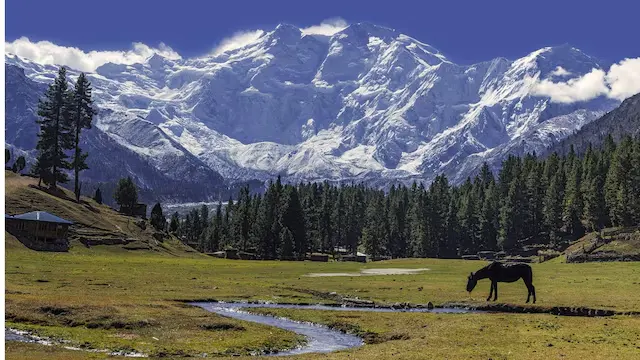
4. Nanga Parbat (Pakistan): Dubbed the “Killer Mountain,” Nanga Parbat ascends to 8,126 metres above sea level. Climbers navigate rockfalls, avalanches, harsh weather, and the daunting Rupal Face — the tallest mountain face in the world — making every ascent a significant challenge. (Image: Wikimedia Commons)
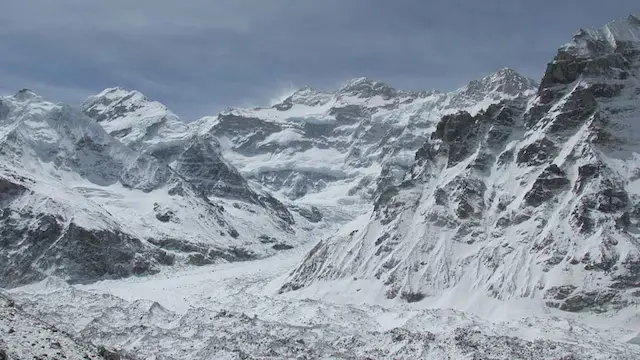
5. Kanchenjunga (Nepal–India): At an impressive 8,586 metres, Kanchenjunga is the third-highest mountain globally. Its steep icy walls, frequent avalanches, unpredictable weather, and intricate climbing paths make it incredibly challenging. Many climbers also choose to stop just shy of the true summit out of reverence for local spiritual customs. (Image: Wikimedia Commons)
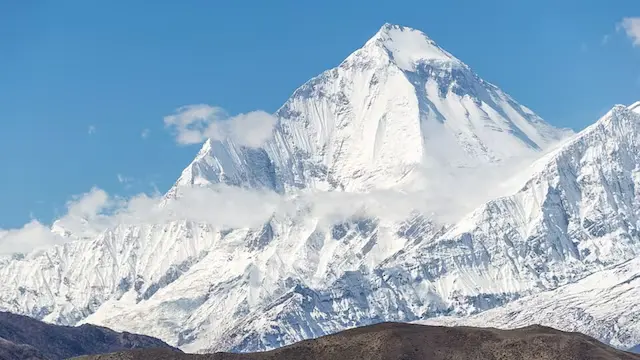
6. Dhaulagiri I (Nepal): At 8,167 metres, Dhaulagiri I is designated for its steep snowy slopes, risk of avalanches, and volatile weather patterns. Its remote setting and technical climbing challenges render rescue missions particularly arduous in the event of accidents. (Image: Wikimedia Commons)
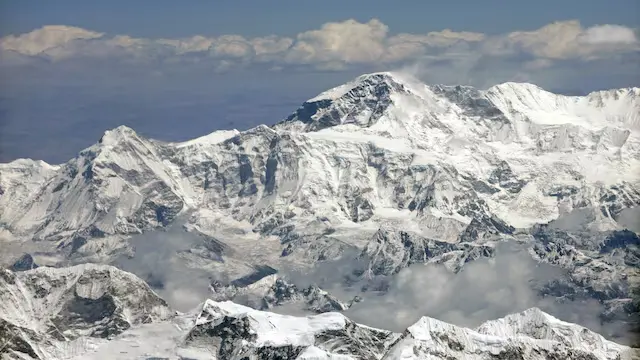
7. Makalu (Nepal–China): Towering at 8,485 metres, Makalu is the fifth-highest mountain worldwide. Its distinct pyramid shape, exposed ridges, strong winds, and demanding rock and ice climbing sections make it one of the most challenging 8,000-metre peaks. (Image: Reuters)
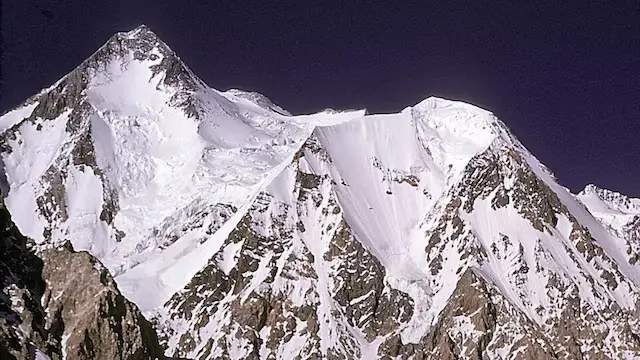
8. Gasherbrum I (Pakistan–China): Reaching 8,080 metres, Gasherbrum I is a significant giant in the Karakoram range. Climbers confront deep crevasses, avalanche-prone slopes, harsh weather conditions, and the perils of extreme altitude, rendering it one of the most demanding high-altitude climbs. (Image: Wikimedia Commons)