Bharat Taxi Debuts in Pune: Explore Fares, Routes, Booking Information, and More
4 August 2026, 2 min read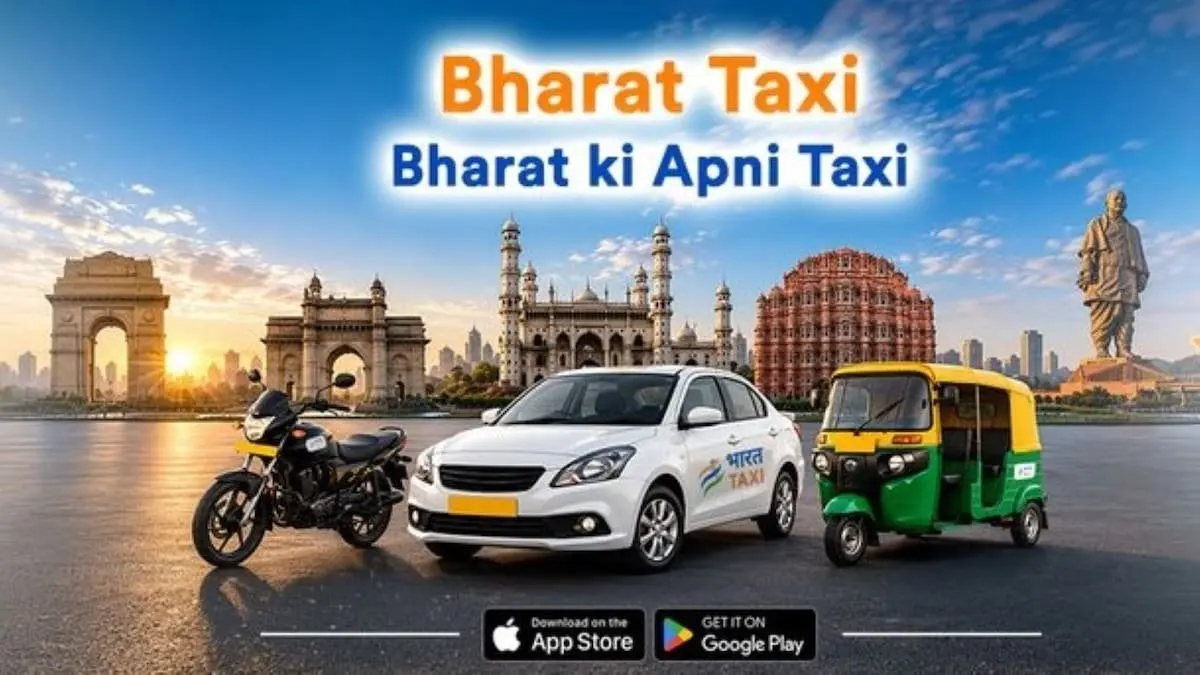
Here’s what you need to know.What is Bharat Taxi?
Bharat Taxi is a cooperative-operated cab service run by Sahakar Taxi Cooperative Ltd. (STCL) in partnership with the National Cooperative Development Corporation (NCDC). Unlike traditional app-based ride-hailing services that take commissions from drivers, Bharat Taxi employs a zero-commission model, enabling drivers to keep their full earnings and become co-owners of the platform.
Where has the service launched?
The service is now active in Pune and Pimpri-Chinchwad after completing trial runs. Bharat Taxi began testing in Mumbai on May 25, moved to Pune on June 26, and was officially launched at Navi Mumbai International Airport on July 23.
What are the costs for Bharat Taxi?
Bharat Taxi has set fixed per-kilometre rates that remain consistent throughout the day, except during specified peak hours.
Auto-rickshaw rates are ₹18 per km, hatchbacks at ₹24 per km, sedans at ₹25 per km, and SUVs at ₹32 per km during non-peak times. During peak hours (from 8:30 am to 10:30 am and 5:15 pm to 7:45 pm), the fares rise to ₹20 per km for auto-rickshaws, ₹26.4 per km for hatchbacks, ₹27.5 per km for sedans, and ₹35 per km for SUVs.
Is there any surge pricing?
No. Bharat Taxi claims it does not implement surge pricing, even during rain, festivals, or high-demand periods. The only exception is a 10% fare increase during the specified morning and evening peak times.
What about airport and intercity services?
Mohit Mitra, city head of Bharat Taxi Pune, stated that they are collaborating with airport authorities to establish airport pickup services. “Discussions are in progress with airport officials to finalize a booth and deposit arrangement, with services expected to launch soon from the Aeromall,” Mitra mentioned.
Additionally, the service has initiated intercity rides between Pune and Mumbai. The fare structure is:Hatchback: ₹21 per km
Sedan: ₹23 per km
SUV: ₹30 per km
How is Bharat Taxi distinctive?
The company emphasizes its zero-commission and cooperative ownership model, setting it apart from many app-based cab aggregators. Approximately 35,000 drivers have already joined, and fare structures were developed in consultation with drivers, aligning with Regional Transport Office (RTO) regulations. This model aims to provide passengers with predictable fares while allowing drivers to retain a larger portion of their earnings.