Buenos Aires in November
17 October 2026, 4 min read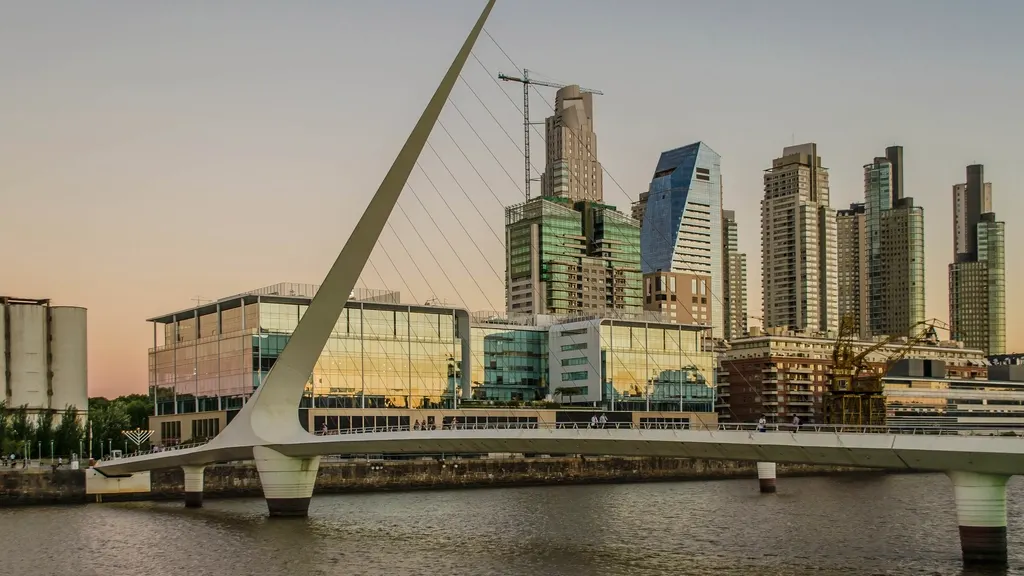
November is a solid choice for Buenos Aires. The weather has warmed considerably from the colder months, the days are long, and the city is settling into its outdoor rhythm. It suits visitors who want to explore on foot and experience the city's parks, street life, and cultural venues without the peak-season intensity.
What the Weather Is Really Like
November marks the transition from spring into early summer in Buenos Aires. Daytime highs reach 24 degrees Celsius, which rounds to 75 degrees Fahrenheit, while overnight lows settle around 17 degrees Celsius or 63 degrees Fahrenheit. This is a significant shift from July, the coldest month, when highs average only 13 degrees Celsius. The city has also moved well past the cooler shoulder season, though it remains far from the peak heat of January, which averages 28 degrees Celsius as the warmest month.
Rainfall totals sit at roughly 100 millimetres for the month, a moderate amount that typically arrives in short afternoon bursts rather than all-day deluges. Humidity hovers at 71 percent, which can make the air feel heavier than the temperature alone suggests. Pack accordingly for warmth and occasional dampness underfoot.
Daylight stretches to 13.8 hours, giving you a full window for sightseeing from morning through the evening. This is nearly three hours more light than the shortest days of winter, so you can structure longer days outdoors without feeling rushed.
What the Month Feels Like in the City
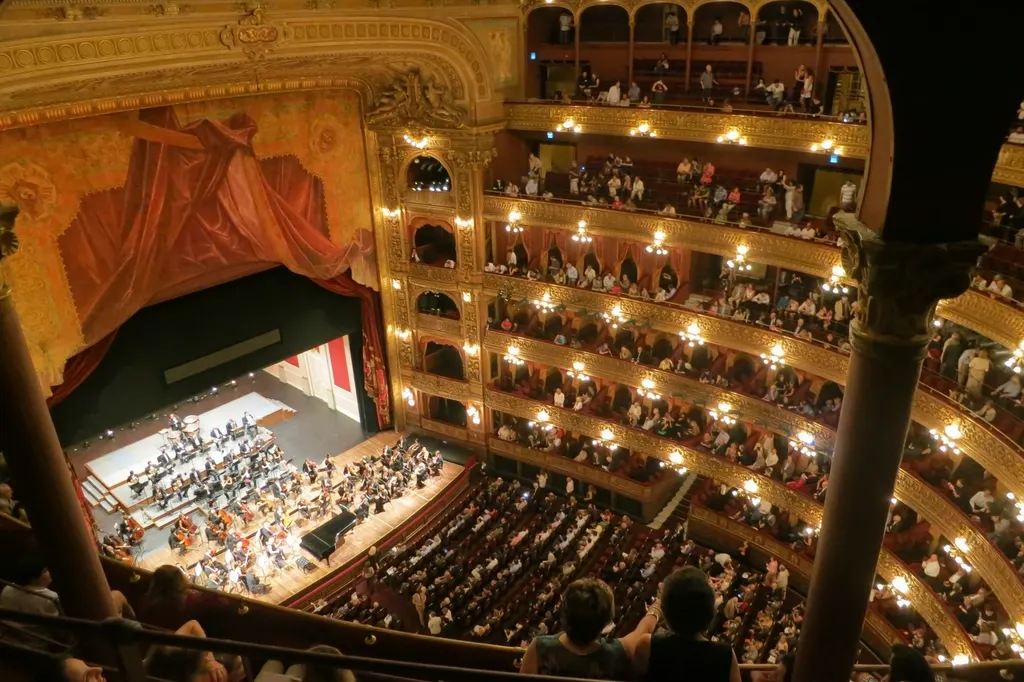
Buenos Aires in November has an emerging energy. The cooler winter months see people retreating indoors more often, but as temperatures climb and the days lengthen, the streets take on a different character. Outdoor tables fill at cafés, parks become populated again, and the pace of the city quickens noticeably. This is not the peak of the tourist season, so you will find some popular restaurants and attractions more accessible than they would be in December or January.
National Sovereignty Day falls on November 23. This is a public holiday in Argentina, commemorating a significant date in the nation's history. Government offices and some businesses close for the day. For a visitor, this means certain services and administrative buildings may be inaccessible, but it also presents an opportunity to observe or participate in local commemorations if you are in the city on that date. Plan accordingly by checking opening hours in advance for any specific sites you intend to visit.
The combination of longer daylight, warming weather, and moderately high humidity creates a climate that encourages spending time outside. Afternoon rain is possible, so building some flexibility into your schedule makes sense. The evenings are comfortable enough for walks or outdoor dining without needing heavy layers.
What to See
La Bombonera is the home stadium of Boca Juniors, one of Argentina's most storied football clubs. Even if you are not catching a match, the surrounding La Boca neighbourhood has a distinctive character with its painted buildings and street artists. November's pleasant evenings make it a good time to explore the area after the heat of the day has passed.
The Colón Theater is an opera house opened in 1908 and holds a prominent place among performance venues in Latin America. Its season typically runs through the latter part of the year, so November is a reasonable window for catching a performance. The building itself is worth seeing even without a ticket, though you will want to confirm whether guided tours are available during your visit.
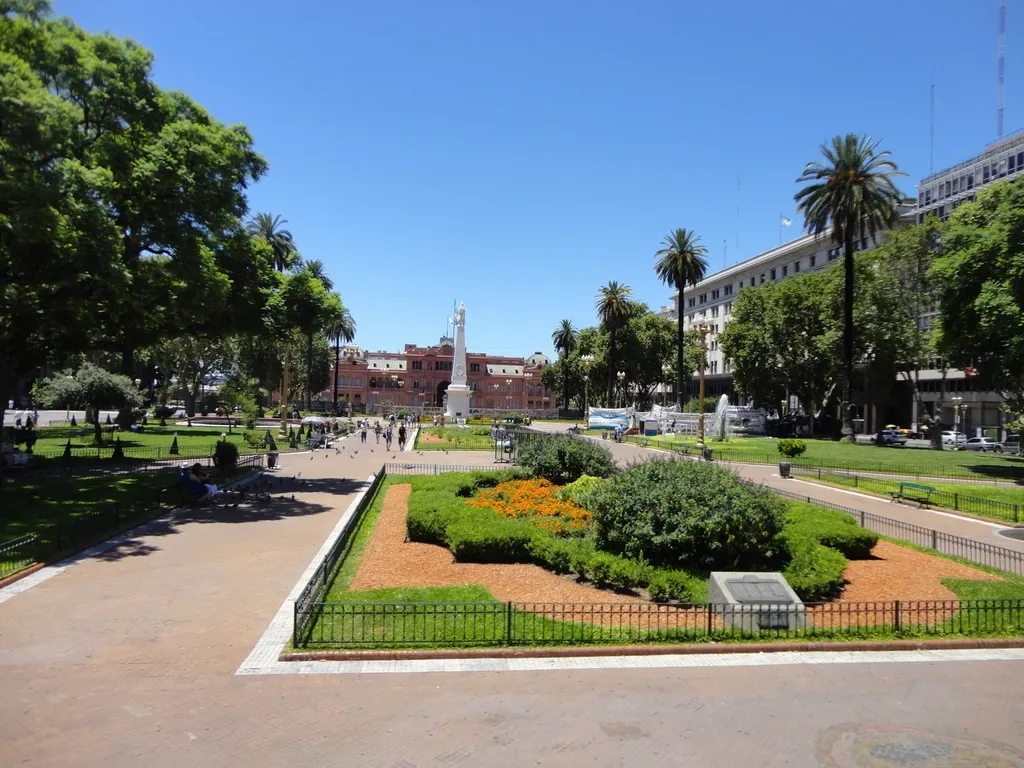
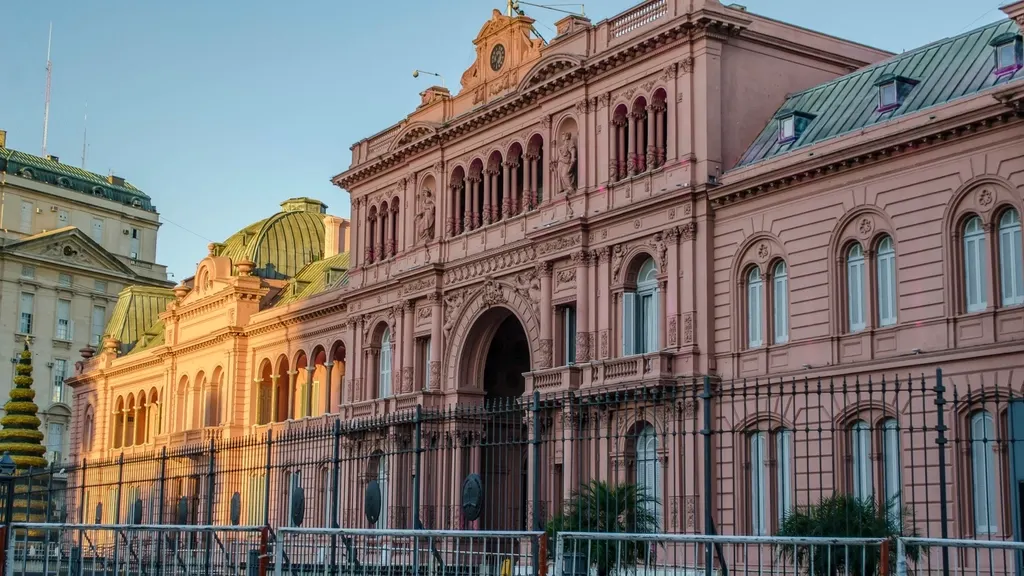
Casa Rosada is the presidential palace and a historic building of public administration opened in 1898. Its distinctive pink facade is recognizable across the Plaza de Mayo. November's longer days mean you can approach the building in daylight and take in the square and surrounding architecture comfortably. The building's role in Argentine history makes it a meaningful stop for visitors interested in the country's political past.
How to Plan the Days
With 13.8 hours of daylight and temperatures climbing into the mid-20s, November rewards early starts. Mornings tend to be cooler and less humid, making them well suited for outdoor sightseeing or walks through neighbourhoods like San Telmo or Recoleta. By early afternoon, the temperature and humidity both peak, which is when you might seek out air-conditioned museums, shopping arcades, or a long lunch indoors.
Evenings are warm without being uncomfortable, suitable for outdoor dining or a stroll along Puerto Madero. The flip side is the possibility of afternoon rain, so carrying a light layer and keeping an eye on the sky will help you adjust without disrupting your plans entirely. Indoor venues like the Colón Theater or the various cultural centres provide natural alternatives when the weather shifts.
The pace of the city picks up in November compared to winter, but it has not yet reached the frantic speed of December. You can move through major attractions with less crowding than you would face later in the season. Building in rest periods during the hottest part of the day and keeping your schedule loosely structured will serve you well.
Practical Notes
The local currency is the Argentine convertible peso. Credit cards are widely accepted in the city, but carrying some cash for smaller purchases, markets, and tips is sensible. Exchange rates fluctuate, so check the current situation before you depart.
Spanish is the official language. In tourist areas of Buenos Aires, some English is spoken, particularly in hotels and upscale restaurants, but knowing a few basic phrases in Spanish will improve your interactions and is generally appreciated.
For daytime temperatures of 24 degrees Celsius, light layers work well. Think breathable fabrics, short sleeves or light shirts, and comfortable walking shoes. Bring a light jacket or sweater for evenings when the temperature drops to around 17 degrees. A small foldable rain layer is useful given the month's rainfall. Sunglasses and sun protection are advisable during the longer, brighter days.
What to pack
- Light layers that work for 17 to 24 degrees Celsius
- A light jacket or cardigan for cooler evenings
- Comfortable walking shoes for city exploration
- A compact rain layer or umbrella for afternoon showers
- Breathable fabrics to manage 71 percent humidity
Questions
Is November a good time for outdoor sightseeing in Buenos Aires?
Yes. With 13.8 hours of daylight, highs of 24 degrees Celsius, and the city fully into its outdoor rhythm, November suits walking tours, park visits, and neighbourhood exploration. Afternoon rain is possible, so building flexibility helps.
Will National Sovereignty Day on November 23 affect my visit?
Some government offices and associated services close for the day. Major tourist attractions typically remain open, but it is worth confirming hours in advance. The holiday also means streets may be busier with local events.
What should I wear for the weather in Buenos Aires during November?
Plan for warm to mild conditions. Light layers for the day, a jacket for evenings around 17 degrees, and a rain layer given the month's rainfall. Breathable fabrics will help with the humidity.