Copenhagen in November
16 October 2026, 3 min read
November is a quiet month in Copenhagen, suited to visitors who want to see the city without crowds and don't mind cool, damp weather. It works well for culture-focused travelers who plan indoor and outdoor time around the short days.
The Weather in November
November brings a high of 9°C (48°F) and a low of 6°C (43°F) to Copenhagen. This is considerably cooler than the summer peak of 22°C (72°F) in July and August, and milder than the winter low of 4°C (39°F) in January and February. You will feel the chill, especially in the evenings, but it is not extreme by northern European standards.
Rainfall measures 46mm and humidity sits at 92%, making the air feel damp and penetrating. Daylight lasts 7.9 hours, well down from the summer peak. Mornings will be dark and afternoons fade early, which changes how you schedule your days. You will find yourself planning evening activities around early sunsets.
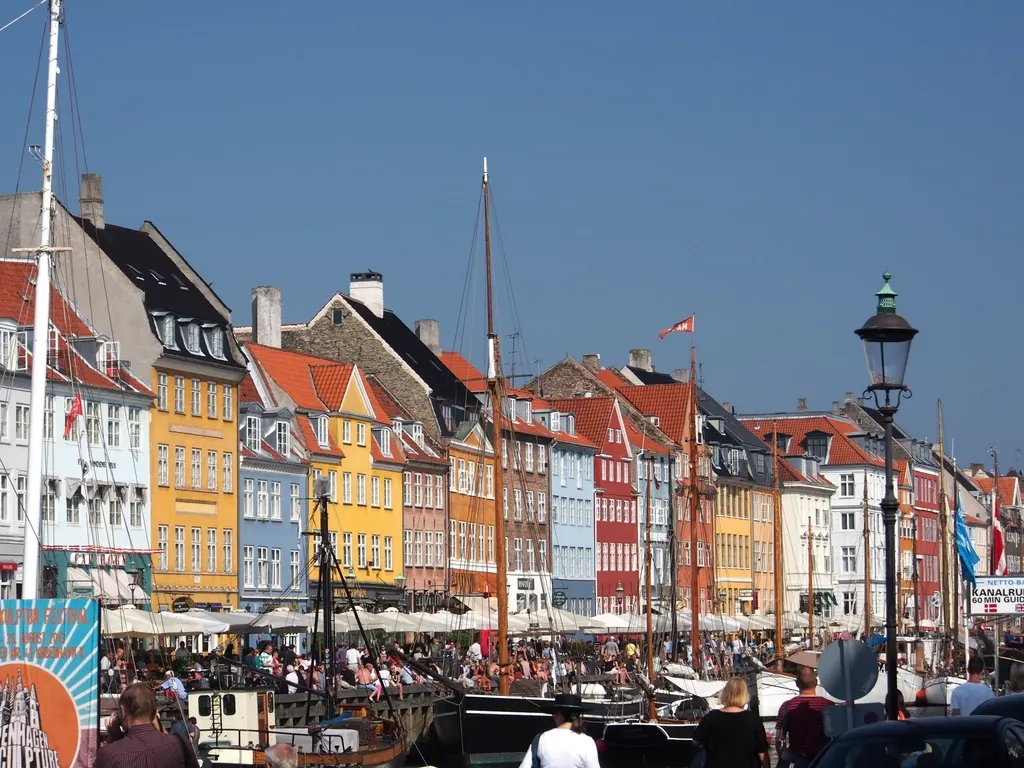
What the Month Feels Like
The reduced daylight changes how the city operates. Morning starts late in the dark and afternoon ends early. This shifts how you will plan sightseeing, with most activity concentrated in the middle of the day. The city feels more subdued than in peak season, with locals going about their daily routines.
November falls outside the main tourist season, so you can expect quieter streets and easier access to major sites. There are no public holidays listed for November in Denmark, which means attractions operate on their normal schedules, though some may have reduced winter hours. Check individual venues before visiting.
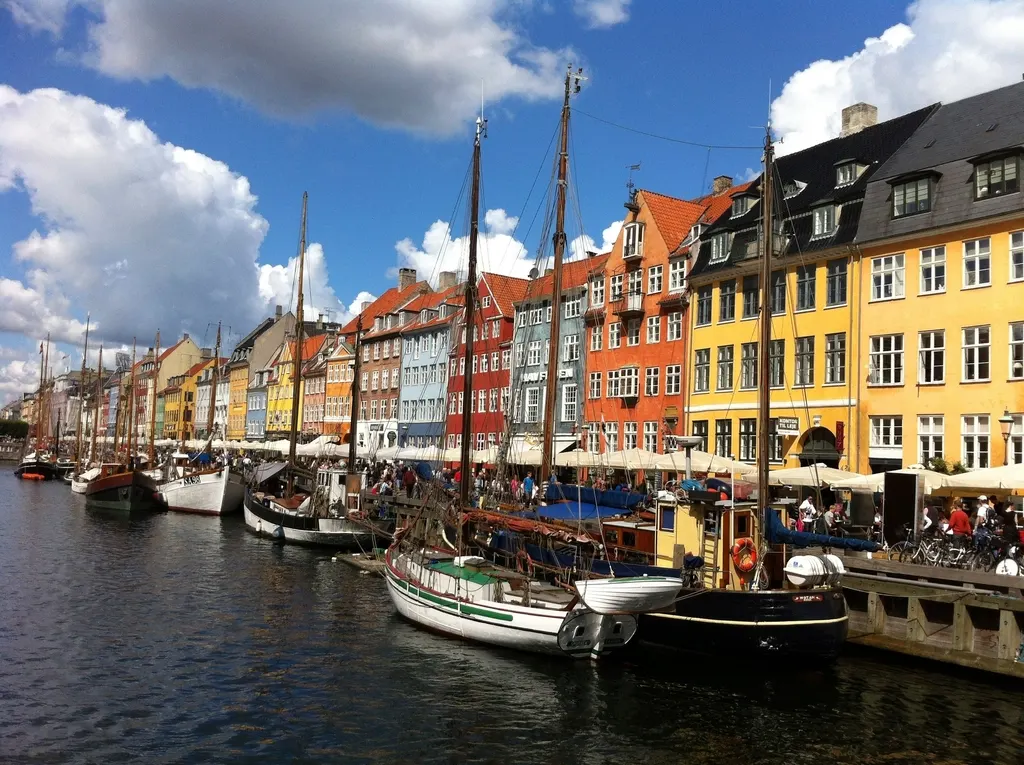
What to See
Tivoli Gardens opened in 1843 as an amusement park. Some rides and outdoor areas close for winter, but the gardens remain open and take on a different character in November, with seasonal lighting and fewer visitors than summer. The cooler air and empty paths give the park an intimate atmosphere quite different from summer crowds.
Christiansborg Palace was built in 1740. It houses the Danish parliament and serves as the seat of parliament. Rosenborg Castle, built in 1606, displays the Danish crown jewels and gives a sense of the country's royal history. Both palaces offer indoor warmth after cold outdoor walks.
The National Museum of Denmark opened in 1849 as a museum of culture covering Danish history from the Stone Age through modern times. The Statens Museum for Kunst opened in 1896 as the national gallery and holds Danish and international artworks. Ny Carlsberg Glyptotek opened in 1882 and focuses on sculpture and antiquities, with a winter garden that provides a warm retreat.
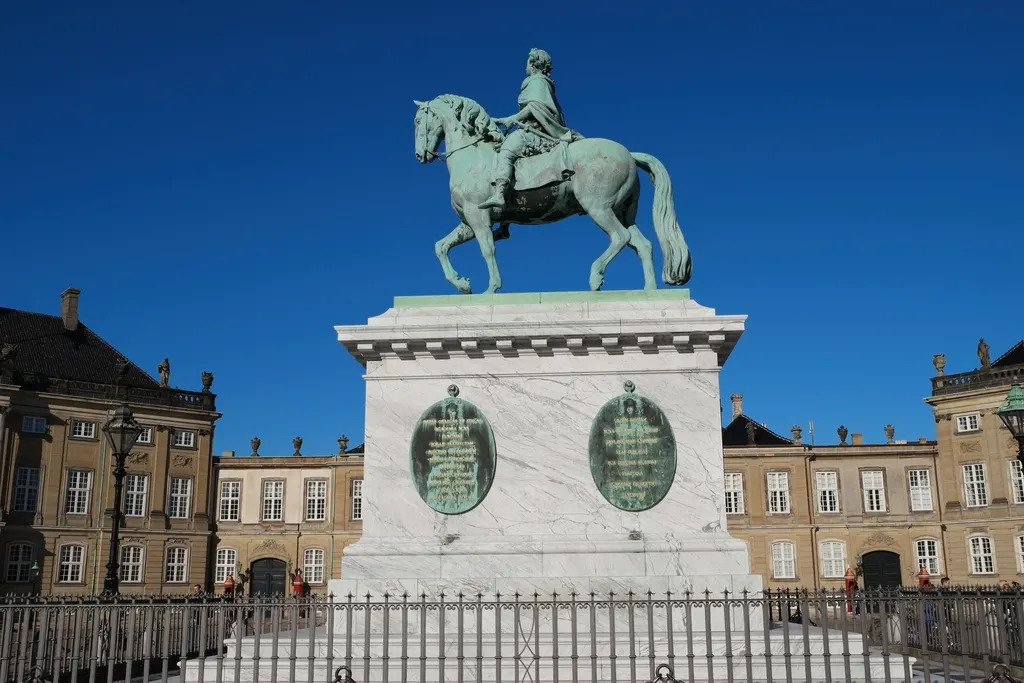
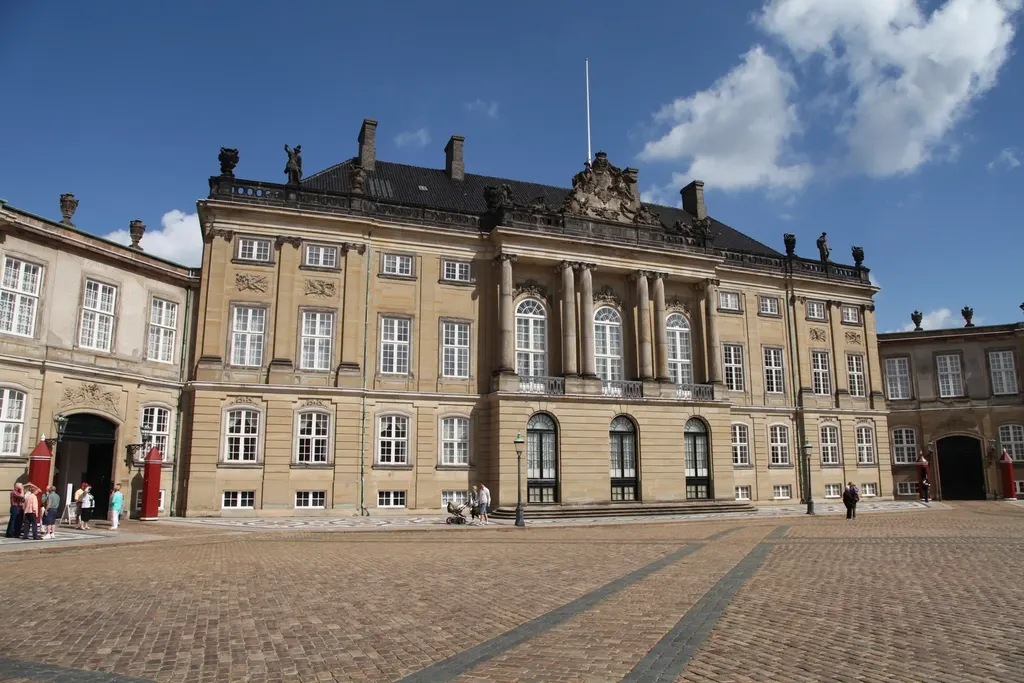
Amalienborg was built in 1760 and serves as the winter residence of the Danish royal family. You can watch the changing of the guard here on schedule, a free spectacle that works in any weather. Børsen was built in 1640 and is a historic building now used as an office building, notable for its distinctive spire.
Planning Your Days
With only 7.9 hours of daylight, you will need to make the most of the middle of the day. Start with an early breakfast and save indoor attractions for the darker morning and evening hours. Save outdoor sightseeing, including palace exteriors and city walks, for the brightest part of the afternoon.
The high humidity and rain mean you will want to plan for wet conditions underfoot. Layer your clothing so you can adjust as you move between heated indoor spaces and the cool, damp air outside. Waterproof outer layers are useful. Allow for slower travel in wet weather and build in time to dry off between sights. Museums and galleries work well as refuges from the weather.
Practical Notes
The currency in Denmark is the Danish krone. The language spoken is Danish. Most people in Copenhagen speak English well, but knowing a few Danish phrases is useful.
For November temperatures of 6°C to 9°C (43°F to 48°F), pack a warm coat, layers, waterproof shoes, and a scarf or hat. The damp air cuts through lighter clothing, so bring enough warmth for standing outdoors in cool, wet conditions. Gloves are useful for mornings and evenings.
What to pack
- A waterproof coat or shell for rain and wind
- Layers including warm sweaters that work indoors and out
- Waterproof shoes or boots with good grip
- A scarf and light gloves for cool mornings and evenings
- A small umbrella or rain hat for brief showers
Questions
Is November a good time to visit Copenhagen?
November is quiet and cool. It suits visitors who prioritize fewer crowds and don't mind damp weather and short days.
How cold is Copenhagen in November?
Daytime highs are around 9°C (48°F) and lows around 6°C (43°F). It feels colder in wind and rain.
What should I pack for Copenhagen in November?
Pack a warm coat, layers, waterproof shoes, and accessories like a scarf and gloves for cool, damp conditions.