Stockholm in November
16 October 2026, 4 min read
November works well for culture-seekers who do not mind rain and limited daylight. It suits visitors who prioritise museums and food over outdoor sightseeing.
The Weather
November in Stockholm brings a high of 6 degrees Celsius (43 degrees Fahrenheit) and a low of 1 degree Celsius (34 degrees Fahrenheit). This represents a steep drop from the summer peak of 23 degrees Celsius (73 degrees Fahrenheit) in July and sits well below the mildest shoulder months. Rainfall measures around 61 millimetres across the month, with humidity at 95 percent. The city receives approximately 7.2 hours of daylight. The coldest months are January at 2 degrees Celsius (36 degrees Fahrenheit) and December at 3 degrees Celsius (37 degrees Fahrenheit), so November sits just above the annual low.
The combination of cold, damp air and short days creates a particular atmosphere. Fog can settle over the waterways in the early morning, clearing slowly if at all. Streets remain damp throughout the day even when rain is not actively falling. Layered clothing performs better than a single heavy coat, as heated interiors can feel stifling after time outside.
Snow is possible but not guaranteed in November. More likely is sleet or wet slush underfoot, particularly near the waterfront areas and older stone streets of Gamla Stan.
The City This Month
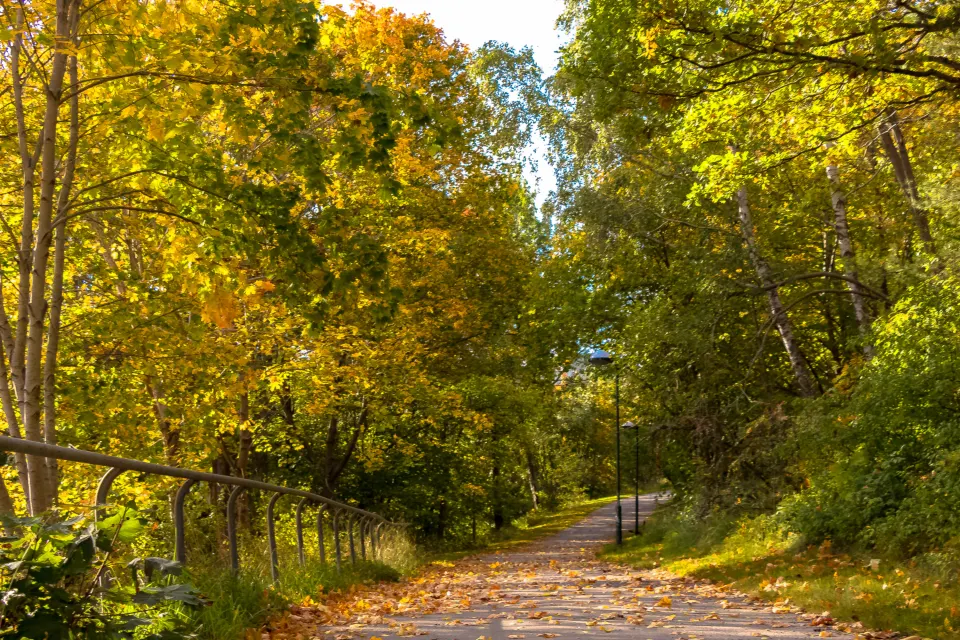
Daylight defines how the city feels. By mid-morning, the sun rises if it is not overcast, then sets again by mid-afternoon. This compressed schedule changes daily routines. Cafes and restaurants extend their evening hours with artificial lighting, creating pockets of warmth along the darker streets. The city does not shut down for the season, but the pace slows compared with the longer days of spring and summer.
There are no listed public holidays in November that would close services or create sudden crowd spikes. This means attractions operate on their standard winter schedules, which tend toward reduced evening hours. The shoulder season between tourism peak and true winter means fewer visitors at major sites. Wait times at popular museums are shorter than in July or August.
The rain and limited light affect mood as much as logistics. Stockholmers tend toward quiet practicality during this period, which can feel reserved but is simply the local approach to the season. Indoor culture thrives in November, with performances, gallery openings, and restaurant openings continuing as normal.
What to See
The Vasa Museum opened in 1990 and houses a warship recovered from Stockholm harbour after more than 300 years. November suits visits to this museum because the limited daylight makes extended outdoor exploration difficult, and the ship rewards several hours of unhurried viewing. The vessel fills multiple floors and is among the most complete examples of early 17th-century naval engineering in existence.
The Nobel Prize Museum opened in 2001 and traces the history of the prize through interactive displays and archival material. The smaller scale compared with national museums makes it manageable in a single visit. This museum suits November because it occupies a central location in Gamla Stan, allowing a walk through the old town before or after. The afternoon darkness outside contrasts with the warm interior lighting inside.
Storkyrkan dates from 1300 and serves as the main church of Stockholm. Its position in the royal district makes it a logical stopping point on a walking route. The stone interior provides relief from rain and cold between outside stops. Skansen opened in 1891 and functions as an open-air museum with historic buildings and zoo enclosures. November requires checking animal availability in advance, as some outdoor exhibits reduce hours in cold weather. The Swedish Museum of Natural History opened in 1819 offers a climate-controlled alternative when the weather turns particularly wet.

Planning Your Days
Mornings require patience. Full daylight does not arrive until mid-morning at the earliest, and overcast skies can keep the city dim until noon. Schedule outdoor photography and waterfront walks for the middle of the day when light is strongest. Even with the low sun angle, midday can feel surprisingly bright if skies clear.
Evenings arrive early and completely. Plan indoor activities for the late afternoon onward, accepting that you will spend most of the dark hours in artificial light. This suits the city's restaurant and theatre scene. A dinner reservation scheduled for the later part of the evening will find the city fully dark and the streets quiet outside.
Rain makes outdoor sightseeing uncomfortable but not impossible. Waterproof boots perform better than standard shoes on wet cobblestones. Keep a dry layer in your bag when touring outside. Indoor venues such as the Royal Swedish Academy of Sciences, founded in 1739, or the Nordic Museum, opened in 1873, serve as emergency shelters when rain intensifies. The Stockholm City Hall, opened in 1923, offers guided tours that fill indoor time productively.
Practical Notes
The local currency is the Swedish krona. Card payments are widely accepted throughout the city, including at most small vendors and public transport. Notify your bank before travelling to prevent card blocks, which are common when Scandinavian cards detect unfamiliar patterns.
Swedish is the official language. English is spoken fluently in hotels, restaurants, museums, and shops. Menus and signage typically appear in both Swedish and English. Asking in English will rarely cause communication problems.
Temperatures between 1 and 6 degrees Celsius (34 and 43 degrees Fahrenheit) demand a warm coat, preferably water-resistant. Gloves, a scarf, and a hat are necessary for extended outdoor time. Layered clothing allows adjustment between heated interiors and cold streets. The 95 percent humidity means cold feels damp rather than dry. Waterproof outer layers perform better than wool or cotton in sustained damp conditions.
What to pack
- Waterproof boots with good grip for wet cobblestones and damp grass
- A warm, water-resistant coat that covers the thighs
- Thin thermal layers to add or remove as indoor heat varies
- Gloves and a hat that covers the ears
- A small waterproof bag or rain cover for your main bag
Questions
Is Stockholm too cold to visit in November?
Temperatures range from 1 to 6 degrees Celsius, which is cold but manageable with proper clothing. The main challenges are limited daylight and rain rather than temperature alone.
Are tourist attractions open in November?
Most major museums and cultural sites operate on winter schedules, typically with reduced evening hours. Crowds are generally lighter than in summer months.
What should I wear in Stockholm in November?
Layered, water-resistant clothing is essential. A warm coat, waterproof boots, gloves, and a hat will handle the combination of cold, damp air and short days.